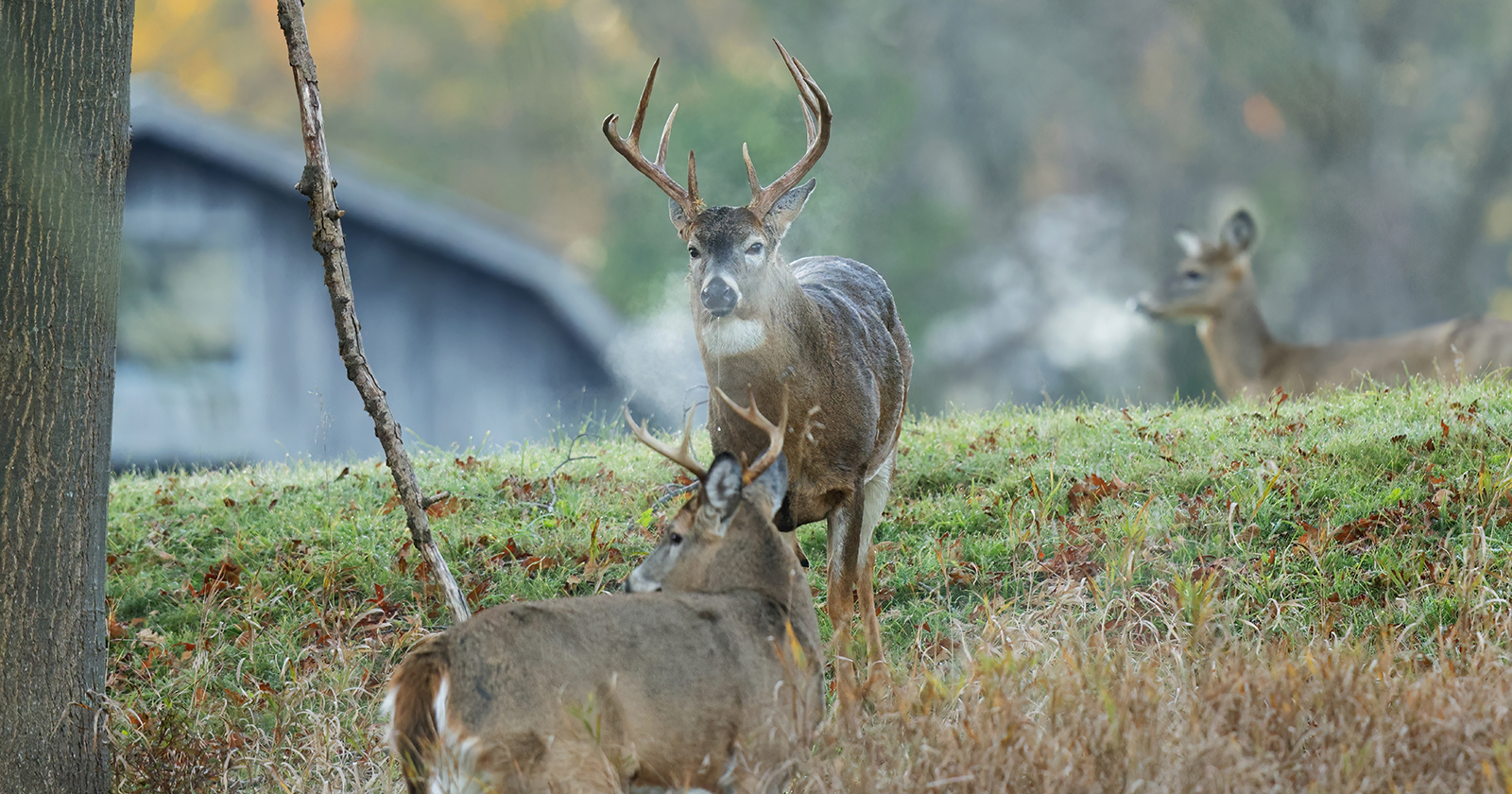
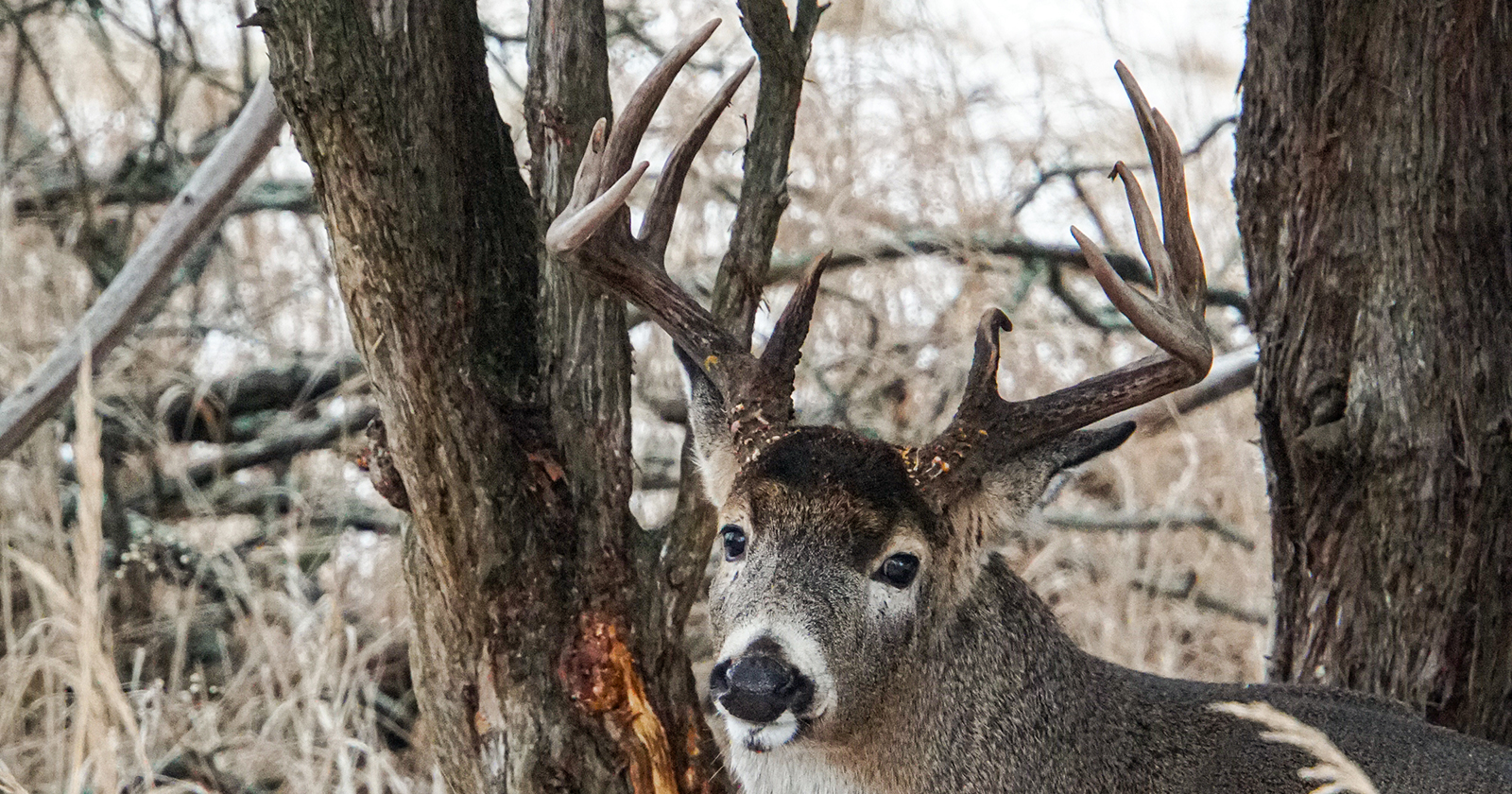
Know what to expect this season. Deer Northwest Region (NWR) Last winter brought mild to severe conditions across the core range, while more northern and peripheral areas experienced severe conditions. The result was believed to have a variable impact on deer abundance. Deer in the southwestern portion of the region (near Fort Frances and Kenora) likely had low winter-related mortality. Conversely, populations around Dryden and Thunder Bay experienced severe winters and are assumed to have had higher winter-related mortality. Population trends In NWR’s core range (WMUs 5, 6, 7A, 7B, 9A, 9B, 10, 11A, and 13), populations remain below peak levels seen 14 to 23 years ago. In the northern portion of the region, outside of the core range, numbers remain at naturally low levels due to the normal severity of winters there. A series of consecutive severe winters are thought to have contributed to population declines in areas that experienced them. Other factors such as deer harvest, growing and/or cold degree days, and wolf abundance also may also have contributed to declines in some WMUs. Additional deer tags (ADT) for antlerless deer, and higher antlerless tag (AT) quotas also contributed further to reducing numbers. Both are typically implemented to shift a population towards the WMU-specific population management objective WMU 8 was the exception. Its deer population is estimated to be at the upper limit of its population objective range (POR). MNR deer management efforts in the core NWR deer range are focused on improving deer abundance where populations are below the lower limit of their respective POR, such as WMUs 5, 6, 7A, 7B, 9A, 9B, 10, 11A, 13. Tags Antlerless tags: 3,380 Up 325 from last year Increases in WMUs 8, 11B, 12B, 13, and 15B. Unchanged in all other NWR WMUs. Additional tags 750 (the same as last year) WMU-specific ADT are available in NWR WMUs 8, 11B, 12A, and 12B. Geographically-restricted WMU-specific ADT are available in WMU 7B (75 ADT for use only in portions of the City of Kenora for a bows-only deer hunt), WMU 8 (50 ADT for use only in a portion of the City of Dryden for use in Firearm Discharge Zone 2), and WMU 13 (175 ADT for use only in a portion of the City of Thunder Bay for a bows-only deer hunt). Northeast Region (NER) Last winter was among the most severe in the past 20 years across the