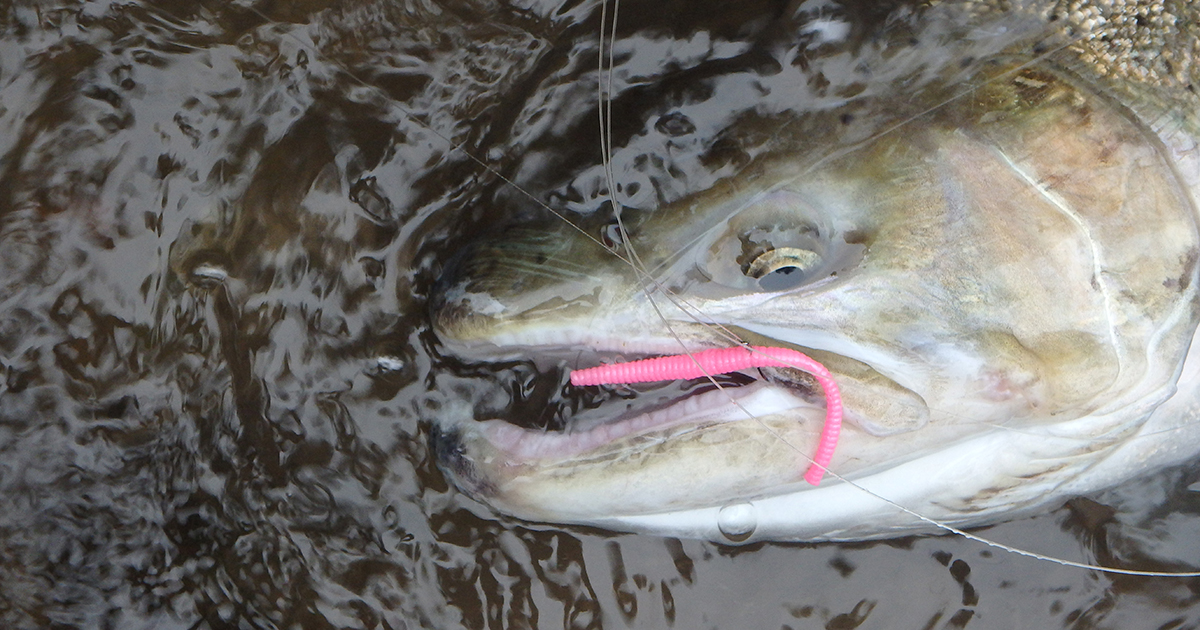
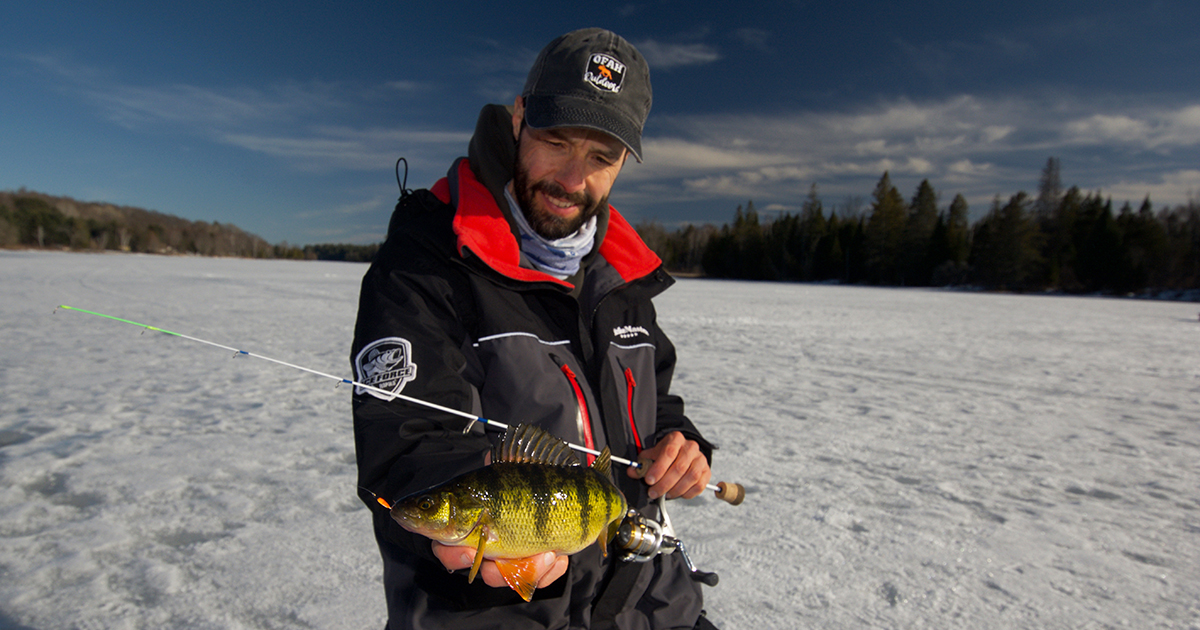
For those seeking a winter bass fix, roughly half of Ontario’s 20 Fisheries Management Zones (FMZs) offer an open season when lakes are frozen. The northern parts of the province offer the best chance for an ice bass adventure. Living in northwestern Ontario, a year-round open season for bass is all I’ve ever known, and catching them through the ice is nearly routine. They’re typically an incidental catch while targeting walleye, but with planning and effort, bass can be successfully caught through the ice. Locations Smallmouth tend to winter in the deeper basins of the lake. Begin your search on reefs, humps, and prominent points that are surrounded by deep water. Humps (aka sunken islands) can offer the ultimate wintering habitat for smallmouth. Not all humps are created equal, however. The best ones have large, complex tops featuring different-sized rocks, from boulders to gravel. Humps with their shallowest features between 10 to 20 feet, before dropping away to the basin offer bass the ideal winter habitat. A run-and-gun approach when chasing ice bass is a big key to success. If you’re not catching fish, keep moving and trying different spots. Paying close attention to your electronics is another important facet. Bass typically cruise around structure a few feet off bottom. If you’re not marking fish, keep moving. Change depths, change holes, and ultimately change locations altogether until you find bass. FMZ 11: Jan 1 to third Saturday in March and third Saturday in May to Dec 31 FMZ 20: Jan 1 to May 10 and first Saturday in July to Dec 31 Check the Fishing Regulations Summary before heading out. How deep In general, 20 to 30 feet of water is the go-to depth. Although bass frequent water deeper than 30 feet in winter, pulling them up from deeper can result in barotrauma and ultimately dead fish. Keep moving Ice fishing for bass is not a wait ‘em out game. Smallmouth school up in the wintertime and locating structure that’s holding fish will produce results. Lures for active fish Once located, smallmouth are typically willing biters. When fish are active, I like to use Rapala’s Jigging Shad Rap, size 5. They dart around in the water when actively jigged, attracting cruising fish. Berkley’s 7-gram Vibrato fishes similarly, but creates more vibration when snapped up on the jigging stroke. Several small spoons are also must-haves. Lindy’s Rattlin’ Flyer Spoon, Northland Buck-shot Rattle