
If you’re a keen angler, you’ve probably noticed that fish growth, reproduction, and behaviours follow certain patterns. These patterns can be explained by a decades-old theory in evolutionary biology called life history theory. Why is this important? Because recognizing the patterns, you can catch more. Let’s get sciency.
The lives of fish seem simple: survive youth, mature, reproduce. Life history theory primarily focuses on major events like maturation and reproduction. If the timing, location, and other characteristics of these events follow a pattern, this is dubbed a life history type.
An example of a life history type might be: Female smallmouth bass spawn for the first time at approximately four years, produce an average of 10,000 eggs, and males guard nests for roughly five weeks.
Life history types don’t just vary by species. Smallmouth that mature in a large lake before spawning in rivers at approximately three years may be distinguished from smallmouth in the same lake that mature and spawn in said lake at approximately our years. Each life history type represents a long-term reproductive strategy that has proven effective for a certain species in a particular environment over time.
Life history variation is even more striking between species. Here are some long-term reproductive strategies of some familiar fish:
Despite the differences, these strategies all aim to maximize the return of offspring on lifelong energetic investment.
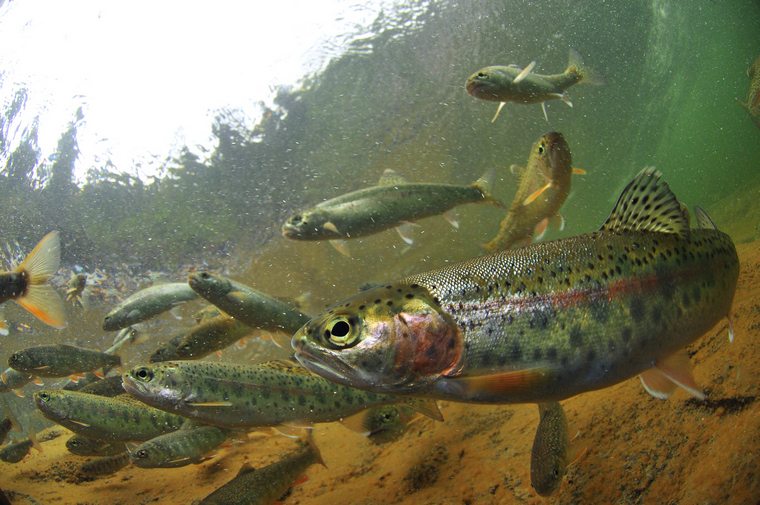
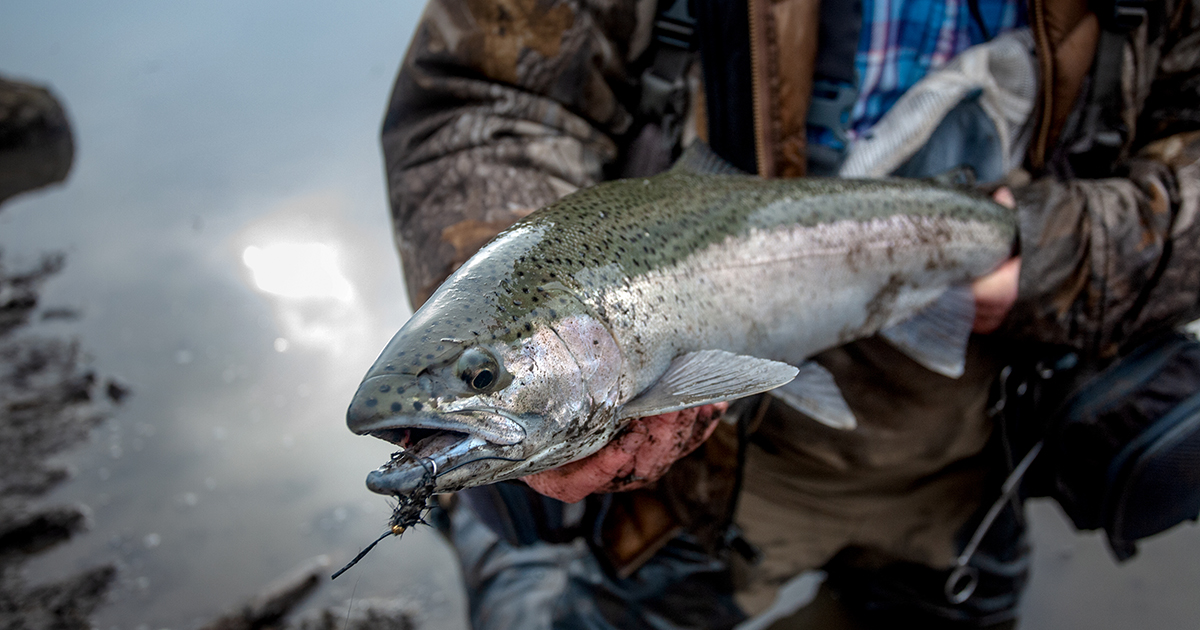
Oncorhynchus mykiss (AKA rainbow trout) has intriguing life history types. Many anglers are fixated on these fish and whether they should be called rainbow trout or steelhead. While science can’t really settle this debate, life history theory can reduce confusion.
Consider this: All rainbow trout and steelhead belong to one species (O. mykiss). Anadromous (fish that migrate from the ocean to spawn in freshwater streams) and resident are two major life history types of O. mykiss. This is further divisible by subtypes such as precocious parr, resident fish that mature at three years, fall- and spring-run steelhead. Progeny of anadromous O. mykiss may become residents, and progeny of residents may become anadromous — life history types are, to an extent, capable of being molded.
So, there are far more than two life history types in O. mykiss, and the lines between these are blurry. Sometimes, more information deepens a debate instead of settling it.
What does life history theory have to do with fishing? Anglers often intercept fish during vulnerable points in their life histories, such as feeding and spawning periods. These events —such as crappie congregating after ice-out, steelhead migrating in spring, muskellunge feeding heavily in fall — are well-documented and draw crowds. Anglers who grasp these life histories can anticipate patterns and stay ahead of the curve (or crowd).
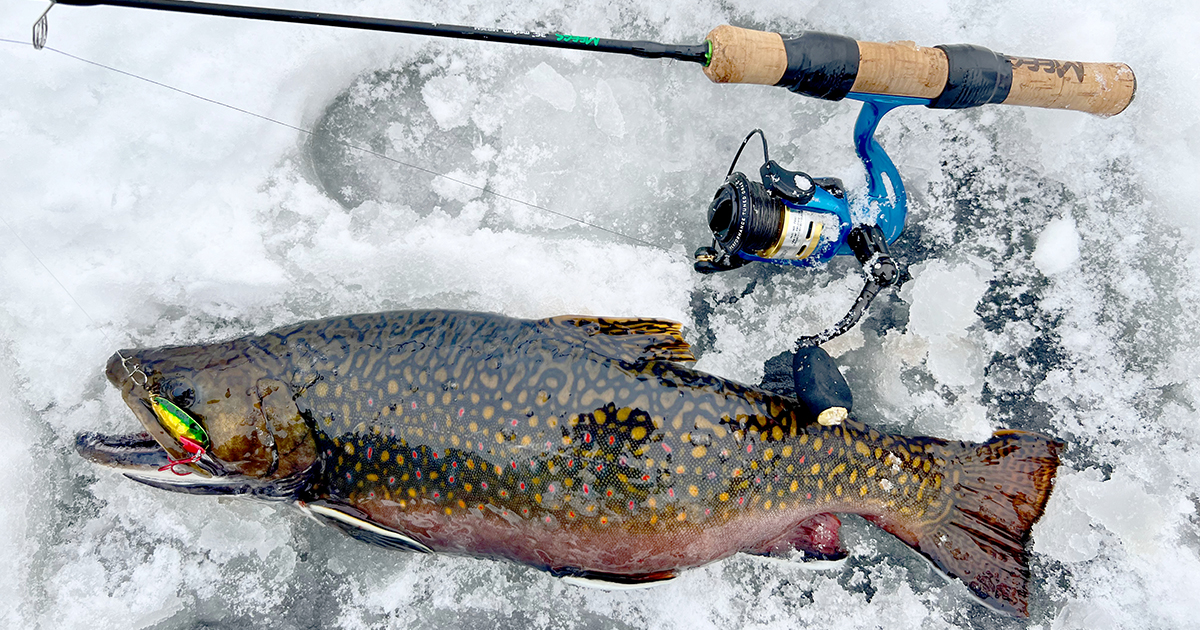
This mindset opens up considerations others may not be aware of. For example, I spent late May fishing for brook trout on a high-traffic lake. Other anglers were trolling and casting around main lake structures. Normally, these methods work, but that year, baitfish were scarce, and brook trout flocked to feeder streams to eat spawning dace. While many anglers stuck to ineffective methods, at least two (who considered the fish’s basic needs) caught brook trout to the point of boredom. Recognizing that spring feeding as preparation for fall spawning made all the difference.
Anglers who think about a fish’s basic needs rather than just fishing techniques can uncover opportunities others overlook. Life history theory can provide valuable insights into fish behavior, helping anglers adapt and be more successful.
Your home waters and the fish in it are unique. Start building fish life history types by keeping a journal. Make notes when activity is peaking or in a slump, water temperatures for each scenario and note fish locations on sonar. When you keep fish, check their stomach contents — not just for matching lures but also for building feeding patterns.
Originally published in Ontario OUT of DOORS’ Fishing Annual 2025