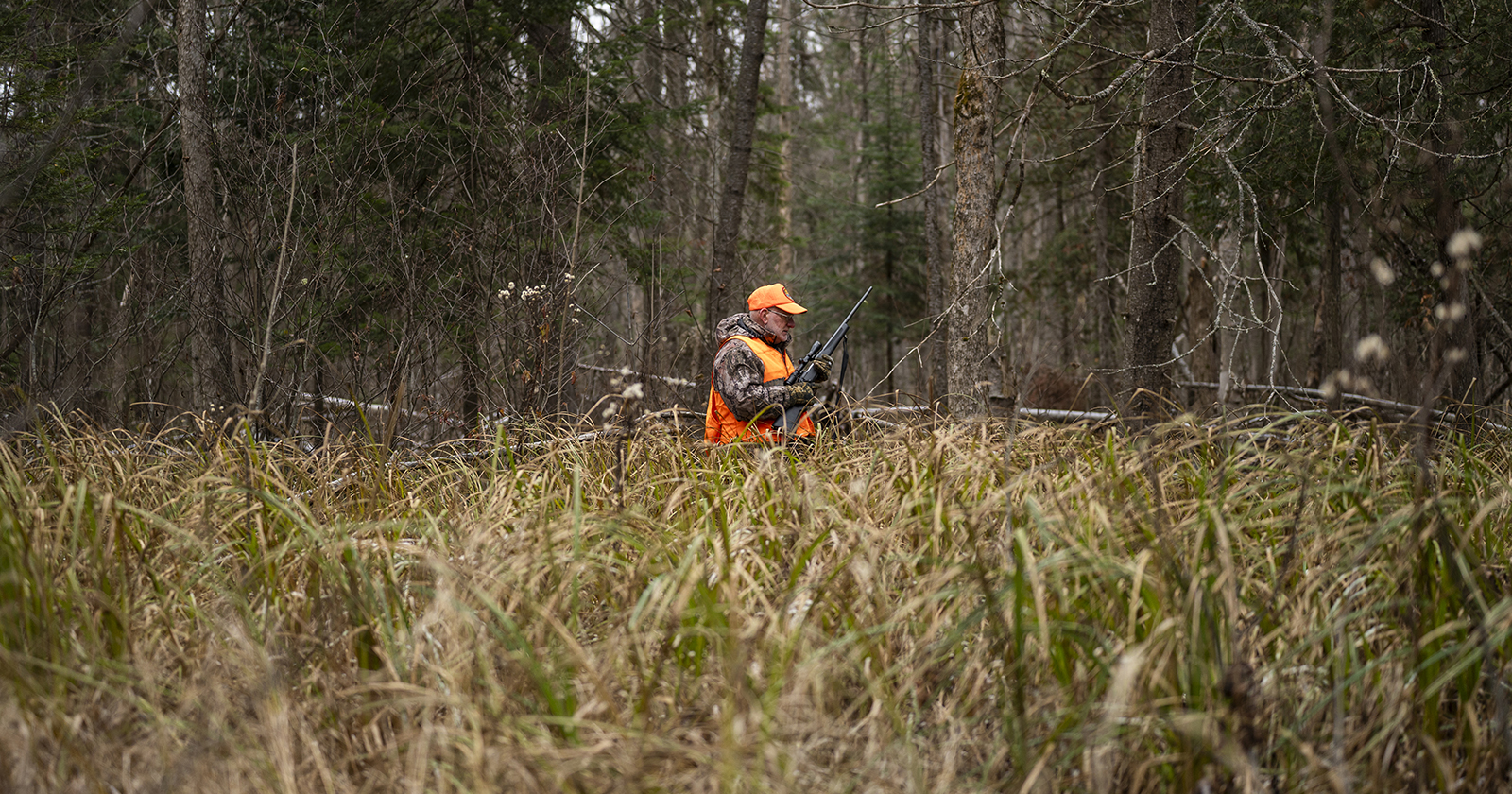
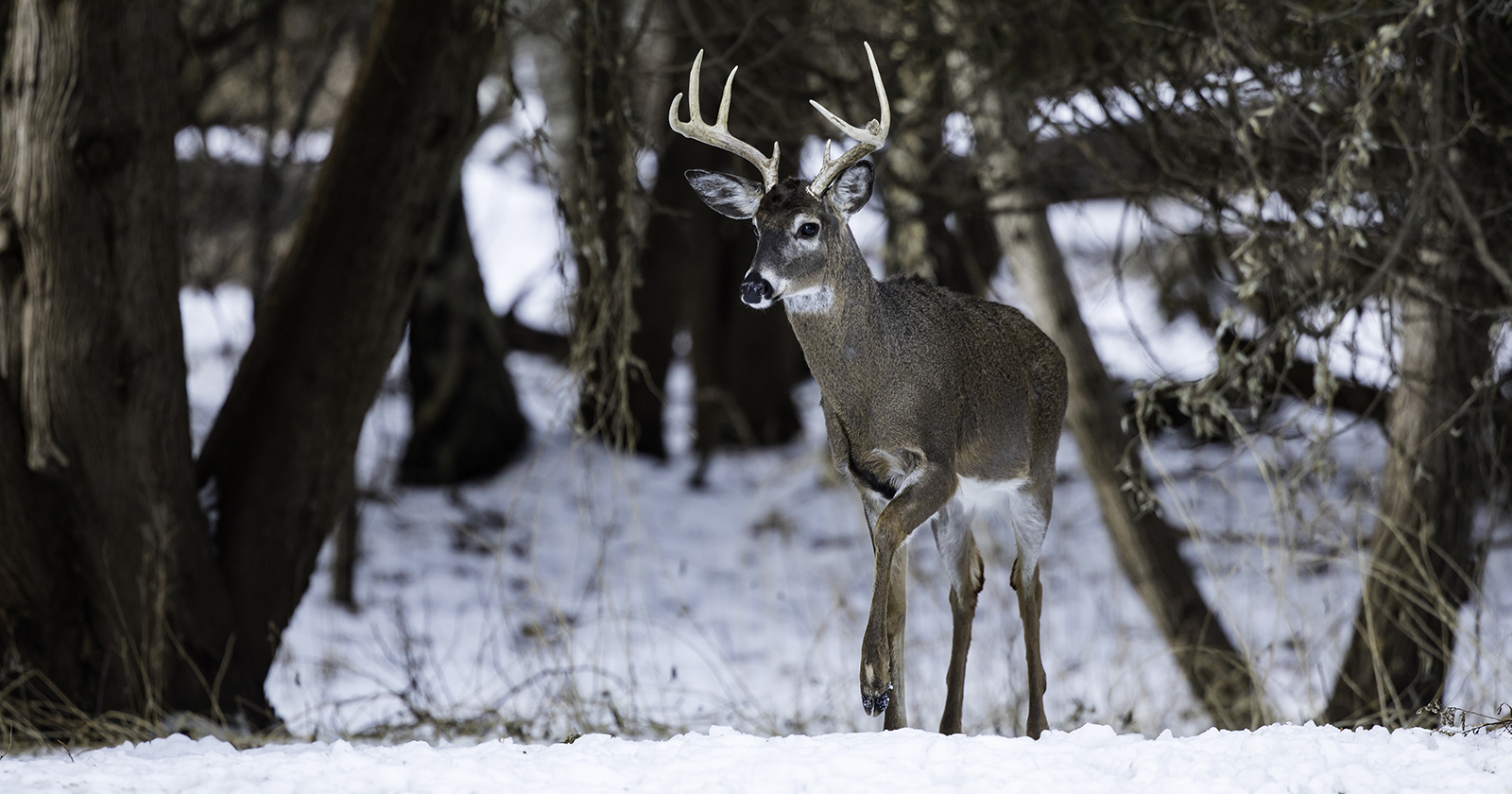
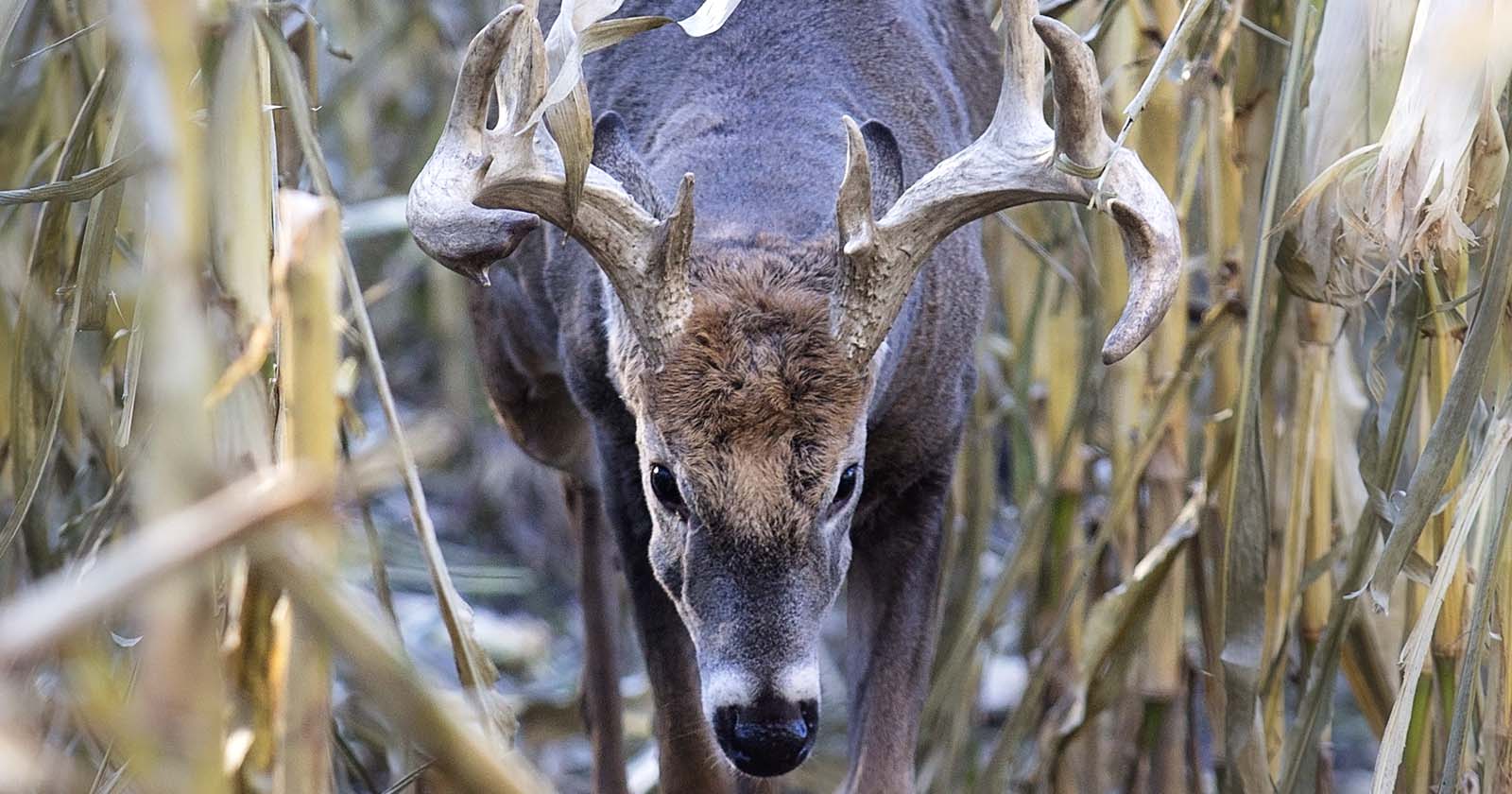
Once I graduated from shooting stumps and targets to live quarry, I relished every opportunity to take my bow into the field. Whitetail deer, of course, went straight to the top of my list. From the time I got my hunting licence well into my 30s, I believed that if you weren’t hunting whitetails from a tree stand, you weren’t really trying. Then, as life often does, it changed, and I found myself hunting in a new place in a new province. That experience gave me perspective and forever opened my mind to a whole new tactic. Follow along as I share my evolution as a bow hunter and highlight some significant benefits of incorporating ground hunting into your whitetail routine. A change in me Out of the blue, I had an opportunity to move to Alberta. I approached it as an adventure rather than a permanent change. As a result, the only outdoor equipment I brought with me were my shotgun, my bow, a robo duck, and the appropriate camo for hunting big game and waterfowl. I secured some hunting permissions close to home, and before long, I was deer hunting in Alberta. In the years leading up to the move, I had taken a couple of deer from the ground in Ontario. No blinds, just walking into a spot where I didn’t have a stand. I knew it could be done. Unsure if my move was permanent, I didn’t want to invest in tree stands. That meant hunting on the ground, so I broke from my usual routine and tried still hunting. It worked — I shot my biggest deer to date that first fall in Alberta. By the next fall, I was a little more settled in Alberta and brought out a couple of my stands. I reverted to my old ways, hunting whitetails from a tree. Unfortunately I passed on a few bucks, hoping to encounter a giant, but the result was a cold serving of tag soup. I distinctly remember setting up in a few new spots where I’d never hunted before and having good deer come by on my first sit. By the third time it happened, I no longer thought it was a coincidence; I believed that the mature bucks were on to my stand locations. I saw deer—lots of deer—during my first couple of years on stand, but the really big ones