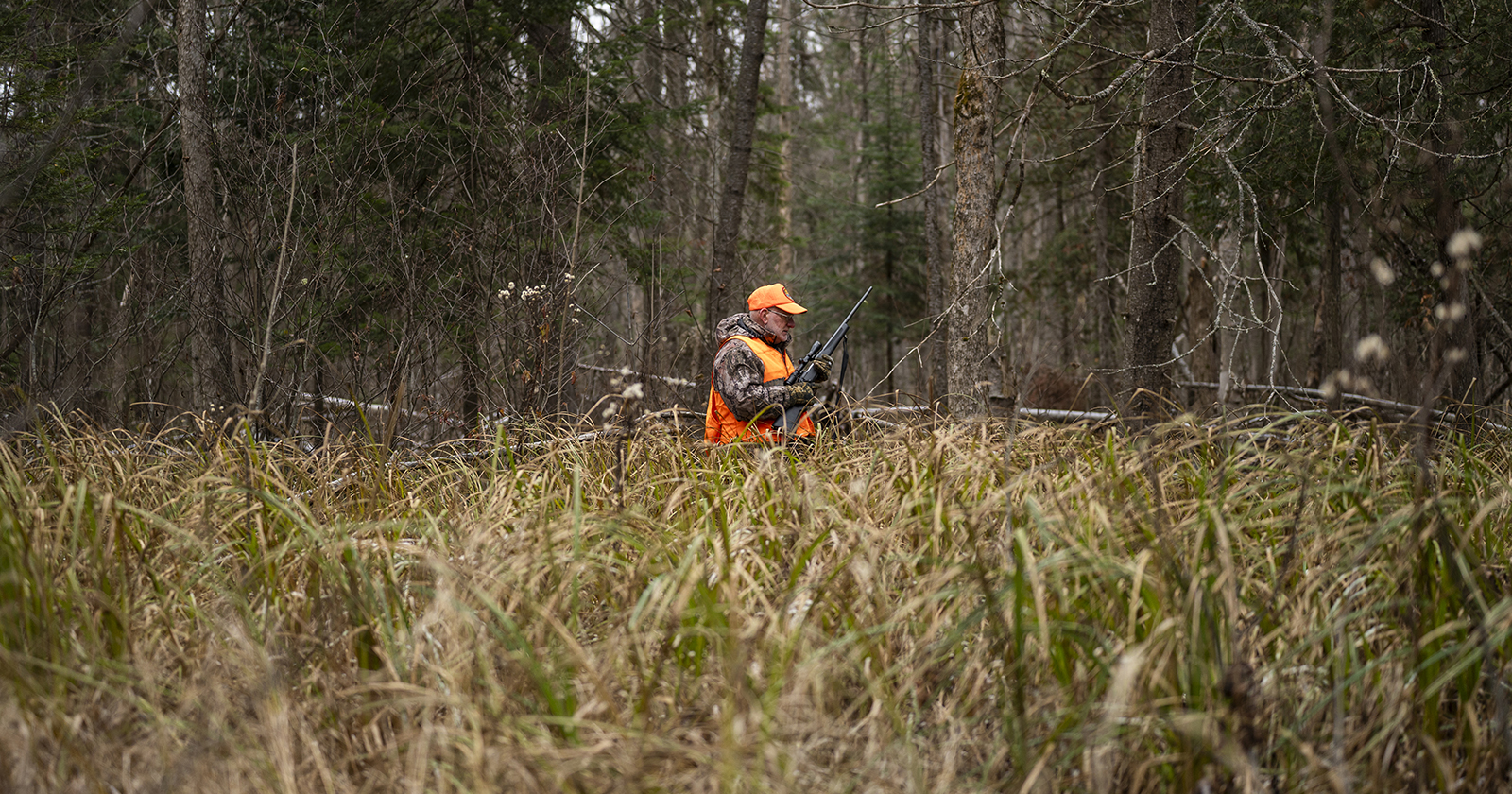
Q: Shotgun or muzzleloaders must be used during controlled deer hunts in populated southern parts of Ontario. Places where centerfire rifles could be risky due to their long range. Why, in the same areas, can a person legally hunt coyotes with a .25- 06 rifle. How does the ministry determine whether it is safe to use rifles or not?
Anthony Capuano, Tillsonburg
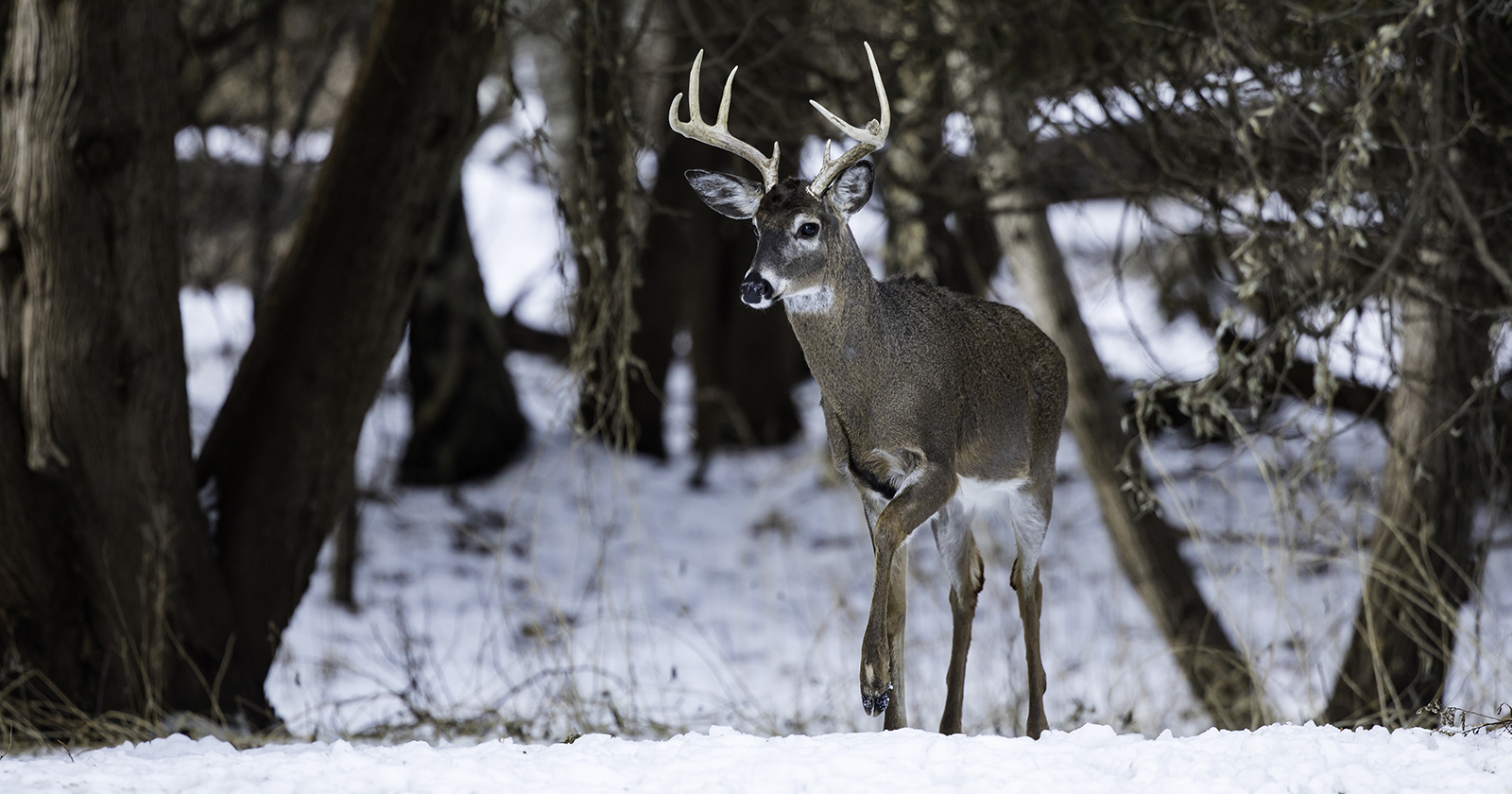
A: When controlled deer hunts were initially introduced in Ontario in the late 1970s and early 1980s, public and stakeholder feedback at the time helped the ministry make decisions about specific firearm types (e.g., shotgun and muzzle-loading guns) that would be allowed during the deer hunt. Those decisions balanced socio-economic and environmental considerations, including hunter and municipal requests. These gun restrictions for deer also help with deer population management. While deer populations have shown some fluctuations, Ontario’s current harvest management strategies have been successful at maintaining healthy deer populations while providing abundant and safe hunting opportunities.
Answer by: David Critchlow, Provincial Enforcement Specialist, MNR
Please check the most recent Ontario hunting and fishing regulations summaries, as rules and regulations can change
Send your questions by clicking here
Originally published in Ontario OUT of DOORS’ 2024-2025 Hunting Annual
For more hunting, click here
Click here for more outdoors news
Watch on-demand videos anytime on OFAH Stream