
I asked my friend Davis Viehbeck why so many hunters like us love our 28-gauge guns. He says he was so blown away at the efficiency of the round, and it’s all he uses for grouse hunting now. “I remember the first bird I got with it, a woodcock,” he said. “I was hunting over Birch, my eightmonth- old English setter. He was on point and the bird flushed. I shouldered the gun and shot and almost surprised myself when I hit it. I’ll never forget that bird.”
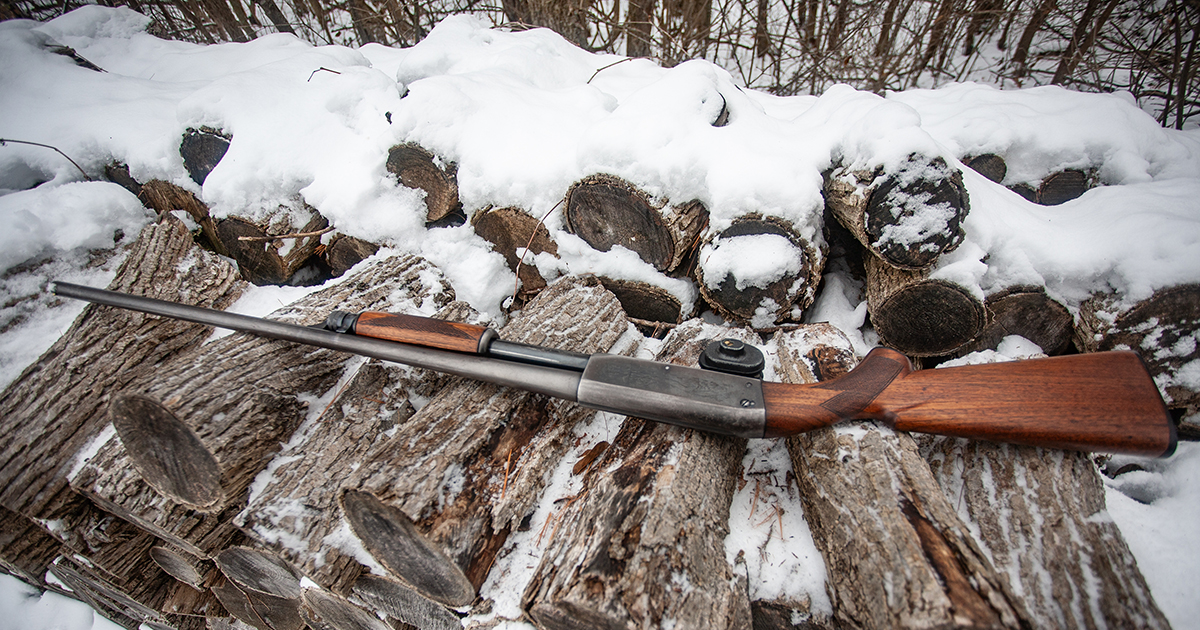
The 28 gauge is something I am growing increasingly fond of. While I generally hunt grouse with my .22, there are times I pick up my shotgun — like the early season when leafy cover is heavy, or after I’ve missed a couple birds with my .22 and want to turn things around. I shy away from larger-gauge shotguns for grouse and have found the 28 to be the perfect match.
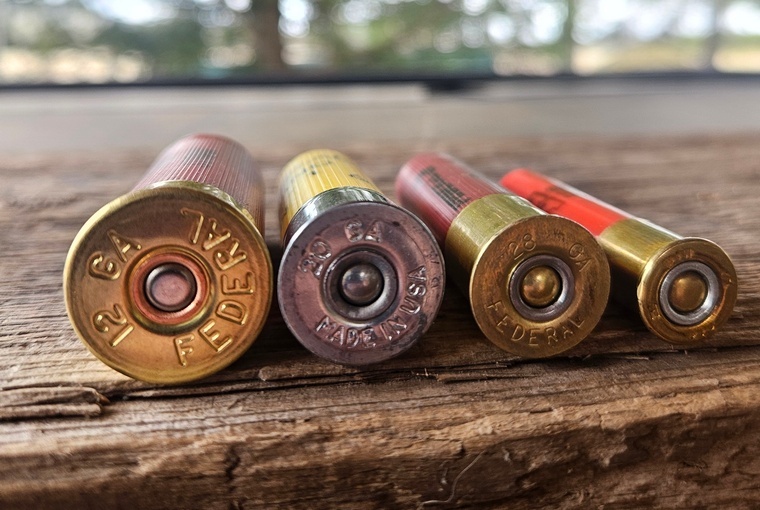
The 28 gauge checks a lot of boxes. Though popular, the .410 is limited in range and payload. Twelve and 20 gauges are popular for small game, but for some, this may seem a little overkill — whether shot volume or recoil related. The 28 offers a balanced compromise.
The 28 is appealing to youth, small statured shooters, or those wanting less recoil. It is also popular among many upland hunters since it’s light and comfortable to carry, is easy to get on target, and shoots like a dream. Most shooters will barely notice any recoil, and it carries nicely if you like to put miles on your boots.
The 28 has grown in popularity recently, and concerns about 28 shell availability seem to have become a thing of the past. With .410 ammo shortages, many shotgunners gravitated to the 28. “The 28 is here to stay. It was on the verge of being obsolete,” Adrian Hagar of D&R Sports in Thunder Bay said. “For years not many people heard of it, but now it is back in full force. We are well stocked in ammo, and don’t anticipate any shortages in the near future.”
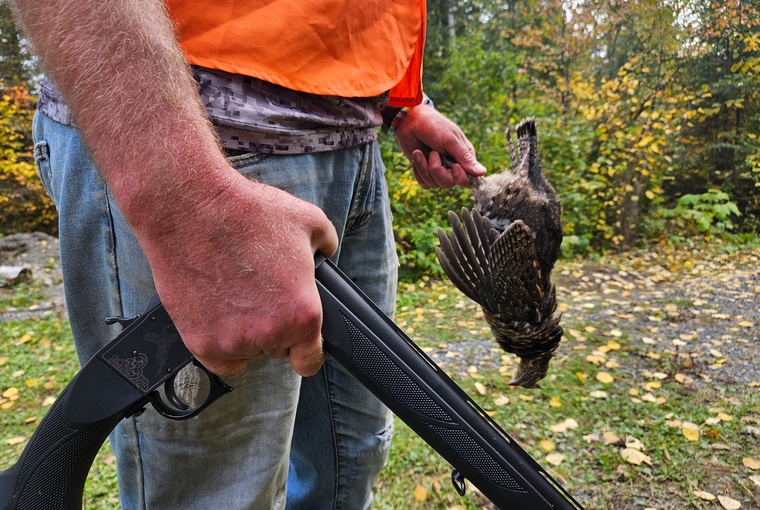
It’s just an ideal option, Hagar added. “It is a great grouse load, and with inexpensive single shotguns starting at a little over $200, [the 28] gives someone an option to buy an inexpensive upland or target shotgun that is fun to shoot.”
Though less common, the 28 finds its way into the waterfowl blinds, too. Though its range is little limited compared to a 12 or 20, the light, quick-handling gun can be a lot of fun in the blind. Non-tox 28 loads are also increasingly available.
The 28 gauge is making a resurgence, for good reason, and if you have an empty slot in your gun safe, this small, yet mighty shotgun could be just the thing you need.
Originally published in Ontario OUT of DOORS’ 2024-2025 Hunting Annual