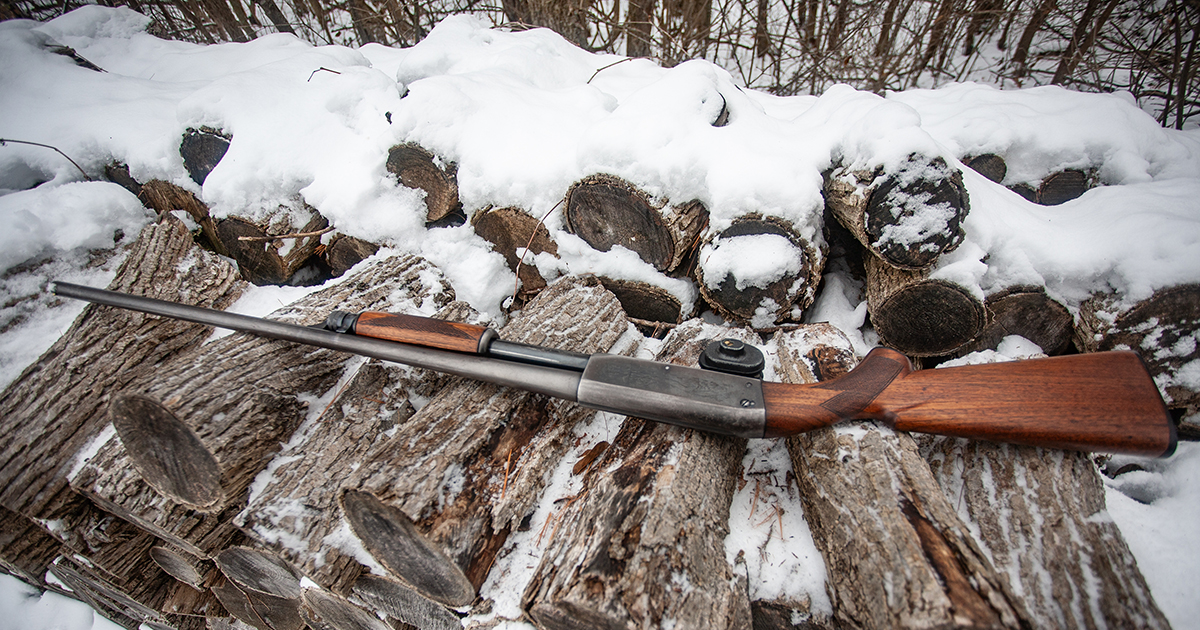

Q: I am looking to find out more about my grandfather’s gun from the Second World War. I know countries repurposed equipment back then, so I’m intrigued to learn more.
Ken Shulist
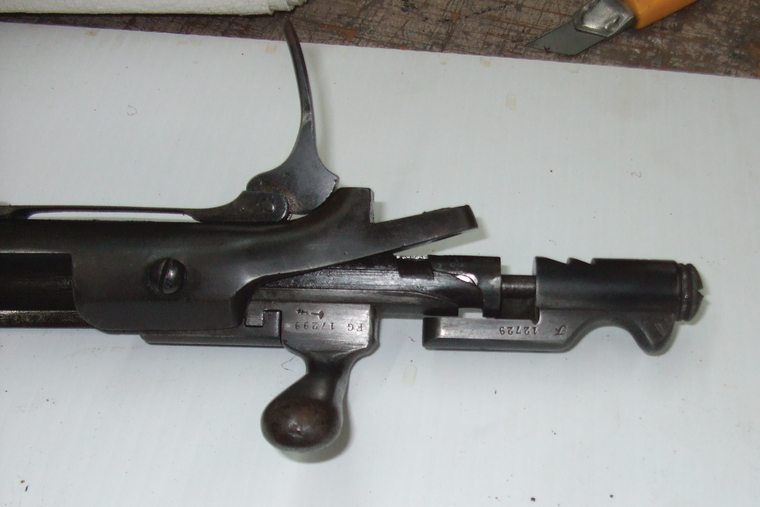
A: Classic Gear columnist Ken Doherty responds: You have at least three different guns here! The distinctive thumb-operated cocking device identifies it as a French Chassepot bolt-action single-shot rifle, made from 1866 1874. The bolt’s unique teardrop shape was found only on Chassepot Artillery musketoons and carbines. The cavalry liked it because the bolt did not snag on clothing when slung over the shoulder.
Since the Chassepot’s paper cartridges fouled the barrel, the French adopted a modified version, the Gras Rifle, which used a metallic cartridge, in 1874. These modifications are evident in yours. Even though the French replaced it with the Lebel repeating rifle in 1886 many of the more than 4 million Chassepot/Gras rifles produced remained in service until the First World War.
The guns’ production and modification history was recorded on the receiver, barrel, and stock. Unfortunately, this information was removed when it was converted into a 12-gauge shotgun for a civilian market in the late 19th or early 20th century. Proof marks on the replacement barrel show that this final conversion was completed in Liege, Belgium after 1893.
Since your grandfather served in the Canadian Army near the end of the war, I doubt that this firearm was assigned to him for his security duties at the Armoury in Peterborough. Even more for you to research.
Send your questions by clicking here
Originally published in the Spring 2025 issue of Ontario OUT of DOORS