Q: I’d like to troll for brown trout in the spring on Lake Ontario. What structure, depth, speed, and presentation do you recommend for someone who has never targeted these fish before?
Jordan Schwindt, Guelph
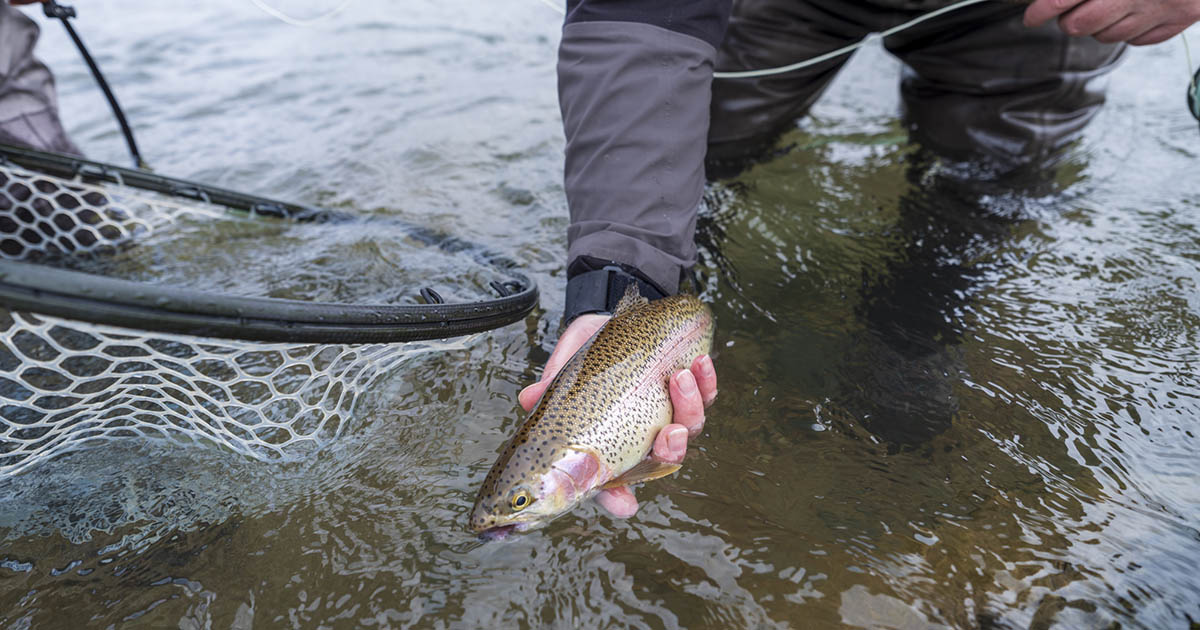
OOD contributor and Lake Ontario fishing pro Jason Forde responds: Brown trout can be trolled very close to shore in spring. A big, fancy boat is not required. When the weather starts to break in late winter and runoff from snow melt, or rain occurs, is a good time to go. Browns actively feed in shallow water all spring and summer.
Water colour is probably the biggest factor in finding feeding browns in spring. It will impact the water temperature and creates cover for baitfish. Brown trout are spooked by boat-motor noise and wake, so slow-trolling planer boards and long leads is beneficial. Trolling at speeds of 3.06 to 3.5 km/h (1.9 to 2.2 mph) in depths of five to 35 ft of water is most productive. Focus on mudlines/edges, through muddy water, along contour breaks, and near creek mouths.
A spread of planer boards on flat lines is a great way to experiment with different lures that dive to different depths. Trolling close to shore may result in large variation between the depth at the outside and inside rod. Lure selection is critical as the dive depth of your bait should be matched to the depth of water. My favourite diving baits are Rapala Husky Jerks, Jointed Rapalas, Yo-Zuri crystal minnow, and Cotton Cordell Wally Stingers.
Send your questions by clicking here
Originally published in the Spring 2025 issue of Ontario OUT of DOORS
For more fishing, click here
Click here for more outdoors news
Watch on-demand videos anytime on OFAH Stream