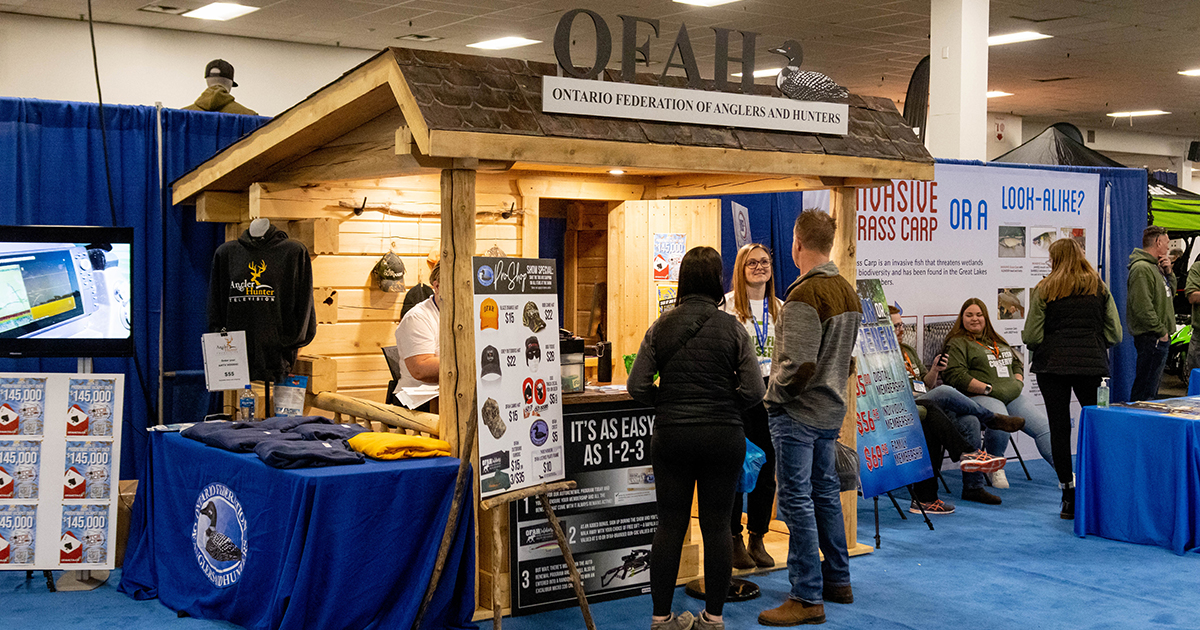
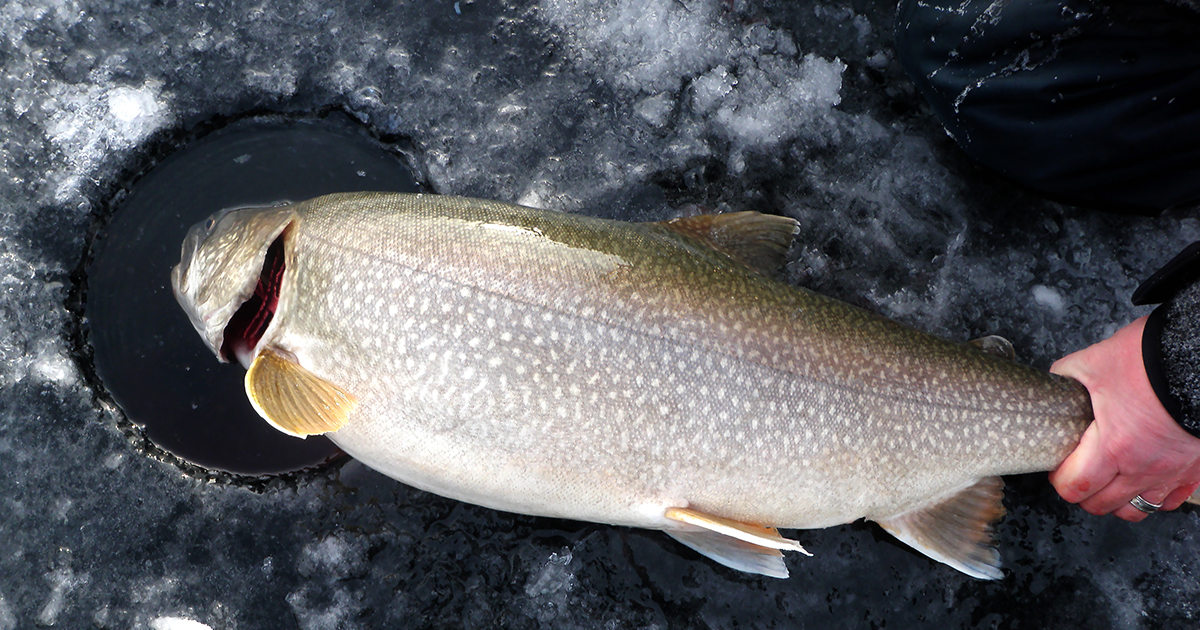
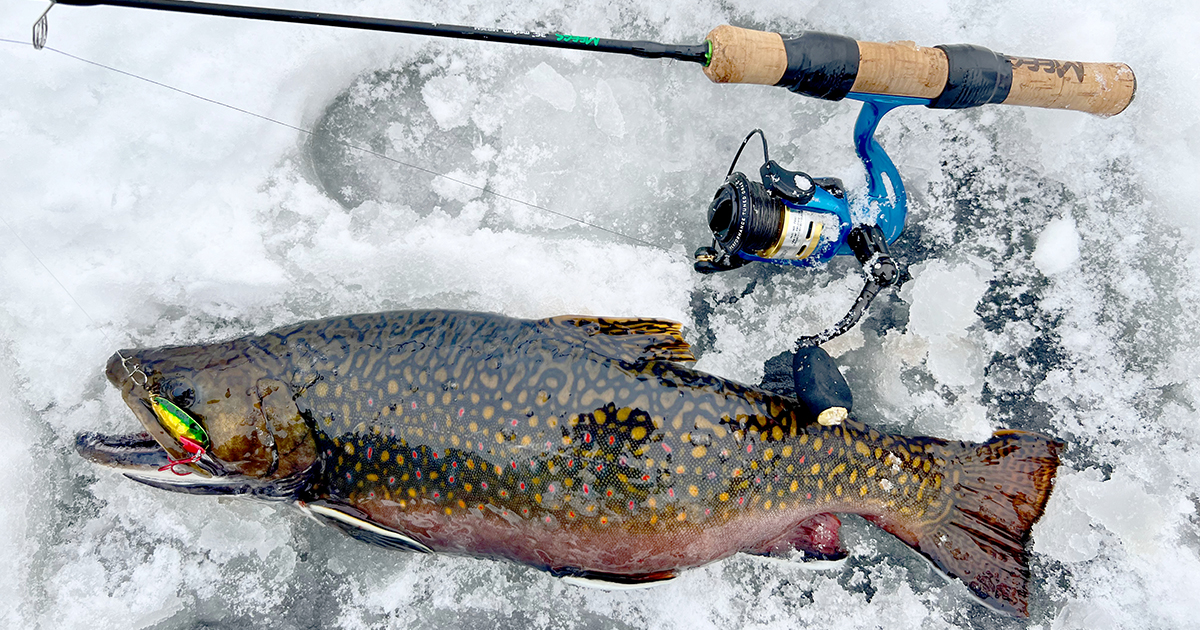
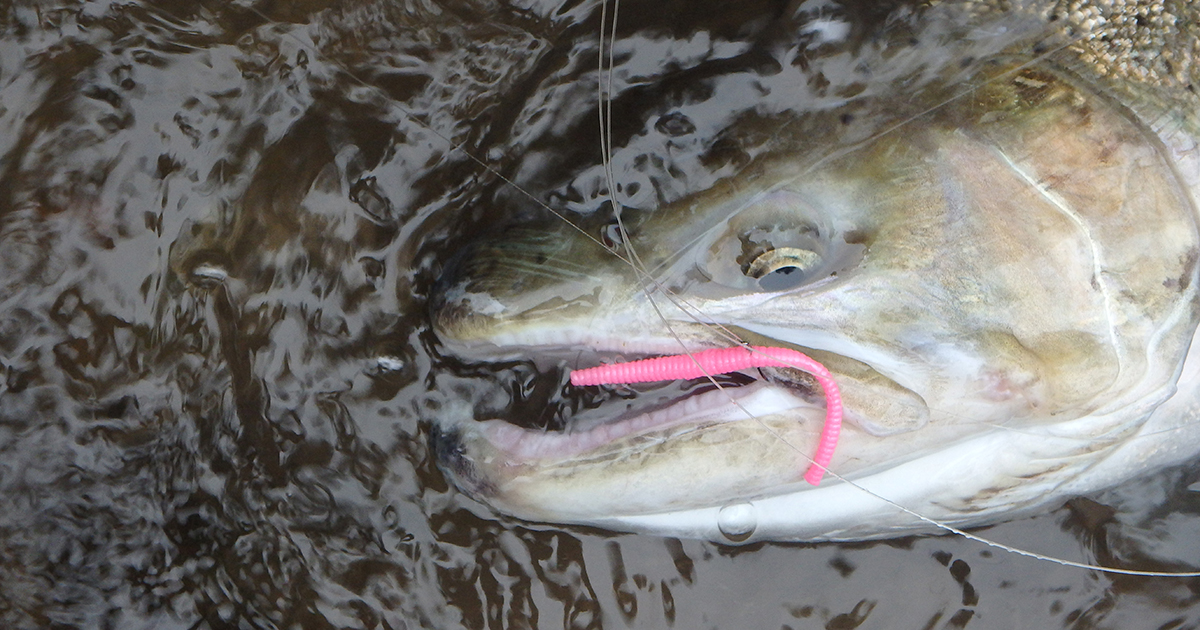
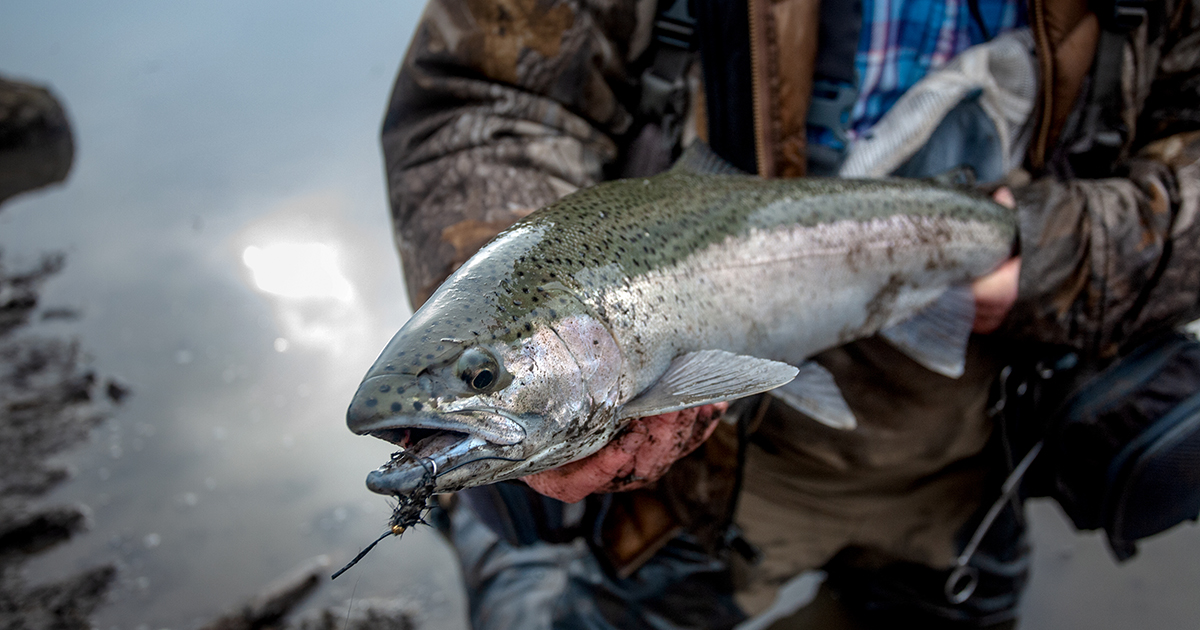
Lake Ontario’s Atlantic salmon population is benefitting from recent changes to the Lake Ontario Atlantic Salmon Restoration Program (LOASRP). These changes result from an adaptive management approach to restoration efforts that began in 2006. The program improves and adjusts actions and policies based on outcomes and new information. More Atlantics are being caught by anglers, meaning research, monitoring, and stocking are paying dividends. For example, the Ontario Federation of Anglers and Hunters (OFAH) and partners have been restoring and improving habitat. Waterway barriers and dams have been removed to facilitate improved migration, while other projects have improved water quality and quantity. When it comes to education and outreach, meanwhile, the OFAH’s classroom hatchery program has grown to more than 90 classroom hatching hatchery units. More than 3,000 students per year are being directly engaged in ecosystem health, biology, natural history, and stewardship ethics, while more than 9,000 volunteers have planted 105,000-plus trees and shrubs. Monitoring and research have also been enhanced with modern camera systems on the Ganaraska River and Credit rivers. The cameras monitor Atlantics and other salmonoids when they migrate up these rivers. The public can watch at www.riverwatcherdaily.is/migration. Reports of catches also provide valuable info. Successful anglers can also contact the program through its website www.bringbackthesalmon.ca. MNR program highlights Continued monitoring of the program, combined with improved research techniques, has produced positive results. It has been learned that Maine’s Sebago Lake strain is best suited for the restoration program, according to the Ministry of Natural Resources (MNR). Research has also shown that stocking near the rivermouth is best in water temperatures of 10˚C or slightly warmer. “Starting in 2021, the MNR started stocking one strain of larger advanced 18-month-old yearlings directly into the lake,” MNR Lake Ontario Management Unit Manager Andy Todd said. “This was done to increase survival. The MNR clipped all the fish and many of the fish that anglers are catching are from the enhanced 2021 and 2022 stocking efforts.” The annual stocking of 200,000 yearlings, similar to New York state, will continue. Angler success In past years, most Atlantic open-water catches have been incident al. Recreational anglers fishing regularly for chinook reported only one or two Atlantics in a full season. Historical river reports show minimal returns, with only the odd Atlantic being caught. Recent reports, however, indicate a swing of the pendulum toward more angler success. From June to October last year,