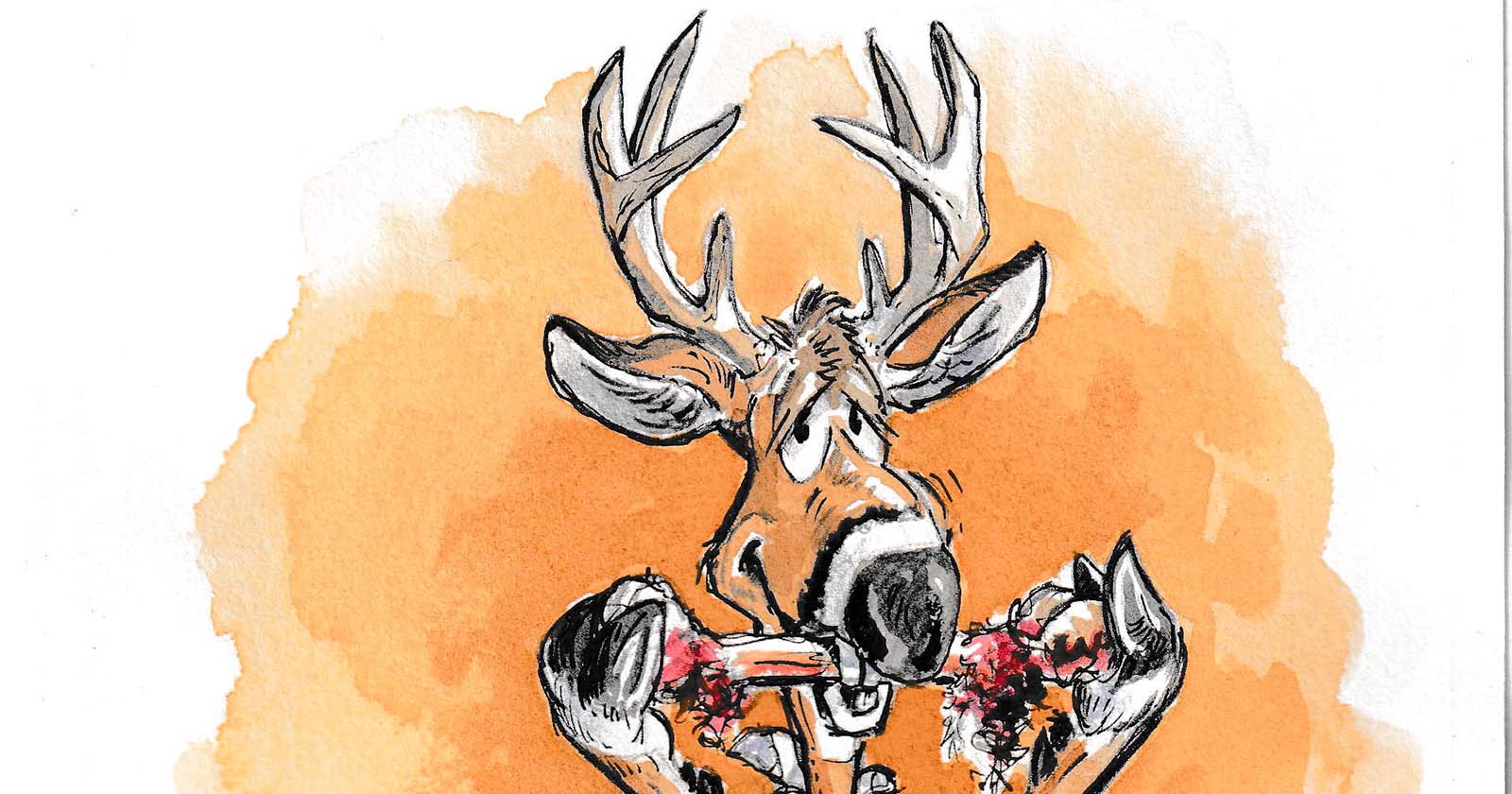
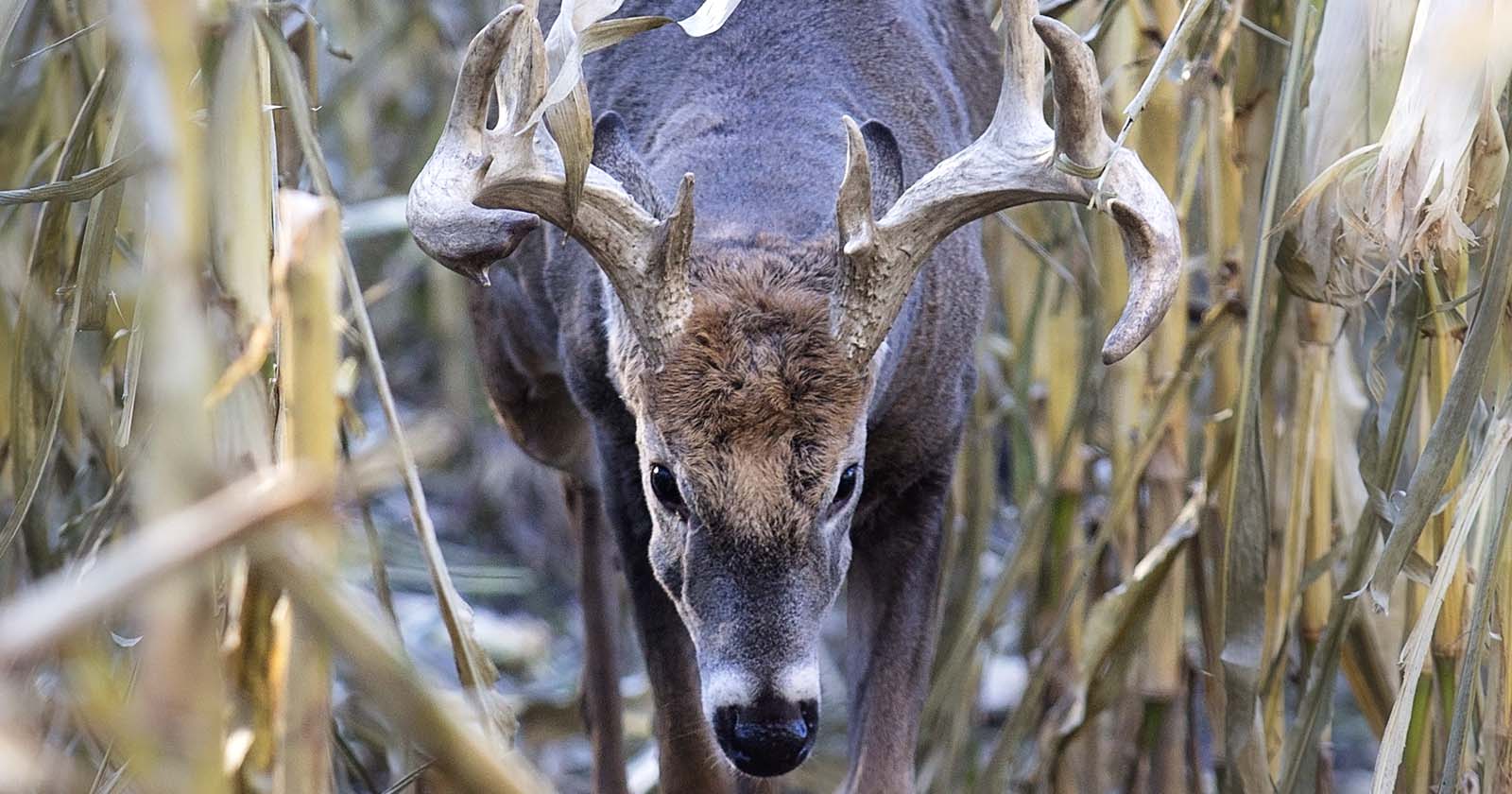
Q: Can you smell deer in the wild?
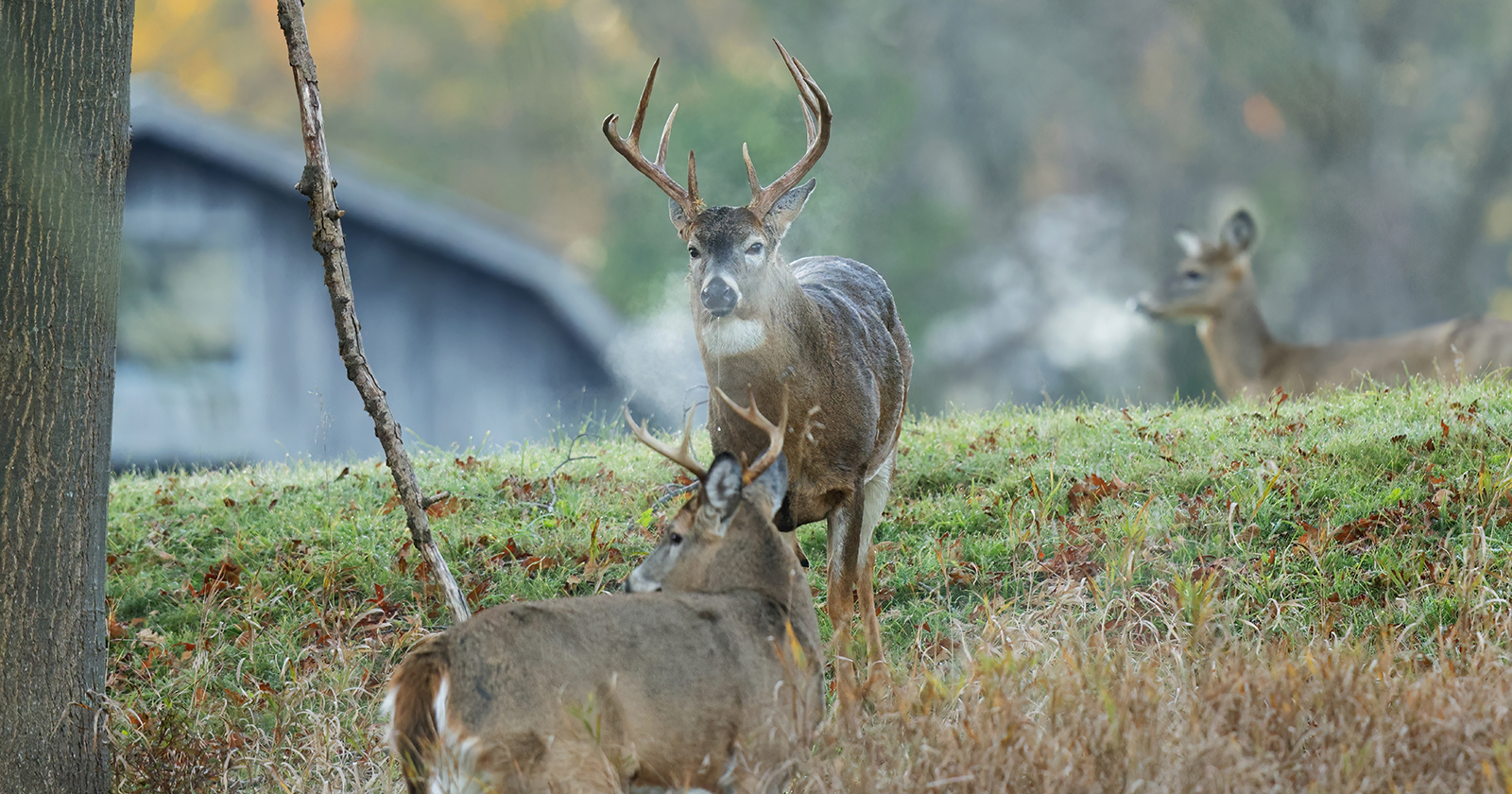
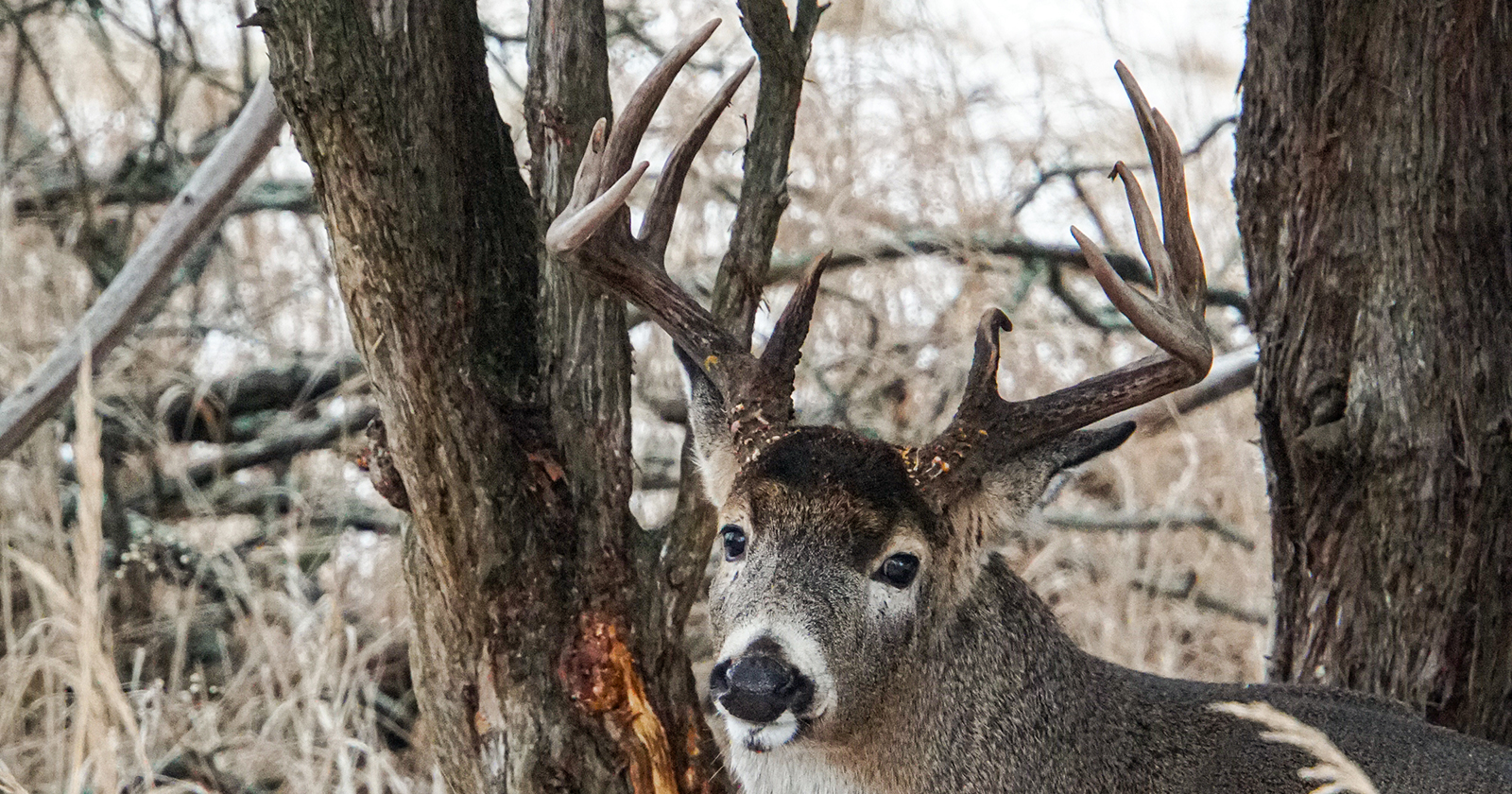
OOD Big Game columnist and retired MNR wildlife biologist Bruce Ranta responds: I have often smelled a deer before I’ve seen it. Generally, when I’ve smelled a deer while hunting, it’s been an older, mature buck. During the rut, a buck can be smelled from quite a distance. Last fall a yearling buck was hanging around my yard I could smell him from at least 15 feet.
Assistant Editor and lifelong outdoorsman Steve Galea responds: Yes, a buck during the rut is often detectable by its smell from close up and the smell seems to linger in the area, too. I was once alerted to the presence of one that I subsequently shot. I crossed paths with the lingering smell, which alerted me to the fact that the deer was close and a quick look around revealed it.
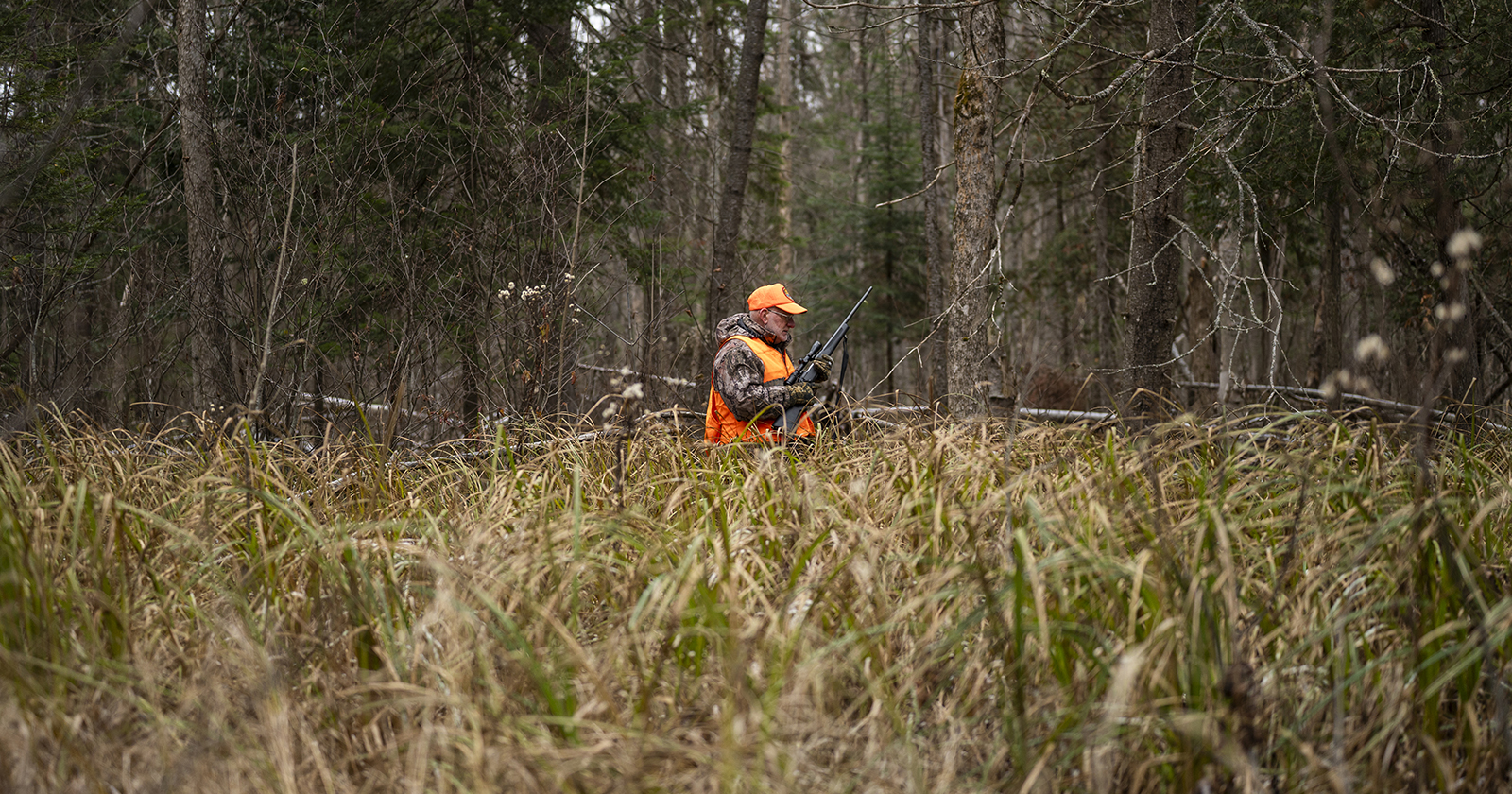
I have also smelled a fatally arrowed deer that I was looking to recover. I shot it late in the day and got up early to recover it the next morning. Snow had covered much of the blood trail, but I found a few drops while doing a grid search. When I stopped to examine the blood, I smelled the deer, which was about 12 feet away. The bottom line: If I think I smell a deer, I go with my instincts and take it as a sign that one is not too far off.
Send your questions by clicking here
Originally published in the Nov.-Dec. 2024 issue of Ontario OUT of DOORS
For more hunting, click here
Click here for more outdoors news
Watch on-demand videos anytime on OFAH Stream