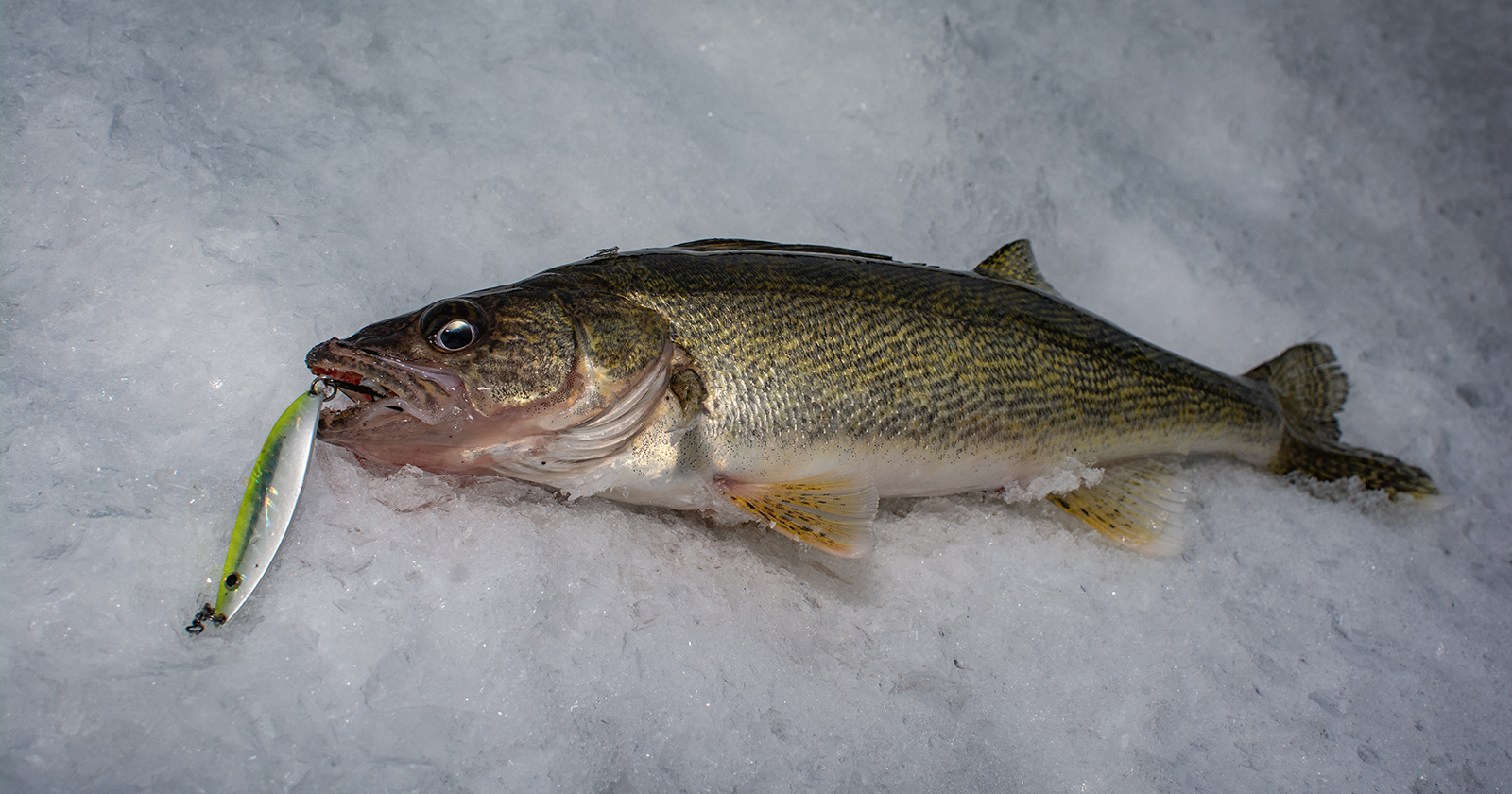
Nestled a few hours north of Toronto lie the Muskoka Lakes, renowned as the playground of the rich and famous, with prized cottages dotting the picturesque lakeshores. The real trophies, however, are below the surface of Lake Rosseau, Lake Muskoka, and Lake of Bays. Lake trout inhabit the depths of these lakes —big, hard-hitting, bulldogging, good-eating lake trout. According to an Ontario Ministry of Natural Resources and Forestry (MNRF) State of the Resource Study, these lakes contain the largest concentrations of lake trout in southern Ontario outside of Algonquin Park. I target them from ice-out until fall, but really enjoy being on the water on bright, summery days. From late June until September, lakers escape the warm upper layer of water to live in 9 to 11˚C water between 40 and 80 feet. Since they are widely dispersed and down deep, trolling is the best way to reach them. Downriggers, Dipsy Divers and snap weights all work, but I prefer trolling with steel line or lead core line to get spoons down where they live. These old techniques are easy and effective for deep summer lakers — especially when enhanced with some innovations. Lead core or steel Lead core and one-pound, steel lines sink at nearly the same rate. It handles more easily on the reel and comes in coloured sections so you can keep track of how much you have out without a line counter. Lead core, however, deteriorates and weakens after two seasons. I have lost good fish and lures due to lead core breaking. A spool of steel line will last you a lifetime if you keep it from kinking, but you will need a line counter reel to know how much of it you have out. Adding lead To get into the strike zone fast (40 to 50 feet down) with less steel or lead core line out, I add a one-ounce in-line weight or keel sinker to the end of the steel or lead core line. Then I tie on a rod length of 14-pound fluorocarbon leader and a good quality snap swivel. A snap weight placed 50 feet up from the lure has also worked for me. 300-ish feet I use a line-counter reel to know how much line to put out. Trolling 300 feet of line at a speed of 2 mph (3.2 km/h), most trolling spoons get down to 40 feet. Heavier