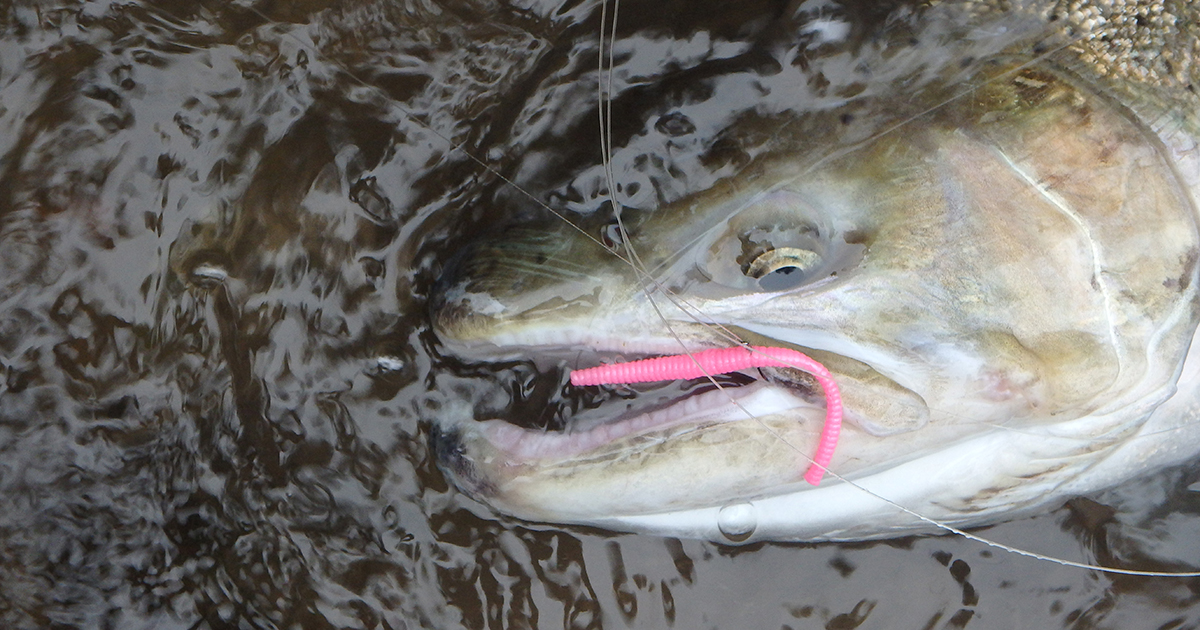
In a rapidly evolving market driven by the next big thing, fishing lures of yesteryear tend to get buried in tackle boxes. There rest classic lures that have withstood the test of time. Baits that helped define a technique or became synonymous with a certain species. These were baits that changed the game. Baits that were inherited from a parent or grandparent. Baits that even the most seasoned anglers consider ‘old-school.’ These 10 baits are still relevant today. Arbogast Jitterbug Origin: Developed in Ohio, USA in 1939 Category: Topwater Lure maker Fred Arbogast has several lures to his name but none more well-known than the Jitterbug. The original prototype came from carving a section of broom handle and attaching a piece of a spoon on the front. With some tinkering and refined adjustments, Arbogast crafted a lure that became equally unique and effective. Few topwater baits are as recognizable as the Jitterbug and the same can be said of its tell-tale plop-plop-plop sound. The characteristic large metal lip on the face of the Jitterbug gives the bait action and its recognizable appearance. The size and double-cupped shape of the lip cause the bait to wobble from side-to-side on a steady retrieve as the corners of the lip alternate dipping in the water. For a time during the Second World War, Jitterbugs were constructed with plastic lips due to shortages of aluminum. Jitterbugs have been catching bass since their inception more than 80 years ago and continue to be a topwater favourite of both bass and bass anglers. Mr. Twister Curly Tail Grub Origin: Developed in Louisiana, USA in 1972 Category: Soft plastic Arguably the most cost-effective lure money can buy. A grub paired with a jig head can catch a lot of fish. And that’s exactly what these infamous soft baits have been doing since they hit the market 50 years ago. Before the Curly Tail Grub, soft baits were more rigid and lacked action. It’s the unwavering swimming action of the Mr. Twister tail that makes it a target for virtually every fish. Curly Tail Grubs are easy to fish. Use a slow, straight retrieve, or hop it along bottom, or jig it vertically. Curly Tails are the champion of fly-in fishing trips, eliminating the need for live bait. Attaching one to a spoon’s treble hook is a common tactic for pike. The Len Thompson Spoon Origin: Abernethy, Saskatchewan