Nuisance-bear calls across Ontario have declined significantly over the last year.
By Nov. 5, 2017, the Ministry of Natural Resources and Forestry’s (MNRF) Bear Wise phone lines had received 4,019 calls, a sharp decrease from the 7,054 calls received by the same period in 2016.
“That’s a 43% drop,” MNRF Senior Media Relations Officer Jolanta Kowalski said.
Conditions in the Sudbury District accounted for much of the decline. This district had previously experienced the highest number of calls to the Bear Wise program. Natural Resources Minister Kathryn McGarry said she was, “pleased to say this year Sudbury District has received fewer bear-related calls than in 2016 and 2015.” The latest reports indicate a 62% decrease.
In the spring of 2017, the MNRF addressed the district’s bear issues by doubling the number of bear technicians from two to four in order to better assist police when handling nuisance bears, said Sudbury MPP Glenn Thibeault.
He also announced the MNRF will expand public-education efforts on ways to avoid human-bear encounters as part of the Bear Wise awareness campaign, and noted additional bear technician support will be provided in the spring of 2018.
Less bear, more food availability
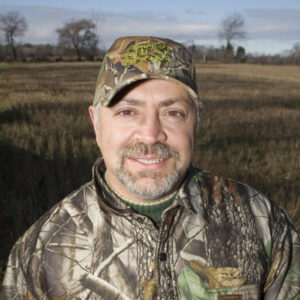
Mark Ryckman, senior wildlife biologist with the Ontario Federation of Anglers and Hunters agreed with the MNRF that fewer bear occurrences in 2017 reflected greater wild-food availability, which generally keeps bears away from urban areas.
Kowalski says 2016 drought conditions meant less food availability in southern Ontario, and a strong apple crop in northern Ontario brought bears into urban areas as natural food sources declined.
She also says results of the first and second year of the limited spring-hunting pilot in 2014 and 2015 did not show any immediate reduction in calls to the Bear Wise reporting line in the pilot areas. “Monitoring of the expanded five-year pilot is ongoing,” she said.
Ryckman says the scarcity of natural foods is a huge driver of nuisance-bear calls, but, “We’re confident that regulated hunting, including the spring bear hunt, aids in this respect.”
Originally published in the Jan.-Feb. 2018 issue of Ontario OUT of DOORS
For more big game, click here
Click here for more outdoors news
Watch on-demand videos anytime on OFAH Stream