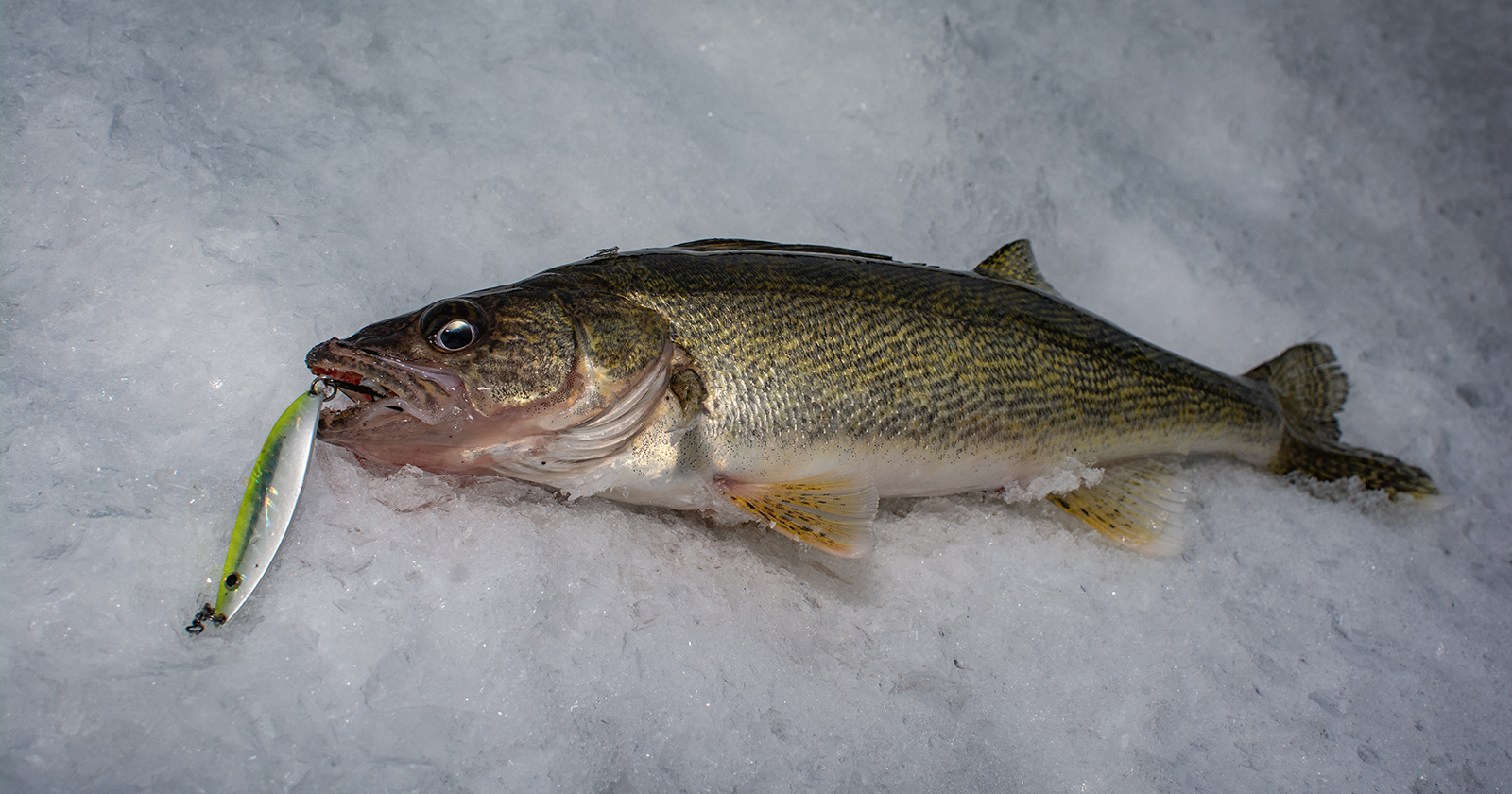
Q: When you clean fish for transport, you are required to leave a piece of skin on so they can be identified. When I fillet fish, I usually cut the fillet in half. Does there have to be a piece of skin on both halves of the fillet? I usually freeze them flat in a freezer bag so it’s easy to see how many fish and what kind are in the bag.
Tim Gillard, St. Thomas
A: Yes, you would need to leave a piece of skin on both portions of the fillet if you choose to cut the fillet in half. The rules about packaging fish caught by sport fishing state that the species must be readily identifiable and the number of fish easily counted. If you didn’t leave a patch of skin on each portion of the fillet, it would be difficult for a conservation officer to determine the species and potentially also the number of fish. To ensure fish can be easily counted, package each fish separately, or arrange fillets spread flat in a clear freezer bag.
It should also be noted that for hard-to-identify species (e.g., lake whitefish vs. lake herring), additional identifying features, like the head, should be left on.
Answer by: Brenda Koenig, Provincial Enforcement Specialist, MNRF
Originally published in the Ontario OUT of DOORS 2018 Fishing Annual
Ask a CO is also a regular feature in the print edition
Please check the most recent Ontario hunting and fishing regulations summaries, as rules and regulations can change
For more instalments of Ask a CO, click here
Click here for more outdoors news
Watch on-demand videos anytime on OFAH Stream