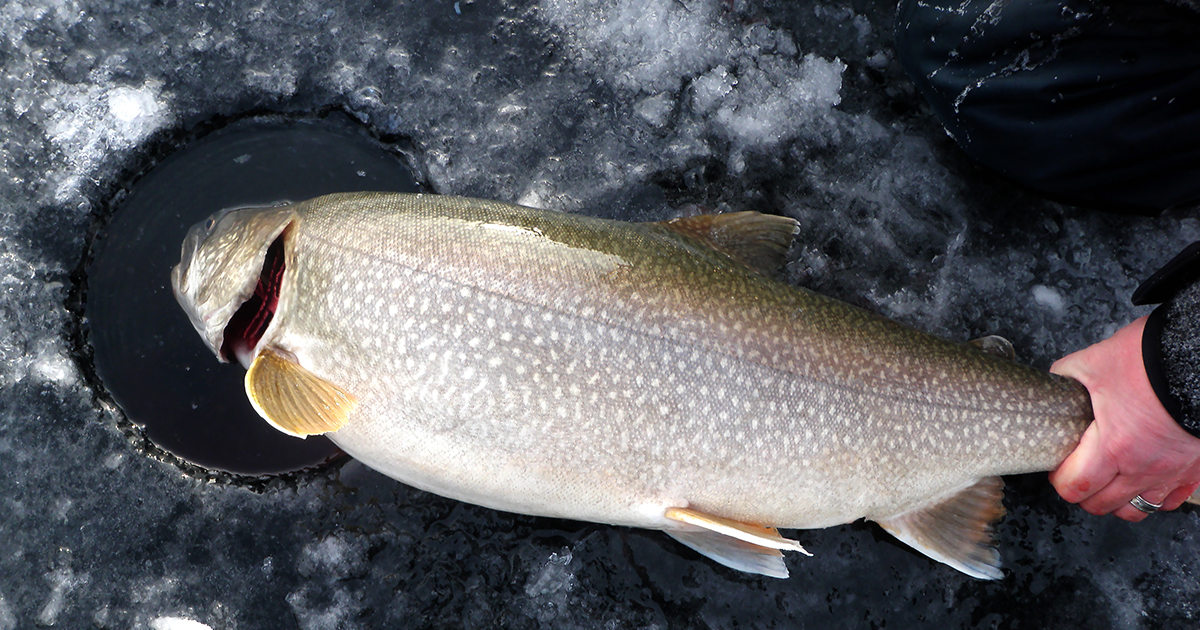
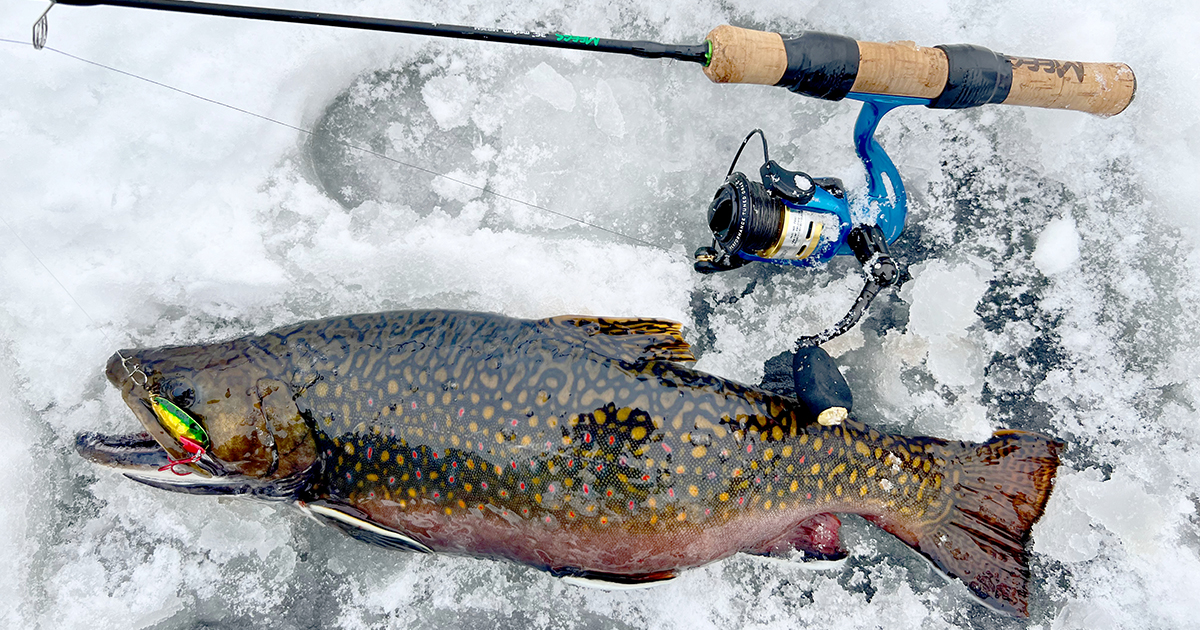
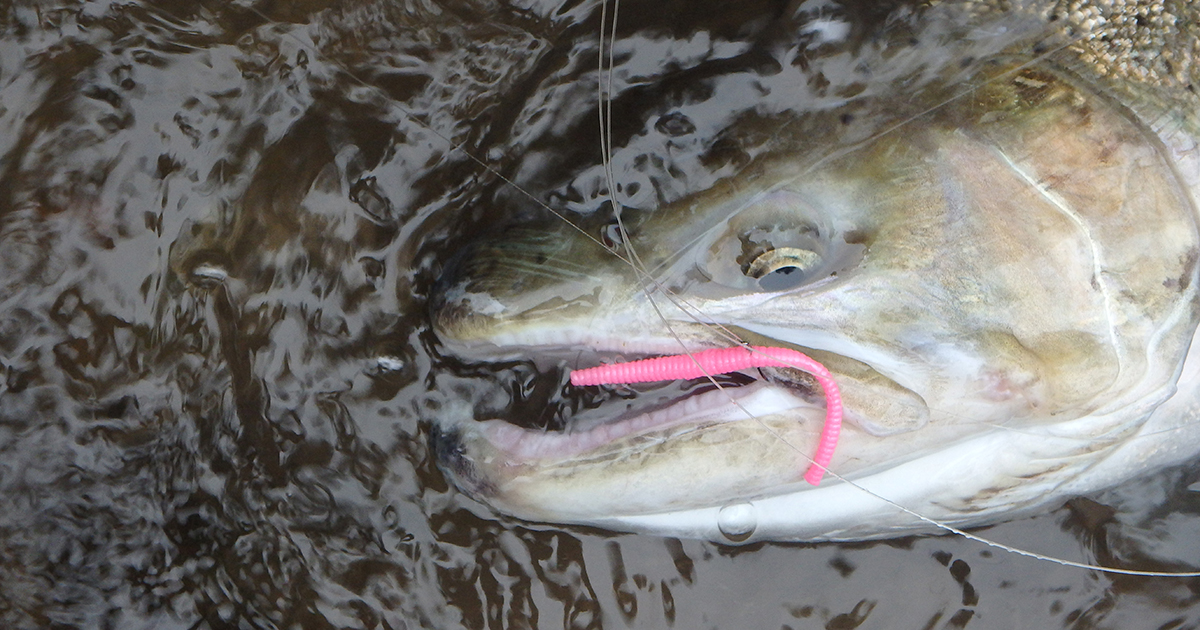
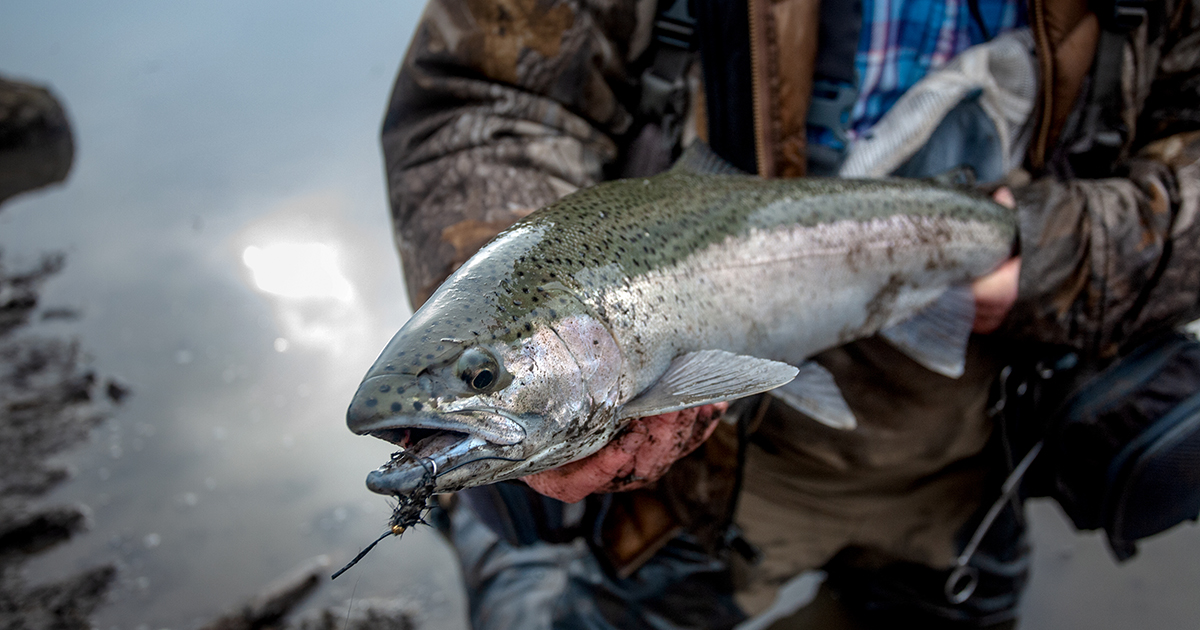
One of the greatest rewards of being an angler or hunter is enjoying the fish and game we harvest. While both are delicious and nutritious, many factors influence how good they taste. Wild game recipes, like those provided by OOD Food Editor Andrew Rochon, for example, depend on proper handling — from the moment of harvest to the time they hit the pan. Here’s what you need to know. Fish Ontario’s abundant lakes and rivers produce tens of thousands of kilos of edible fish annually. Fresh fish always tastes better — it’s why we love shore lunches so much. However, poor handling impacts flavour. To make sure your catch excels in a taste test, follow these basic rules: Kill and cool immediately. This is critical, especially for cold-water species like trout and salmon, which deteriorate quickly once they warm. Flesh can soften, separate from the bone, and lose colour — all of which degrade taste. Use ice. Bring a cooler or ice box. Before placing fish on ice, kill them with a blow to the head to prevent bruising. For salmonids, bleeding is also advised: give them a bonk, snip a gill or two, and let them bleed out before icing. White-fleshed fish don’t require bleeding. Keep them alive (sometimes). Warm-water species like perch, walleye, and crappie can often be kept alive in a livewell, on a chain, or in a fish basket for a few hours — just don’t rely on this for longer transport. Try a wet burlap bag. On warm days, a soaked burlap bag can cool fish through evaporation — an old trick that still works. Refrigeration procrastination After a long day on the water, I often put off fish cleaning. For trout, salmon, and slimy species like pike, I gut and gill them, bag them, and refrigerate them overnight. For less slimy fish, like perch or crappie, I put them in leak-proof plastic bags and clean them the next day. I never rinse fillets until I’m prepping for the table. Properly refrigerated, cleaned fish can stay fresh for several days. Fish aficionados say there are three ways to freeze fish to maintain optimal taste: ice glazing (where a thin, protective layer of ice is formed on the surface of frozen fish by dipping it in cold water, then re-freezing), vacuum sealing, and freezing in water. Regardless of the method chosen, remember that air is not