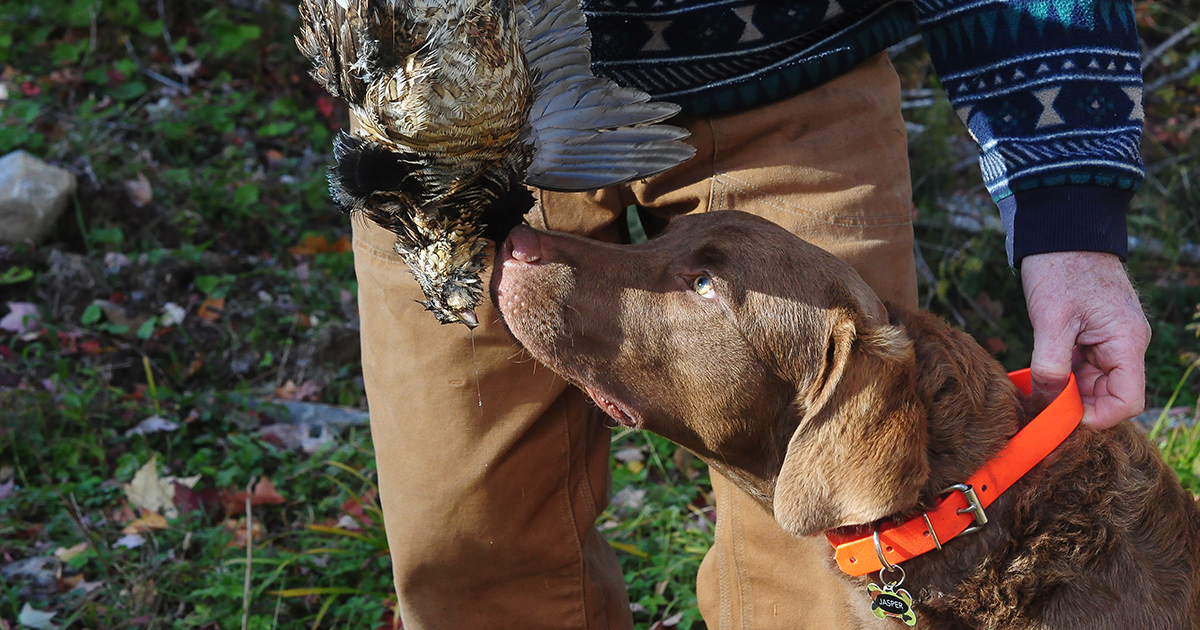
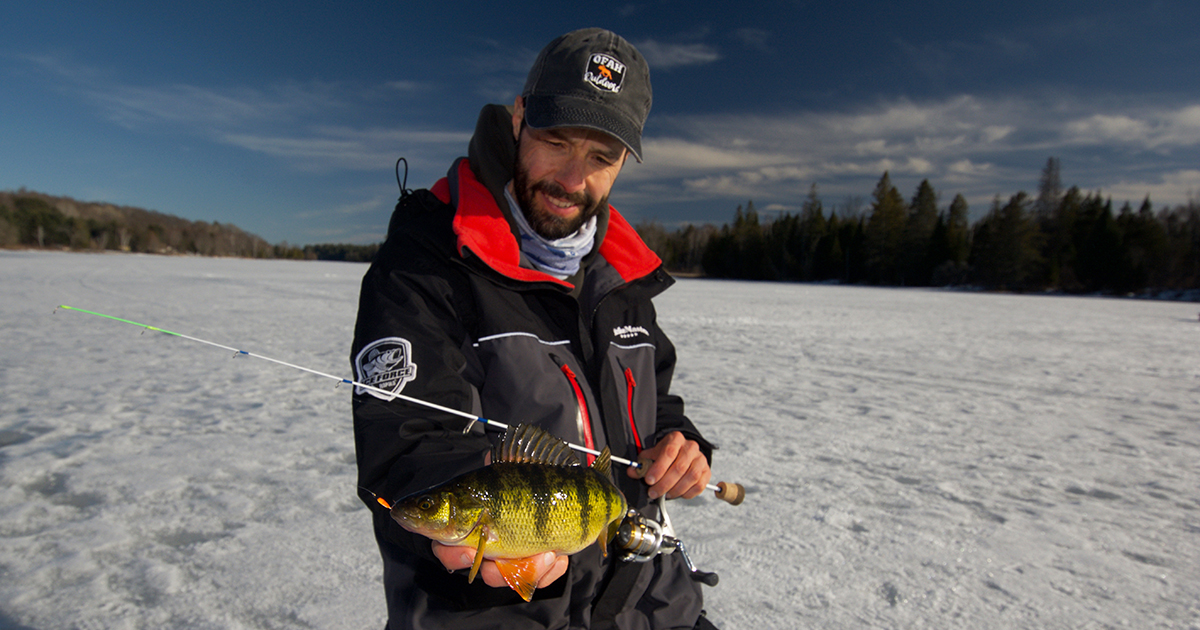
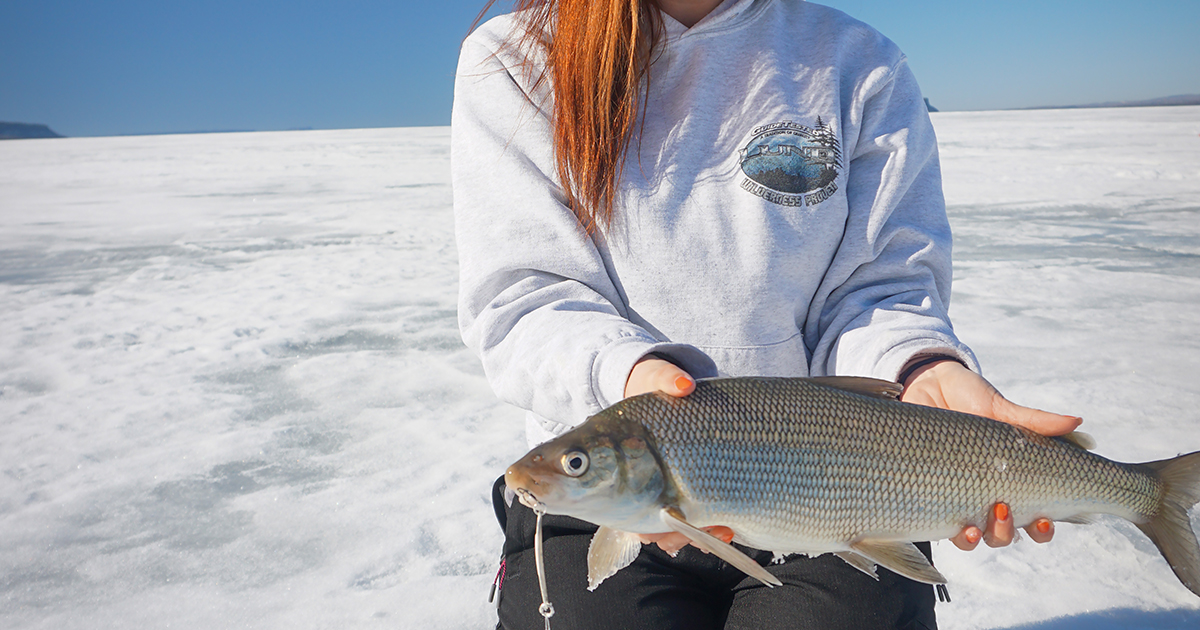
It should come as no surprise that wild game is one of the healthiest, leanest meats available. It’s packed with protein and rich in essential vitamins and minerals like iron and zinc — without the added calories, saturated fats, or additives often found in conventional red meat. Is it healthier? Wild game is unique in its nutritional profile, shaped by the animals’ natural diet, movement, and environment. Since animals forage on wild vegetation and lead active lives, they tend to have higher levels of healthy omega-3 fatty acids compared to their grain-fed, store-bought counterparts. Typically much leaner, wild game also has lower levels of overall fat — especially saturated fat. While I do love a well-marbled ribeye steak grilled to perfection, nutritionally, a moose steak is the better choice. For the same amount of protein, a ribeye has far more fat and calories. In addition, store-bought red meat tends to have a higher omega-6 to omega-3 ratio, which isn’t ideal for health. Cooking methods like grilling or frying can also create potentially harmful compounds, such as heterocyclic amines or polycyclic aromatic hydrocarbons — substances linked to an increased cancer risk. However, these risks can be minimized with proper cooking techniques. Thanks to their natural lifestyles, wild game animals develop lean muscle and provide high-quality protein. Moose, deer, and grouse, for example, are excellent sources of protein, and they’re also typically richer in iron, zinc, and B vitamins — all of which are essential for good health. Moose meat is particularly beneficial, being low in sodium and high in potassium, which supports cardiovascular health and helps reduce the risk of high blood pressure, stroke, and kidney disease. It’s also packed with essential amino acids, phosphorus, niacin, and vitamin B12. In short, wild game is as good for your body as it is for your taste buds. On taste While game meat can sometimes be tough or have a stronger flavour, with the right care in the field and the kitchen, it can be as tender and flavourful as anything from the butcher shop. The key is proper cooking. Wild game is lean, so it doesn’t take much to go from perfect to overdone. This is often where it gets a bad rap — when it ends up dry and tough. Wild game becomes tough quickly when overcooked for a couple of reasons. First, it contains far less fat than store-bought meat,