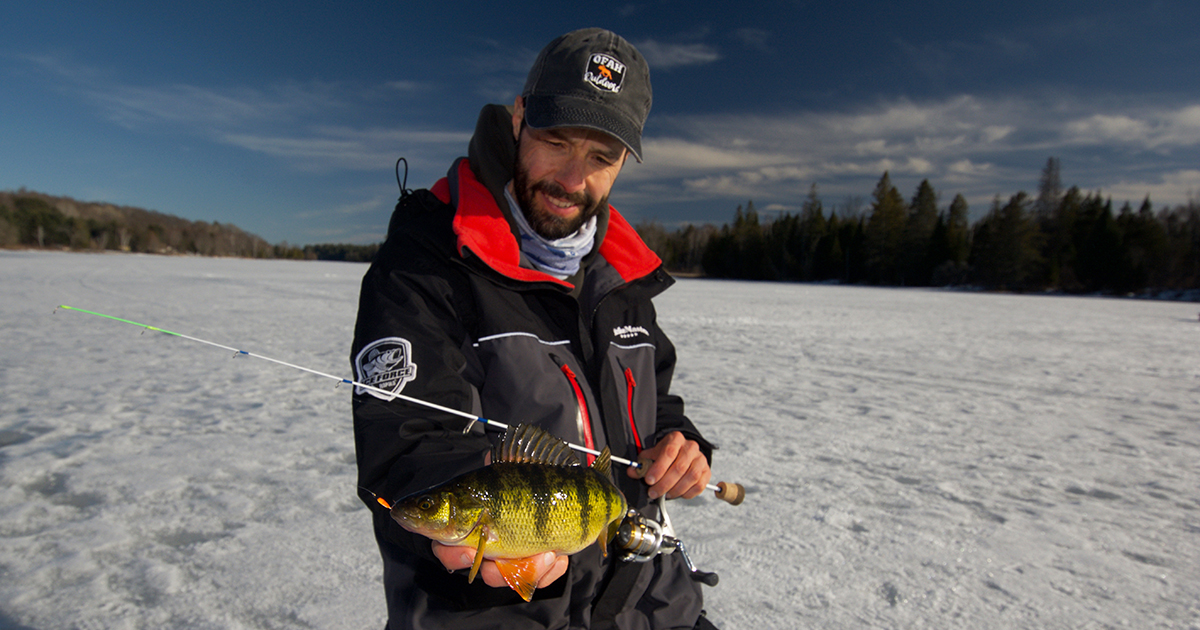
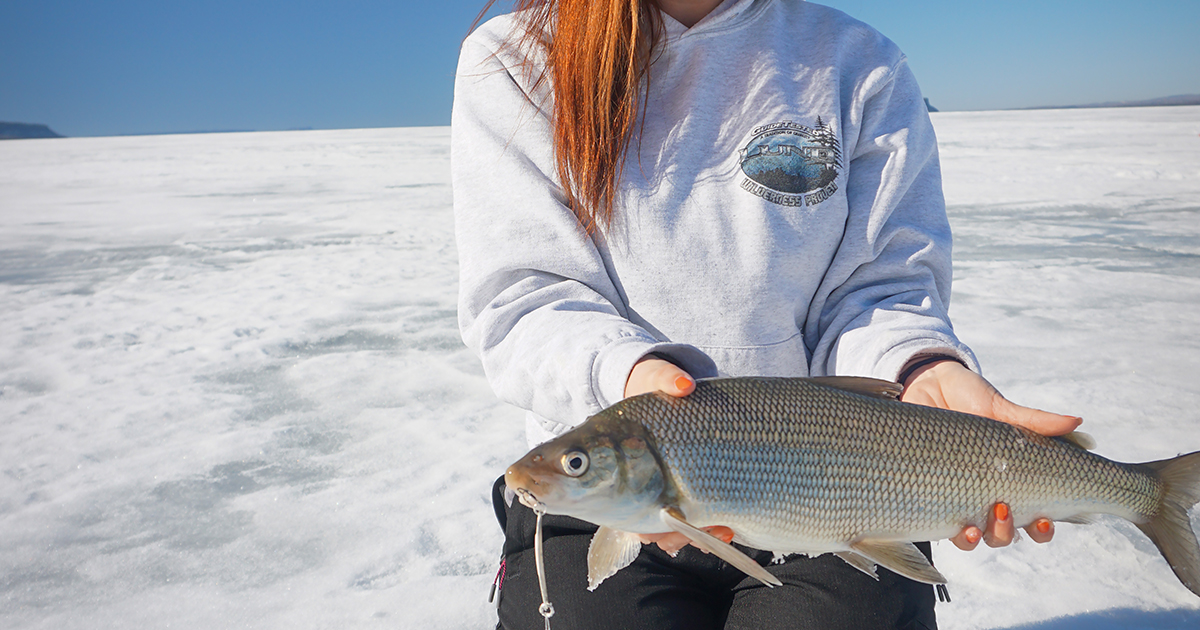
Big-water anglers are masters at catching suspended fish. Virtually every port on the Great Lakes has its cadre of large boats decked out with the latest in wide-screen sonar, state-of-the art global positioning systems (GPS), electric downriggers, and rigging for sturdy mast-style planer boards. They’re ready to catch everything from salmon to walleye. Armfuls of rods, varying in length and action and rigged with line best suited to its specialized presentation, often adorn the roof and sides. You might even find another armful squirrelled away below deck to serve as backups or to boost results when fish show a preference for a specific combination. While to some people this might come across as unjustifiable extravagance, in the right hands these tools allow anglers to extend their trolling swath and maximize the efficiency at which they can find fish and dial in a productive pattern. These floating juggernauts are trolling superheroes when plying big water. Their shear size and expense, though, often relegates them to the Great Lakes, leaving the vast majority of Ontario’s northern walleye lakes for the exclusive use of substantially smaller watercraft, fitted with considerably less technology. Yet, for small-boat operators to dismiss big-water tactics as not being applicable to their style of fishing is a mistake. Truth be known, many smaller, deep waterbodies also have suspended walleye. Where they exist, these fish often reach trophy size, because they receive virtually no angling pressure. Where to find them Under the right conditions, walleye will suspend in open water anywhere. Even on lakes where walleye might also relate to traditional structure such as points, humps, weeds, and the like, if there’s any type of suspended forage, likely walleye will key in on it. When we typically think of open-water forage, it’s cold-water species such as ciscoe, smelt, whitefish, or certain shiners. Even in the absence of these fish, yellow perch often move into their niches. Wherever the depth is sufficient for schools of perch to become suspended wanderers (pelagic), walleye will also be drawn out into the open and away from where most anglers congregate. Summer is the best time to look for suspended walleye, as it takes some time for these fish to migrate out from their spring spawning areas. The constraining aspect of the developing thermocline in deep lakes also helps to push fish into specific depth zones. Smaller lakes might only have one or two deep-water