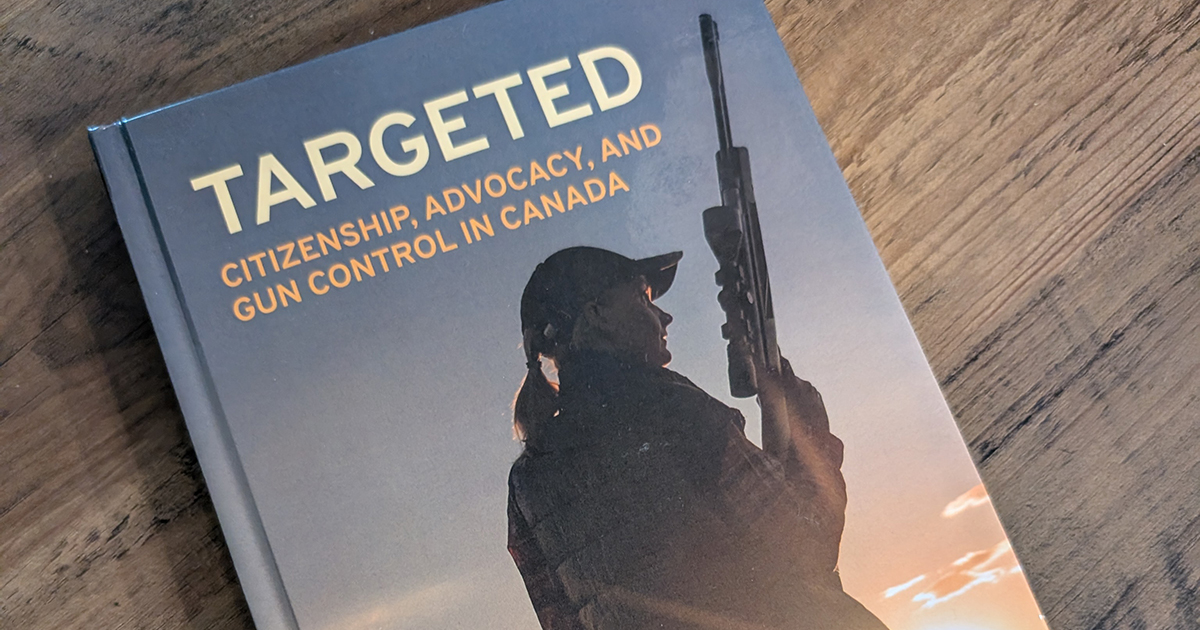
Gun owners wanting to be paid for turning in prohibited firearms have slightly longer than two months to declare their interest, officials said during a Jan. 17 announcement launching the Assault-Style Firearms Compensation program.
Possession and Acquisition Licence (PAL) holders were notified of the program launch and how to participate on January 19. Canadians have until March 31 to submit a declaration via an online portal or by mail.
After that, eligible participants can schedule an appointment to turn guns in to the Royal Canadian Mounted Police, local police, or a mobile collection unit for validation and destruction, officials stated. Declarations will be processed primarily on a first-come, first-served basis, “aligned with the availability of funds.”
Those who don’t take part must dispose of or permanently deactivate their prohibited firearms before an amnesty period ends October 30, officials stated. Those found with outlawed firearms after that could face the loss of their PAL and criminal liability.
Program wasteful: OFAH
Some 2,500 makes and models have been banned since 2020. More than 12,000 prohibited firearms collected from businesses from November 2024 to April 2025 have already been destroyed, officials stated.
The previously so-called buyback program has been opposed by groups including the Ontario Federation of Anglers and Hunters (OFAH) and the Conservative Party of Canada. Both argue that law-abiding gun owners are being punished.
“Like the long-gun registry, this ‘buyback’ program is wasteful and ineffective, diverting much needed resources from proven public safety initiatives and much-needed enforcement programs,” OFAH Director of Policy Mark Ryckman said.
Firearms called “weapons of war”
These “assault-style” firearms were “designed as weapons of war,” Public Safety Minister Gary Anandasangaree said during the announcement.
“Prohibiting and removing them from our communities is an important part of our government's commitment to tackling gun violence and keeping Canadians safe,” he stated. “We also want to make sure that people who own these firearms get fair compensation. The national compensation program we are announcing today will do that. I urge all owners of prohibited assault-style firearms to declare their weapons so they can seek compensation. While participation is voluntary, abiding by the law is not.”
The government said it recognizes hunting is an important tradition, noting more than 19,000 non-restricted makes and models remain available for hunting and sport shooting in Canada. This estimate has been questioned by many firearms experts.
Payments listed
A pilot program was rolled out in Nova Scotialast year, even after Anandasangaree, in a leaked Sept. 20 conversation with a tenant in a building he owns, said police lack the resources to enforce it. Police across Canada have said they are unsure if they will take part in the program — the OPP said it will not participate, following months of negotiations.
Firearm payment amounts range from $150 for a Steel GM16 to $9,945 for a Barnard P Chey. Applicants will have to contact a call centre to learn amounts for 160 other firearms on the list.
Ontario Out of Doors Managing Editor Jason Bain is an editor, writer, photographer, and former newspaper journalist. He’s also a sports, music, and film aficionado who doesn’t get out fishing nearly as much as he’d like to. Reach him at: Jason.bain@oodmag.com