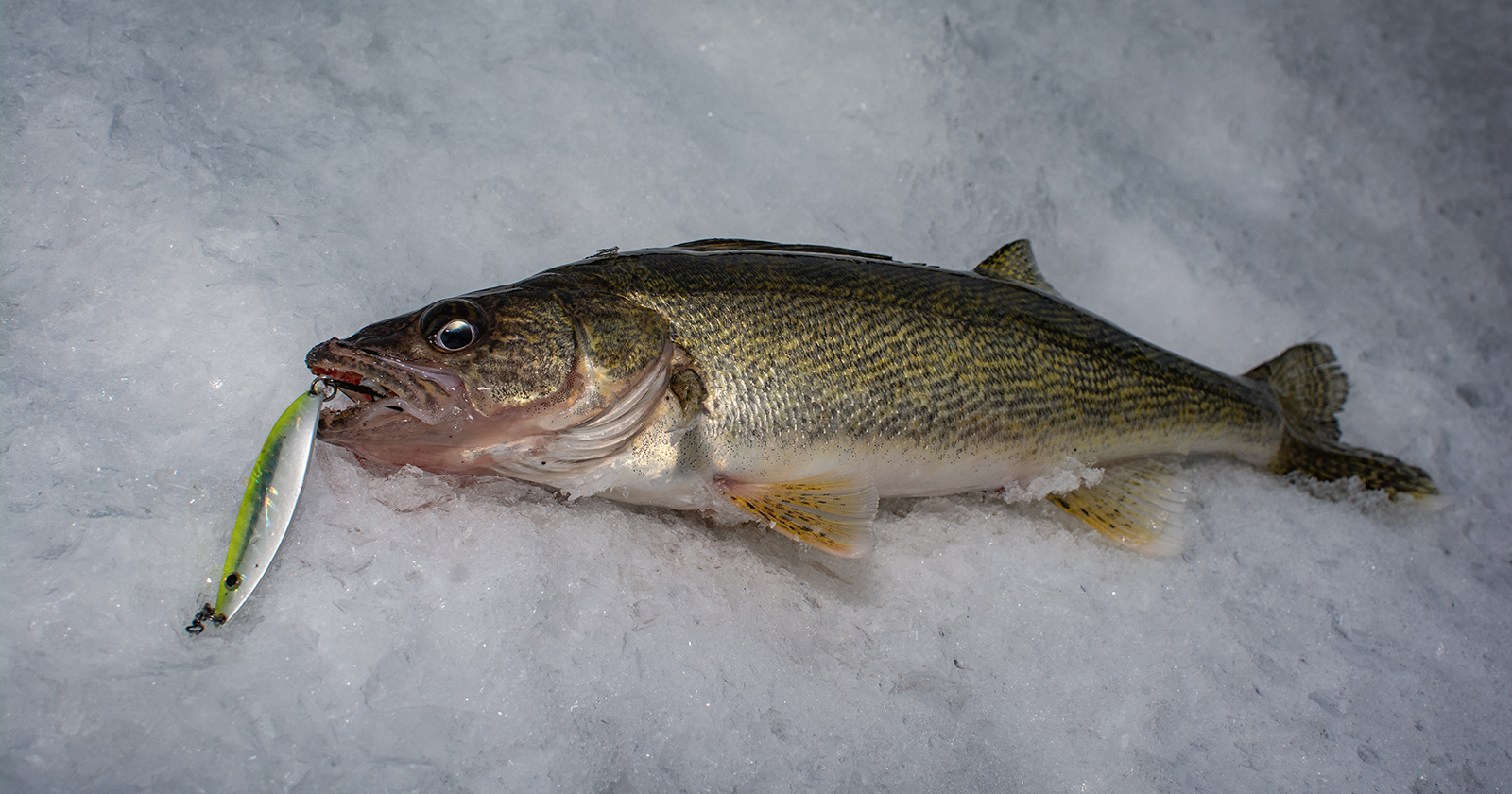
As a kid, I loved it when my dad took me perch fishing at Cook’s Bay, on the southern end of Lake Simcoe. The action was fast and so much fun. Recently, I’ve rediscovered the joys of perch: the fight on light gear, the challenge, and the fine table fare. Perch are a terrific sport fish for anglers of all ages. Distributed over most of the province, perch are an abundant and highly sought-after prize. Surprisingly, these panfish spend much of their lives in deep water, eating everything from larvae to minnows to crayfish. The key to catching them, as with all game fish, is finding their food source. Depending on the time of year, big perch relate to hard-to-soft-bottom transitions, gravel to sand, and even a pure soft bottom. Each waterbody’s natural cycle can differ, but for the most part, perch follow distinct seasonal movements and feeding patterns. Summer Years of guiding from Lake Nipissing south to Lake Simcoe, have taught guide and OOD Muskie/ Pike columnist JP Bushey (www.busheyangleguidedfishing. com) that sandy and soft bottoms hold huge schools of perch that feast on mayfly and stonefly nymphs. During the heat of summer, Bushey works water as deep as 50 feet. Winter Greg Klatt, owner of Profish’nt Angling Services (www.profishntanglingservices.com) of Fenelon Falls also finds that Lake Simcoe perch favour soft bottoms, and this focus also shines in the winter months, as big females feed heavily for egg production before spawning in April. Spring/Fall As soon as the ice is off the lake, Klatt is onto perch and enjoys fantastic pre-spawn fishing. “A number of the really big perch I've caught the past few years are full of crayfish and gobies, and they prefer hard bottom and gravel/rock areas throughout the year," says Klatt. Determining when perch shift from a soft bottom to sand and gravel just takes time on the water. Where to find them Both Bushey and Klatt have logged countless hours locating active schools, and good electronics are key to finding both bait and perch. The sensitivity and resolution of today’s fishing electronics makes it so much easier. Using downscanning in conjunction with sidescanning can really speed up the process of determining where perch are, and what they are eating. You may need to cover considerable distances to locate ideal bottom substrate and schools of minnows (and hopefully perch). But, marking those locations with GPS will