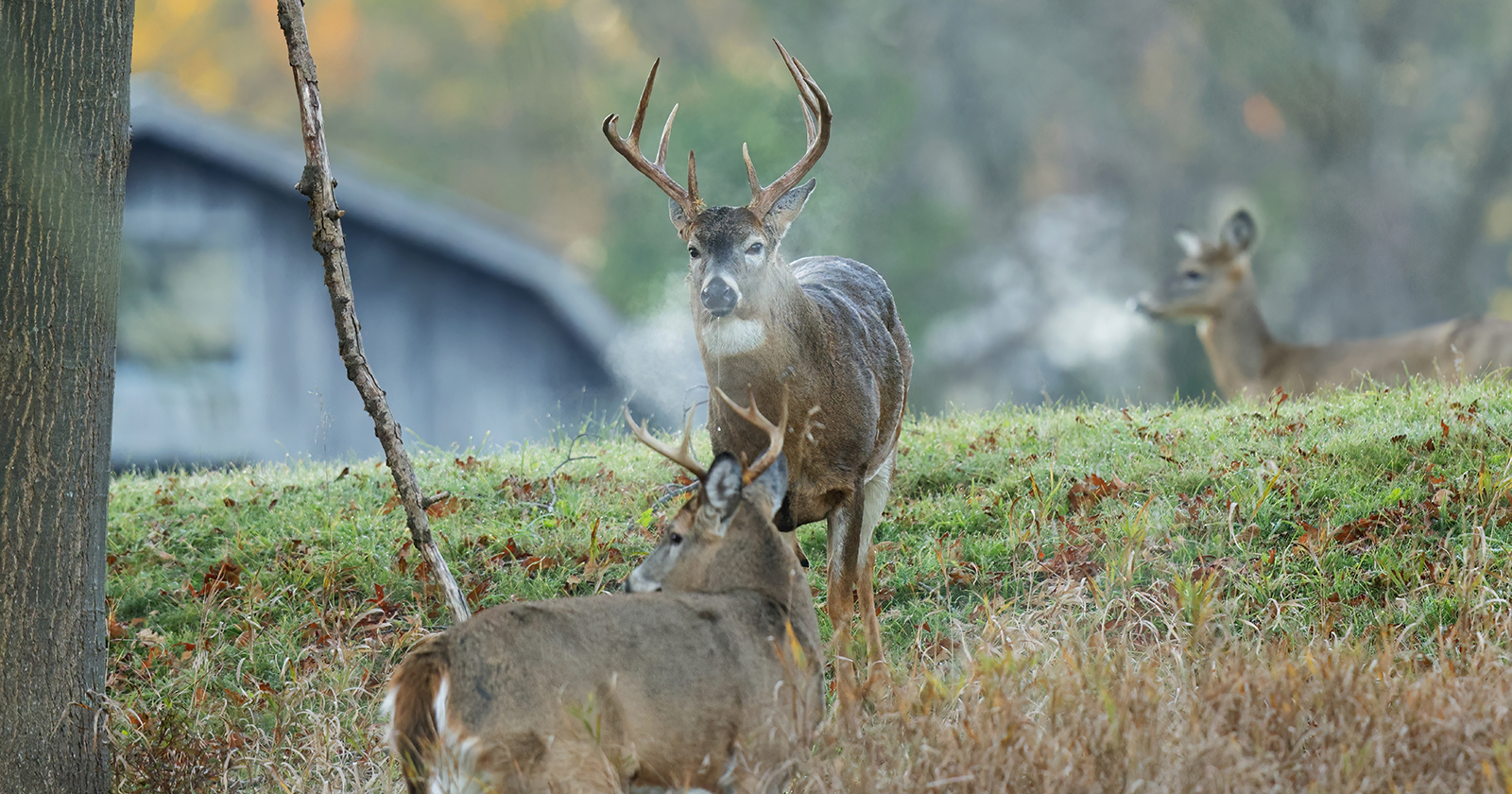
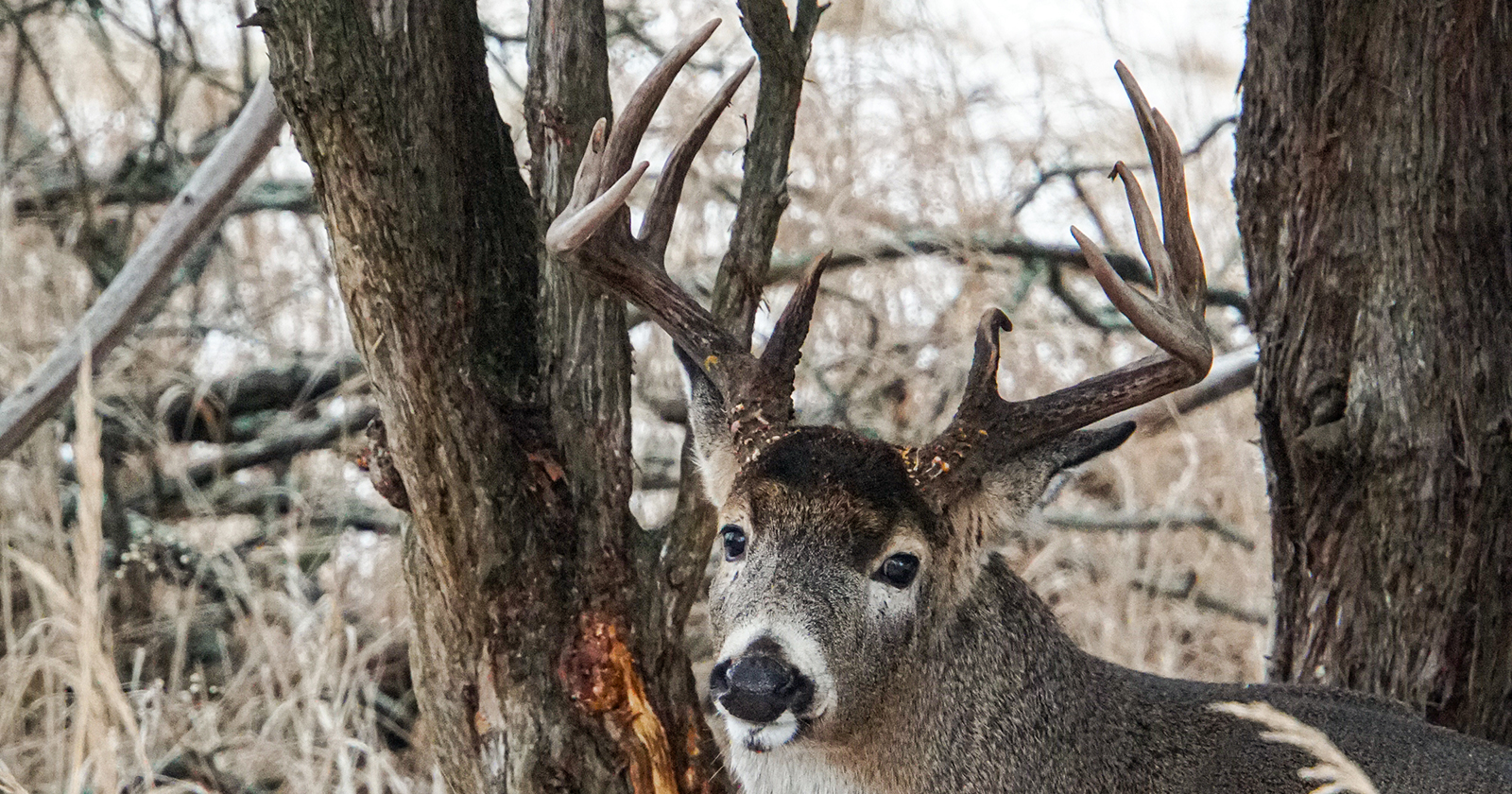
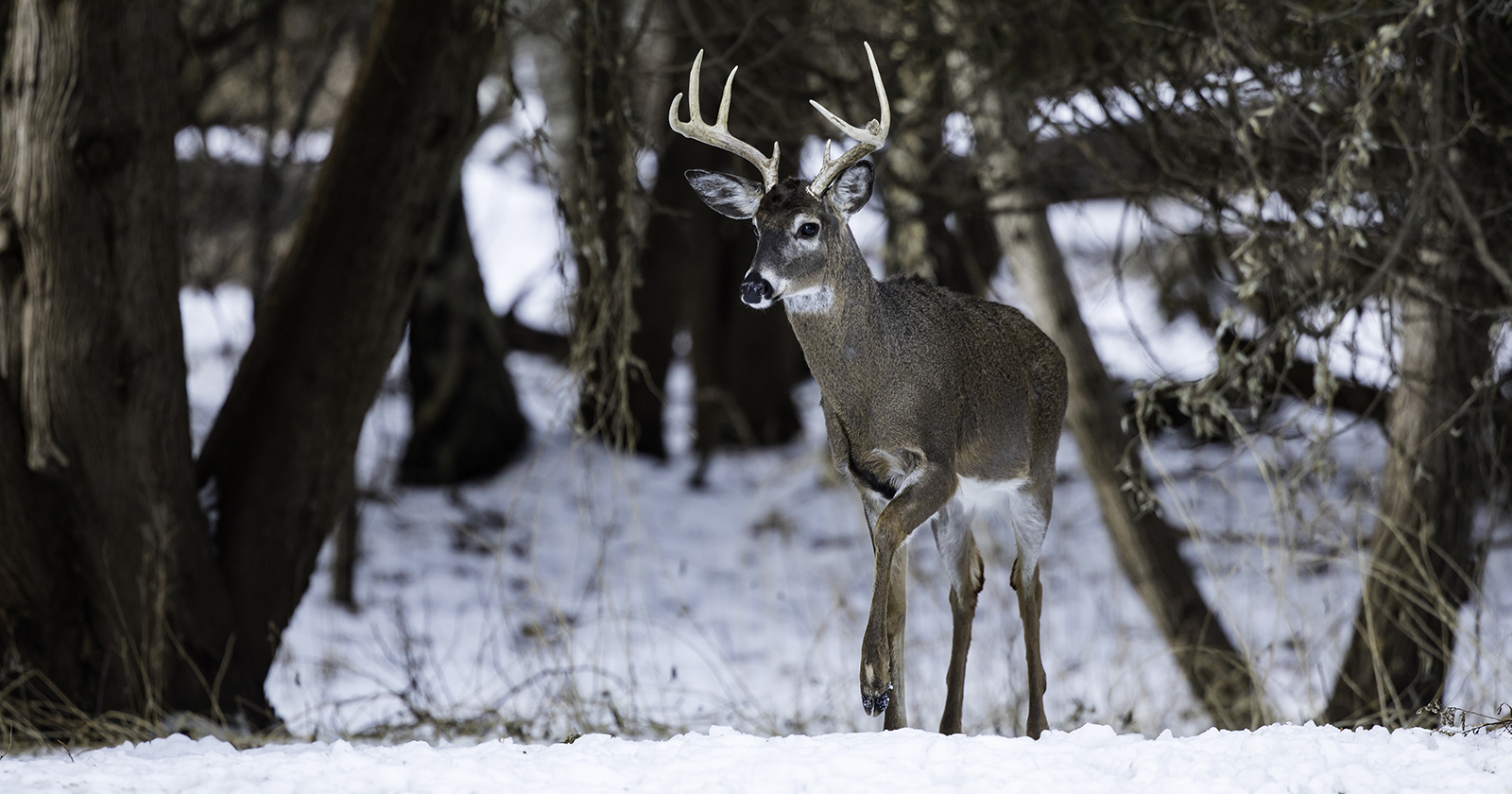
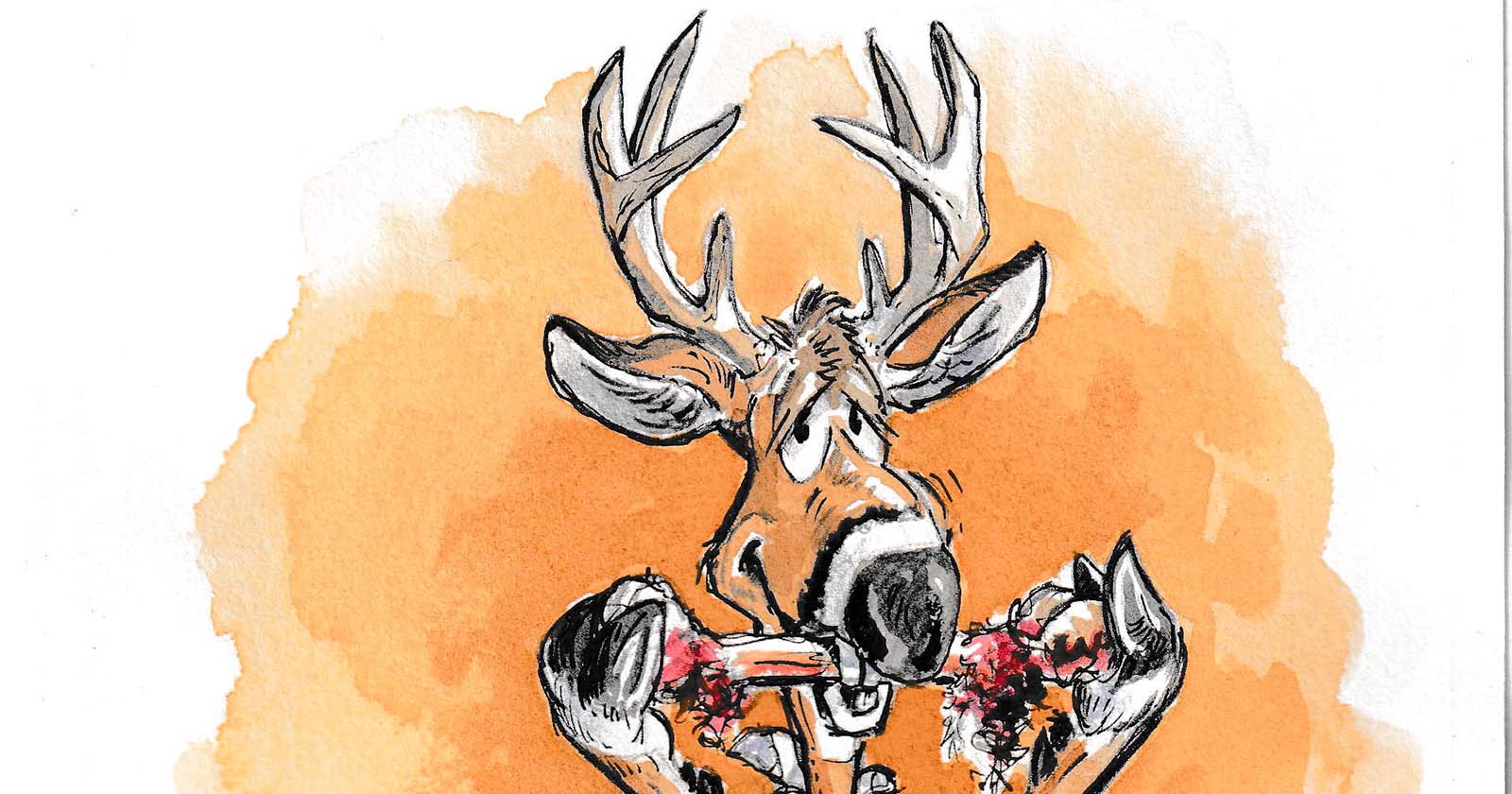
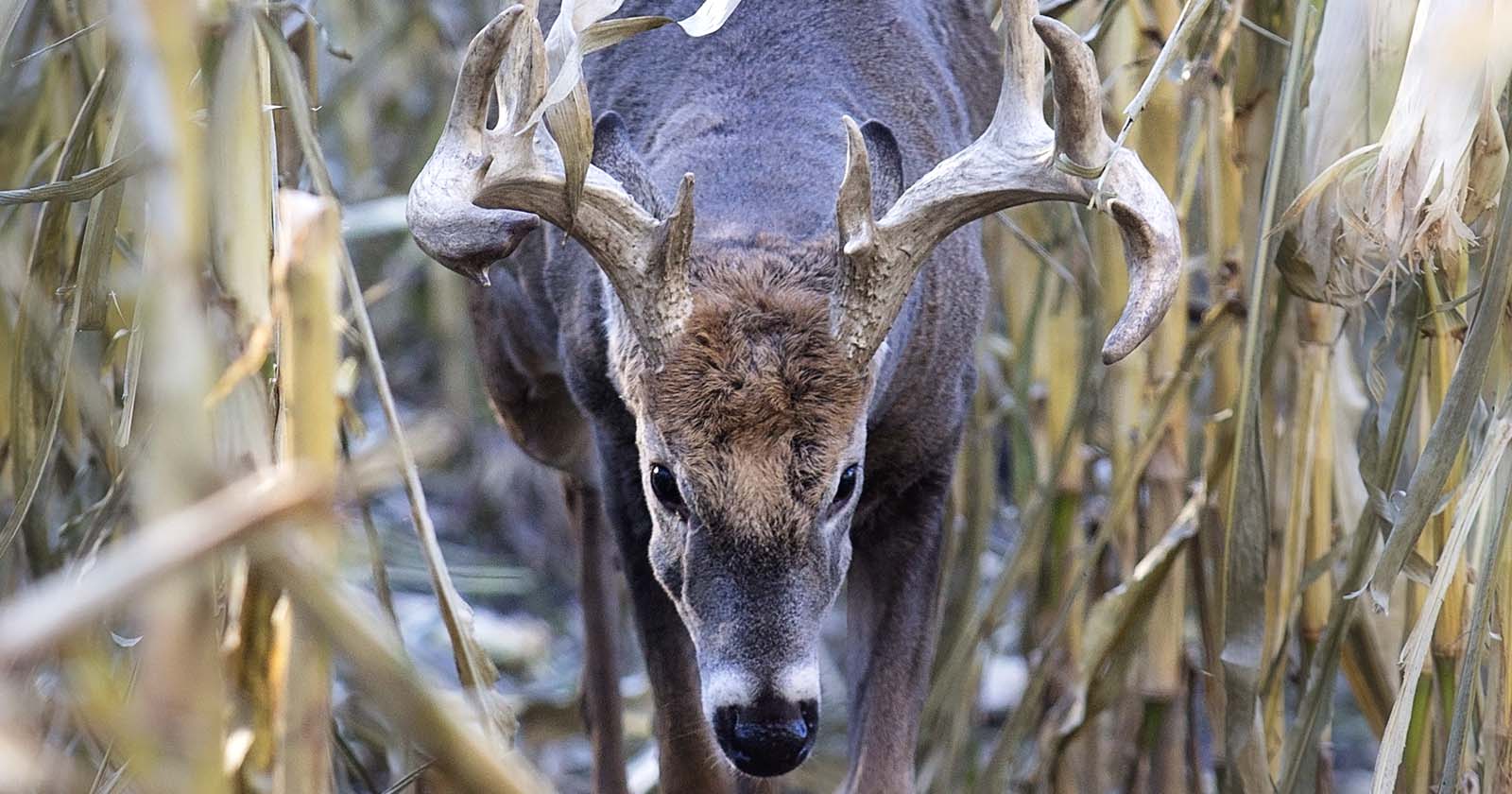
The federal government is tightening the rules for deer and elk producers in Canada in an effort to keep Chronic Wasting Disease (CWD) from spreading.
CWD was first detected in Saskatchewan in 1996 and continues to spread across that province and Alberta. Additionally, CWD has infected cervids — members of the deer family — in 22 U.S. states. It is a deadly disease affecting the central nervous system of cervids and there is no known cure or live test. It is always fatal.
The Canadian Food Inspection Agency (CFIA) recently introduced a voluntary herd certification program for deer and elk producers, which provides six levels of herd certification that animal purchasers use to assess CWD risk.
Herd classification program
As of April 1, 2018, the CFIA will only be providing compensation to deer or elk farms that are enrolled in the herd classification program. This is a positive step and a small victory for the OFAH and Ontario, which, to date, remains free of CWD. After years of OFAH lobbying for better CWD prevention measures, some improvements are being seen.
“This is only a tiny victory, and we’re concerned that the voluntary nature of the program ultimately undermines the potential success of the initiative,” says Mark Ryckman, OFAH manager of policy. “There are several other management actions that we’ll keep pushing for, including mandatory double-fencing at a minimum, and ultimately, the elimination of cervid farms.”
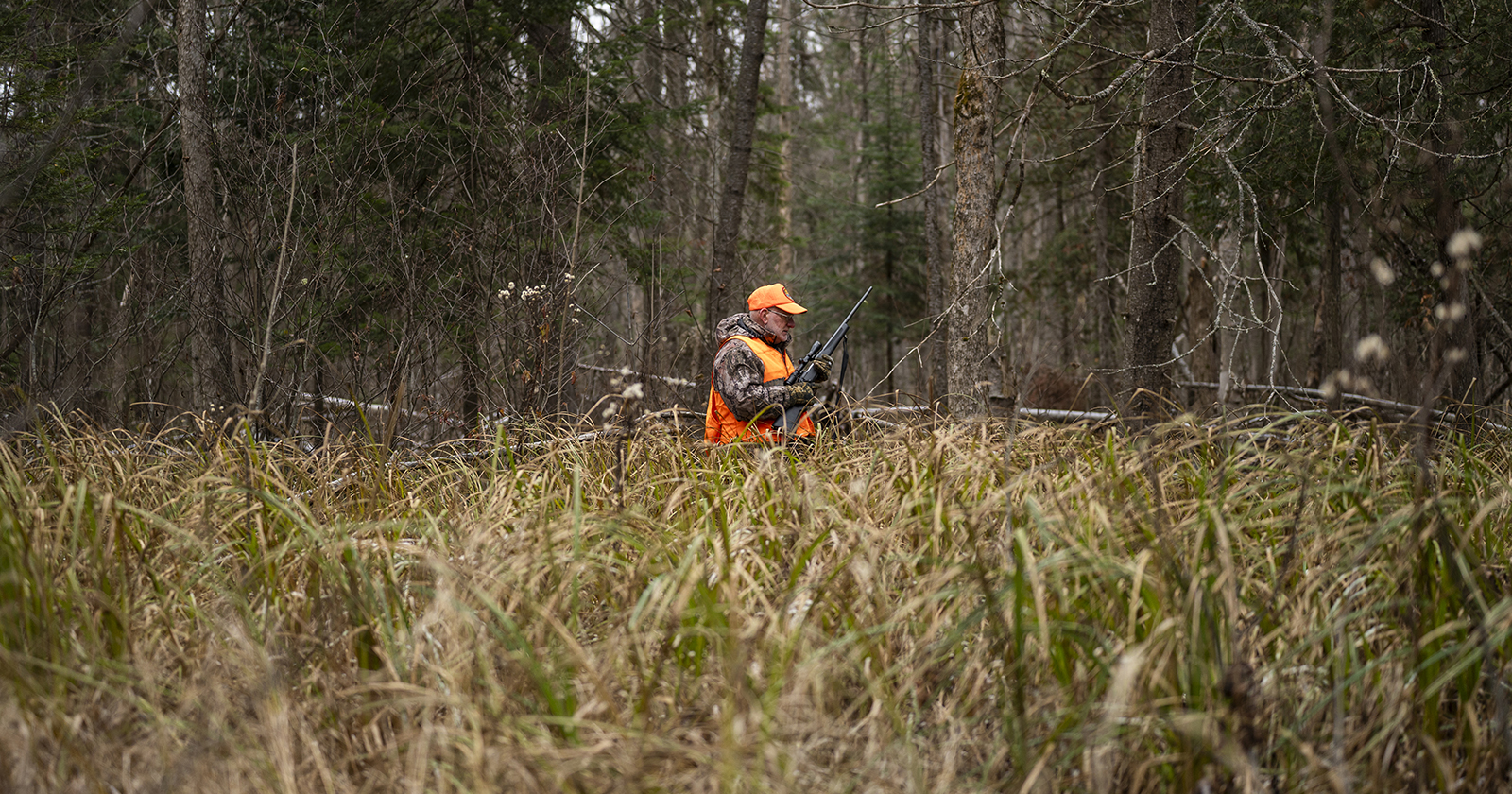
The OFAH helps to promote the CWD surveillance program each year by reaching out to hunters, who then donate samples for disease testing. This is yet another way that hunters contribute to the research and the management of Ontario’s wildlife resources.
Did you know: The OFAH added two new elements to our insurance program in 2018. As a member, you can now receive benefits related to lyme disease diagnosis and medical travel expenses.
Originally published in the June 2018 issue of Ontario Out of Doors
For more OFAH Insider click here
Click here for more outdoors news
Watch on-demand videos anytime on OFAH Stream