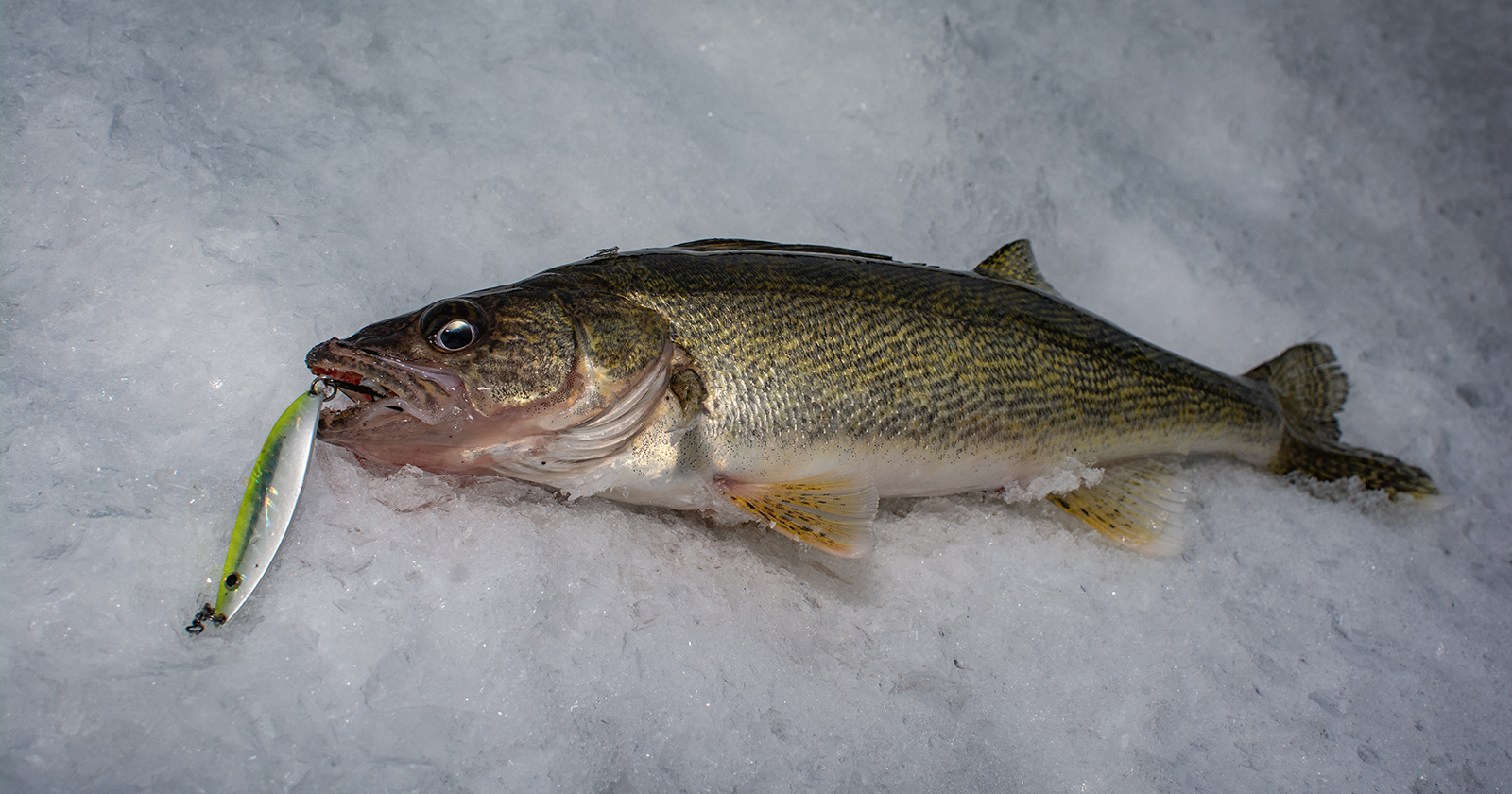
Power finesse might sound contradictory, but it captures an effective style of bass fishing that’s a hot trend. In a nutshell, these tactics represent a middle ground between two distinct bass fishing styles. One is power fishing, a fast approach focused on covering water and using medium to large baits to elicit reaction strikes. The other is finesse, which is typically slow, methodical, and involves downsized baits. Power-finesse blends these two styles, such as quickly fishing a small bait. Here’s what you need to know about this approach for hauling in smallmouth and largemouth bass. Why take the middle ground? Davis Viehbeck, a competitive angler from Thunder Bay, relies on power-finesse presentations to catch neutral and negative bass. He gives the example of bass that are relating to quality habitat in high boat-traffic areas, like navigation channels on busy cottage lakes. “Bass love these areas, but are often tricky to catch with some traditional methods due to the traffic,” Viehbeck said. Angler pressure is another consideration. Bass that are used to seeing big spinnerbaits whiz by or bulky, heavy flipping jigs crash through weedmats might not react with the same gusto as less pressured fish. Downsizing lures while maintaining a steady fishing pace is a good compromise and one way to catch pressured fish. Downsizing also applies when forage is small. Power-finesse tactics work well for mimicking small, but quick-moving prey, such as bite-sized crayfish, baitfish, and gobies. Those are just a couple of advantages. Here are several more reliable power-finesse tactics to try this season. Shrink your tubes Jig-and-plastic combinations are popular among power-finesse anglers. While 4- and 3½-inch tubes are popular for bass, Viehbeck says smaller tubes shouldn’t be ignored. “Throwing a 2½-inch tube, like the Berkley Power Tube, with a heavier jig head has been really effective for me,” said Viehbeck. “I upsize the weight of the tube jig head to around 1⁄4 ounce, or even a touch heavier, to allow me to toss the small tube to specific spots quickly and then move on.” Boulders, isolated patches of weeds, pockets in pencil reeds, floating docks, and swimming platforms are examples of where Viehbeck fishes a downsized tube. The bait’s fast fall triggers reaction bites from inactive fish. It also helps him cover water. FLW Pro Chris Johnston of Peterborough is also a fan of small, heavy tubes. He’ll use them shallow like Viehbeck, but also works tiny tubes