Get a better understanding of which fish you can keep and which need to be released
Why are there size limits on fish?
Size limits are a management tool the Ministry of Natural Resources and Forestry (MNRF) uses to help achieve the goal of sustainable fisheries. A lot goes into deciding which fish species catches will be restricted by size. Size restrictions may be specific to a lake, a group of lakes, or a Fisheries Management Zone (FMZ). One reason for variance is that relative fecundity (fertility) and growth of fish can vary, depending on average temperature and food availability in a particular system.
4 common types of limits
In Ontario, some species of fish are regulated by size, as well as by season and possession limit. Here’s how each of the four kinds of size limits work.
Minimum Limits harvest of younger fish, allows them to mature and spawn at least once
Maximum Protects spawning- size fish, harvest smaller, immature fish
Protected slot Protects spawning size fish (a middle range), harvest geared toward smaller and trophy fish
Harvestable slot Protects mature females (females grow quickly through the allowable range)
How are size limits determined?
Management objectives for a fishery can lead to size limits. In considering limits, biologists look at things like regulation complexity, consistency with neighbouring and adjacent FMZs, increasing overall yield, allowing the harvest of fish that are low in contaminants, and broad-scale monitoring program data. Once a recommendation is made to impose a limit, the MNRF consults with stakeholders through a public planning process, including engaging FMZ Advisory Councils, and various other groups
Which species have size limits?
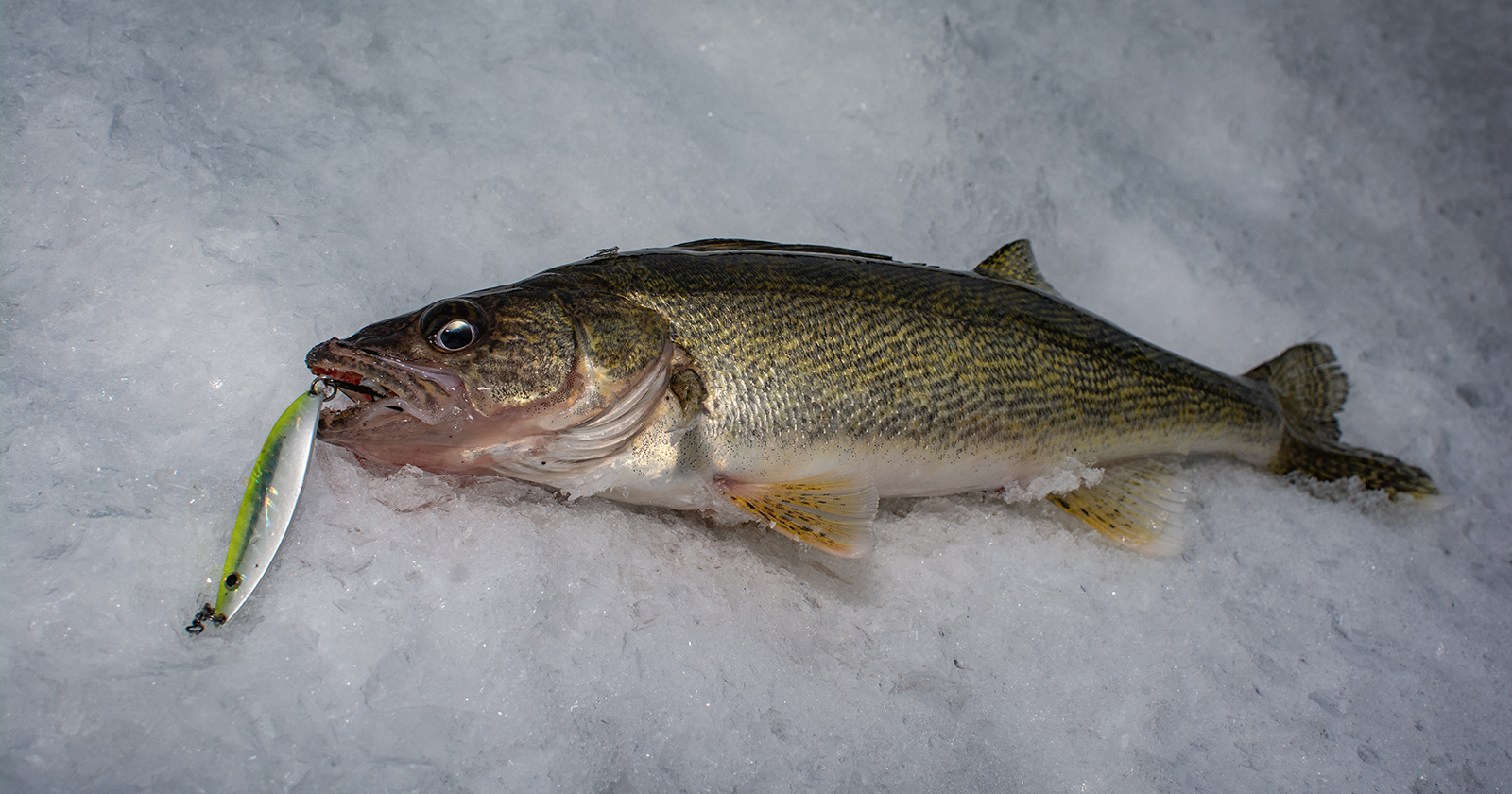
Typical species that might have size limits include: walleye and sauger brook trout lake trout muskellunge sunfish northern pike largemouth and smallmouth bass
Know before you go
Learn the regulations for the water you plan to fish before you start fishing. Don’t rely on smartphone reception to fill in the blanks on the water. Looking up limits after a fish is caught may lead to problems if it turns out that fish should have been immediately released.
Limits are place specific, so check the zone-wide limits and the exceptions (species and waterbody).
How to properly measure a fish
The 2019 Recreational Fishing Regulations Summary states: “All size limits refer to total length which is a measure from the tip of the mouth with the jaws closed to the tip of the tail, with the tail fin lobes compressed to give the maximum possible length.” This is a straight-line measure, not over the curve of the fish’s body.
Keep them legal
Fish that you catch and keep from waterbodies where size limits exist can be cleaned, but must be readily measurable at all times while you are on the water, with a few exceptions (See page 14 of the regs summary).
In addition, regulations say that all kept fish, regardless of size, being transported overland should be dead and transported on ice. Fish also need to be packaged so they are both identifiable (leave a large patch of skin and/or the head attached) and countable.
Caution
Flexible fabric measuring tapes may stretch from exposure to the elements or from use, so be sure your measuring device is accurate.
Originally published in the May 2019 issue of Ontario OUT of DOORS
For more fishing, click here
Click here for more outdoors news
Watch on-demand videos anytime on OFAH Stream