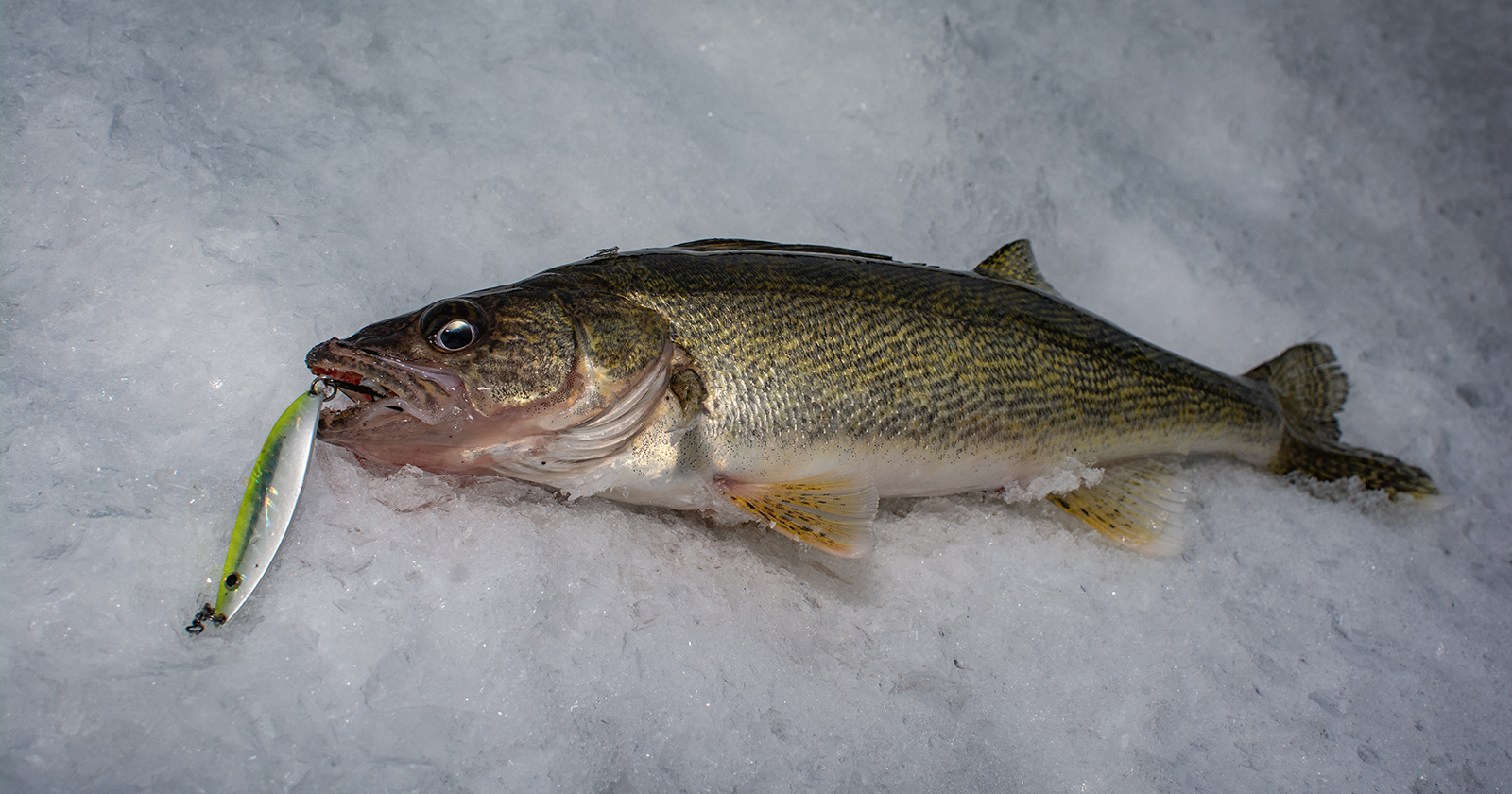
Working as a fishing guide in northwestern Ontario through my high school and university years, I did plenty of walleye fishing. They’re the species most people visit the region’s resorts to catch, so I learned a lot about walleye working a variety of waters. I used to float from camp to camp; I’d be on Lake of the Woods for a couple of weeks, then at a fly-in resort for a week or so, then at Wabigoon Lake. This worked well for me because I could set my own schedule and I got to fish different types of lakes and rivers with varying water clarity, depth, and forage. It definitely made me a better angler. Walleye fishing is so good across the Sunset Country Region we can often catch fish with artificial lures and soft plastics, but day in and day out, in any weather, live bait will put walleye in the boat. The big three — minnows, leeches, and nightcrawlers — each have their own time and place. Here’s what you need to know about using them. Minnows Because they are so readily available, minnows are the most common type of live bait used across Ontario. Throughout the open-water season, they can be found at most bait or tackle shops. Though a variety of minnow species are permitted as bait in Ontario, most of the time when we buy a dozen minnows at a bait shop we’re getting some type of chub or dace. Shiners are also available in some areas, and while they work well for walleye fishing, they’re fragile and tougher to keep alive. Sucker minnows are common in most areas and are often a little bit on the large side, so they’re a good choice when targeting trophy walleye. Where they shine I believe I could catch a walleye on a minnow every single day of the open water season. They’re the universal, do-everything bait in my opinion. They shine over leeches and crawlers in cold-water periods, particularly when baitfish are walleyes’ primary forage option. Early in the spring, through the first few weeks of the season, minnows will outfish everything else, small minnows in particular. This is because walleye are focused on eating smaller, young-ofthe- year bait, and they are usually lethargic following their rigorous spawning cycle. In the summer and into fall, large minnows, particularly sucker minnows fished on a Lindy rig, are a