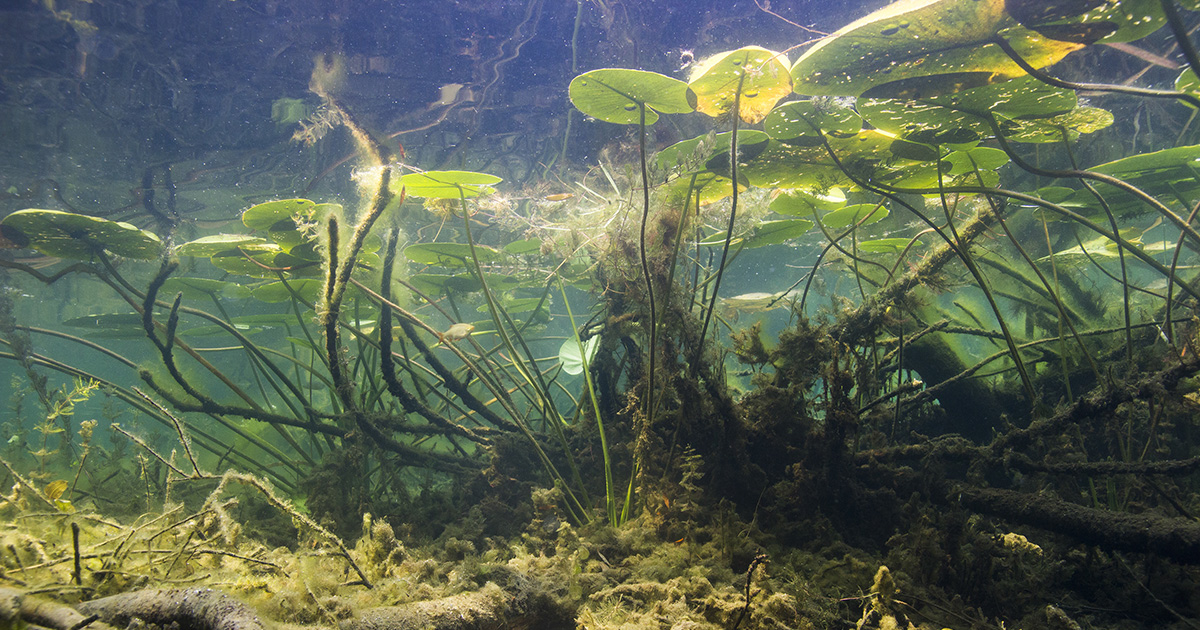
Many predator-prey patterns unfold in bass lakes during autumn. But the largemouth-bluegill connection is particularly significant. The locations of these two species often overlap, providing prime spots for anglers to catch giant largemouth. Here’s what you need to know to capitalize on this reliable late-season bite. Bluegill deliver big A decent-sized bluegill represents a substantial meal for a largemouth. OOD contributor and fisheries biologist Jason Barnucz recently emphasized the importance of panfish populations for supporting quality largemouth fisheries in the 2023 Fishing Annual. Here’s a quick refresher. “Most big southwestern Ontario largemouth feed on panfish, bluegill, pumpkinseed, and black crappie. Sure, there are golden shiner and other minnow species, but big fish want big meals and panfish fit the bill,” he said. Autumn is an excellent time to focus on this forage connection, as bass are feeding heavily in preparation for winter. Consistently catching large bass starts with finding areas that have concentrations of sunfish. Where they converge Weed growth is prime real estate for bluegill. Some of my favourite areas for fall largemouth fishing are expansive weed flats of milfoil, cabbage, and other vegetation in six to 14 feet of water, dropping into an 18 to 22-foot flat. These locations often feature humps, saddles, and islands within weed beds or adjacent deep water, adding structural complexity and increasing their appeal for bluegill and largemouth alike. The best habitats hold the biggest bass. For anglers, this means finding spots with multiple features, such as stumps and logs within weed flats. Boulders, chunk rock, riprap, and other sizeable stones are also important, as they absorb and radiate the sun’s heat, attracting minnows, bluegill, and largemouth. These rocky features, along with pea gravel and sand, break up weed growth, creating pockets and lanes where bluegill suspend and largemouth lurk nearby, ready to attack. Fishing weedlines is smart. Deep, outside weedlines often hold quality largemouth in autumn, and big bass favour weed points extending from the main weed flat into deeper water. Inside turns are another key feature, as bluegill like to linger in these spots. Lund Boats pro and angling educator Joel Nelson of Minnesota explains that inside turns offer sunfish security, providing cover from three directions. The school can suspend out of vegetation but quickly slip back into the weeds at the first sign of trouble, with slower fish falling victim to largemouth and other predators. Shallow, inside weedlines can be