
Anyone who spends time in the outdoors will at some point need to use rope. It’s an essential tool to have for many situations, whether it’s at a drive-to campsite or on an extreme backcountry adventure.
Having the knowledge and skills to tie even just a few variations of knots will make your experience more enjoyable and could even provide aid in a dangerous situation. These three knots are considered the most beneficial and versatile. Whether it’s camping, hunting, or canoe tripping, these examples are simple to tie and easily come undone after being used.
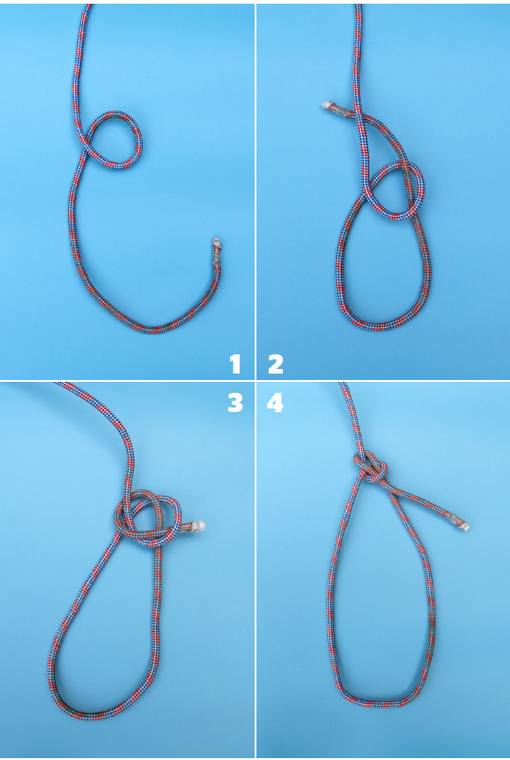
If there is any end-loop knot to master, this is it. This knot can be heavily loaded and will always come undone with ease. It can be used to hang packs, pull vehicles out of the mud and snow, or staking tents. You can also apply a connection device to the loop, such as a carabiner or winch hook.
How to tie it: Start by making a loop and give yourself enough tail with the end of the rope. Take your tail and come up through the bottom of the loop. Bring the tail around the back of the main line and then bring it down through the top of the loop. Finish the knot by steadily pulling it together tightly. You should be left with a loop and a bit of the tail once the knot is complete.
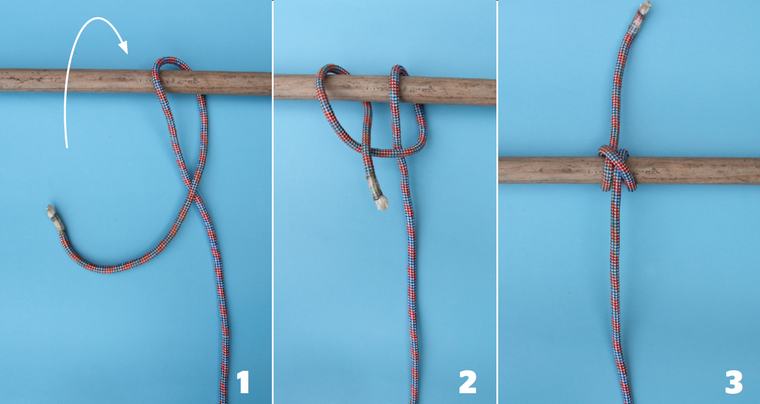
This is a cinching knot, meaning it binds on itself under load. Use it for anchoring to a tree, rock, or animal antler when retrieving downed game. The handy feature about this knot is that it can be adjusted to your liking. It can be used to install tarps, hang hammocks, and tie off a boat to a tree.
How to tie it: Take the rope end around the object you are hitching to and cross it over the remaining length of rope. Make another loop around the object and then pass the end of the rope through the loop you just made. Pull both ends of the rope to tighten the knot.
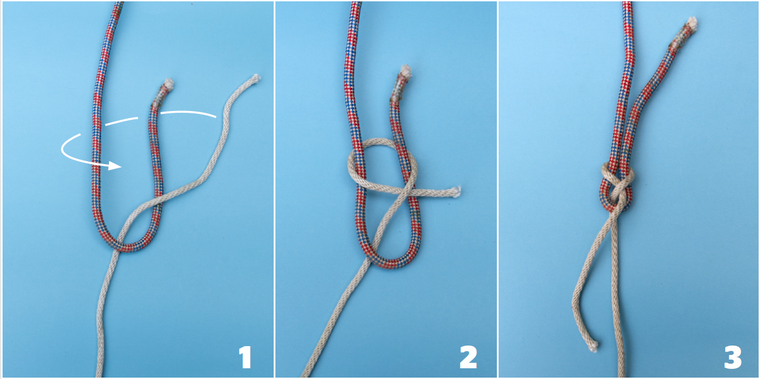
There will be a time when you need to make your rope longer and this knot is a great option for a rope-to-rope connection. The sheet bend will work for ropes of different sizes and materials and can also be used for a mid-line connection.
How to tie it (Joining a rope to a thinner line): Fold one end of the rope back on itself to form a U’ shape or what is called a bite. Take an end of the thinner cord and put it through the bite from behind. Wrap the end of the thinner cord around the bite of the rope, crossing over the short section of the bite first. Bring the end of the cord around to the front and pass it between itself and the short arm of the bite of the rope. Tighten by pulling on both ropes.
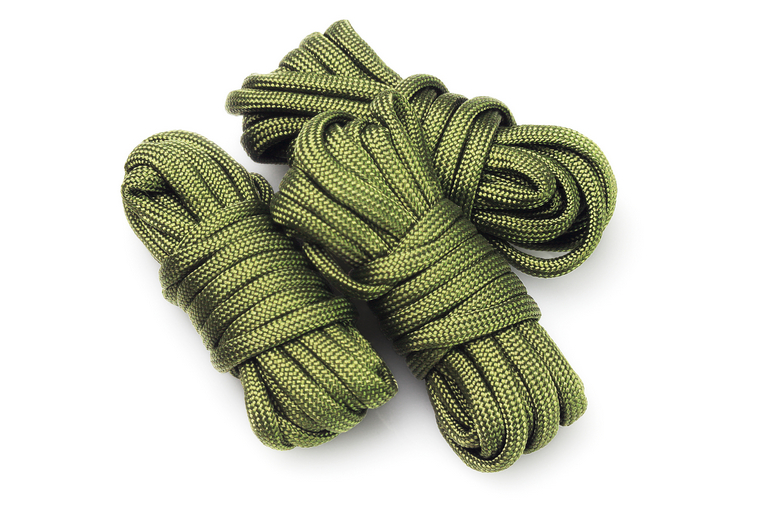
Use accessory cord, or paracord for your everyday campsite needs, such as rigging a tarp. These ropes are small in diameter, but offer great strength and durability. There are glow-in-the-dark cords, such as Sterling Glo Cord.
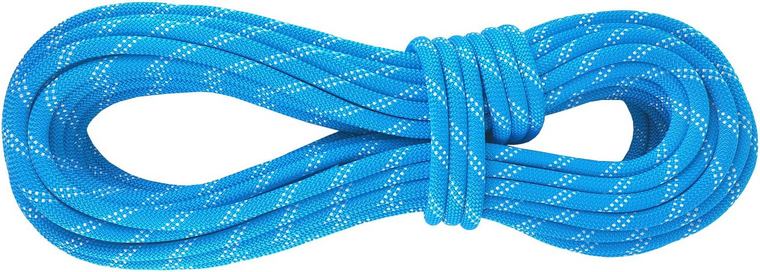
For heavy pulling, larger diameter, polyester ropes are the ticket. These lines are durable, have little to no stretch, and have a hefty working load limit. If you’re hoisting up gear or retrieving big-game, smaller diameter versions under 9 to 11 mm are adequate. If you’re pulling a vehicle, upsize to 12.7 mm or more.
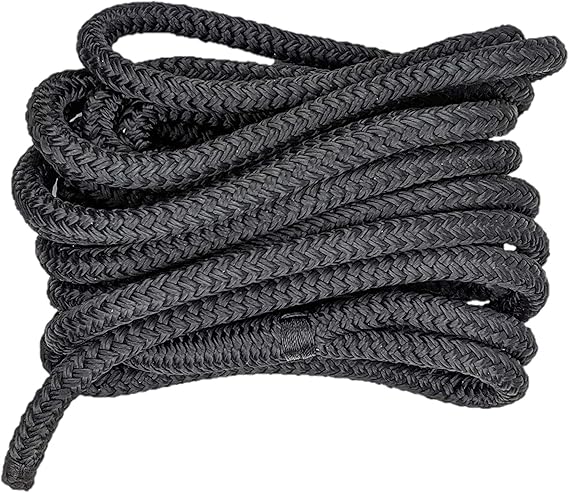
Cordage used for watercraft take a lot of abuse. Moisture, sun, and grime all take their toll. Use a double-braided nylon marine rope for this application. They have some stretch, good UV resistance, and tie easily. If you require floating line for rescue purposes, opt for a polypropylene material.
Originally published in the Jan.-Feb. 2025 issue of Ontario OUT of DOORS