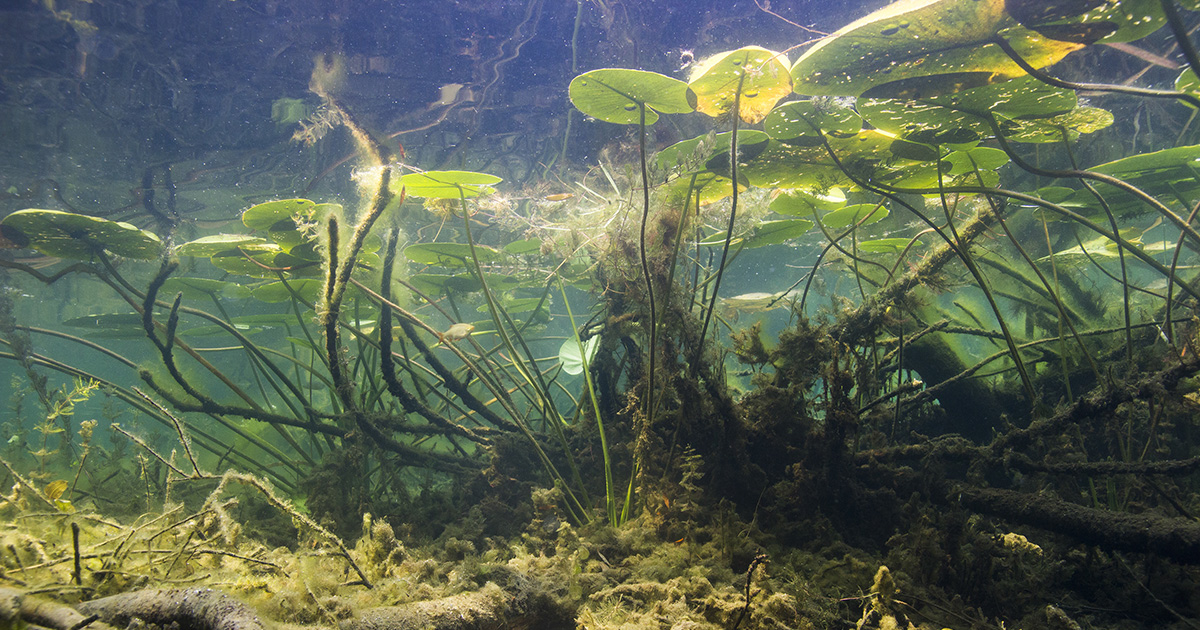
My household calendar was as empty as the calories in a doughnut. I had a big, blank window stretching across January and February. Days free of family vacations, doctor appointments, and oil changes. The only words inside it were “Ice” and “Fishing.” You could feel the lake trout, walleye, and perch getting nervous. But then mother nature got out her Sharpie and made her own plans. A green Christmas, followed by an extended January thaw, made the lake ice in my area as reliable as a truck from Honest Archie’s Used Cars. Fortunately, when Mother Nature closes a window, she often opens a door. That’s when I got out my own marker and added a bucket list item: catching steelhead in January and February. Striking out At this time of year, a lot is working against you. There aren’t many fish around, they aren’t voracious eaters, and you must work for them. The weather can be unpleasant, and the footing can be hazardous. The fish, however, are in the best shape of their river lives, and the angler who develops the skills to catch even one a day under these conditions has something to be proud of. My first trip was nothing of the sort. The best part of the day was that no one else witnessed my skunking. I had never been to the section of river I’d chosen after consulting the sportfishing regs. When I arrived, I was tens of kilometres from Georgian Bay, staring at what could only be called frog water. It was slow-moving, deep on one side, and featureless at the surface. I fished, struck out, and drove home hoping for a cold snap to tighten up the lakes. On the drive, I remembered a conversation at a fishing show with Jesse Wright who, among other things, guides anglers to winter steelhead. Several texts and a few days later, I was back at that same inscrutable stretch of water, listening as Jesse unraveled the mysteries of slow-water steelhead like a bird’s nest in a client’s centrepin, confident chromers were waiting. Seriously slowed-down For starters, he explained, these are not the same fish that hang effortlessly in a pool’s tailout in spring, or dart from behind boulders in October to grab salmon eggs. These are fish with a seriously slowed-down metabolism thanks to the 2 to 6°C water they live in. They don’t feed frequently, don’t