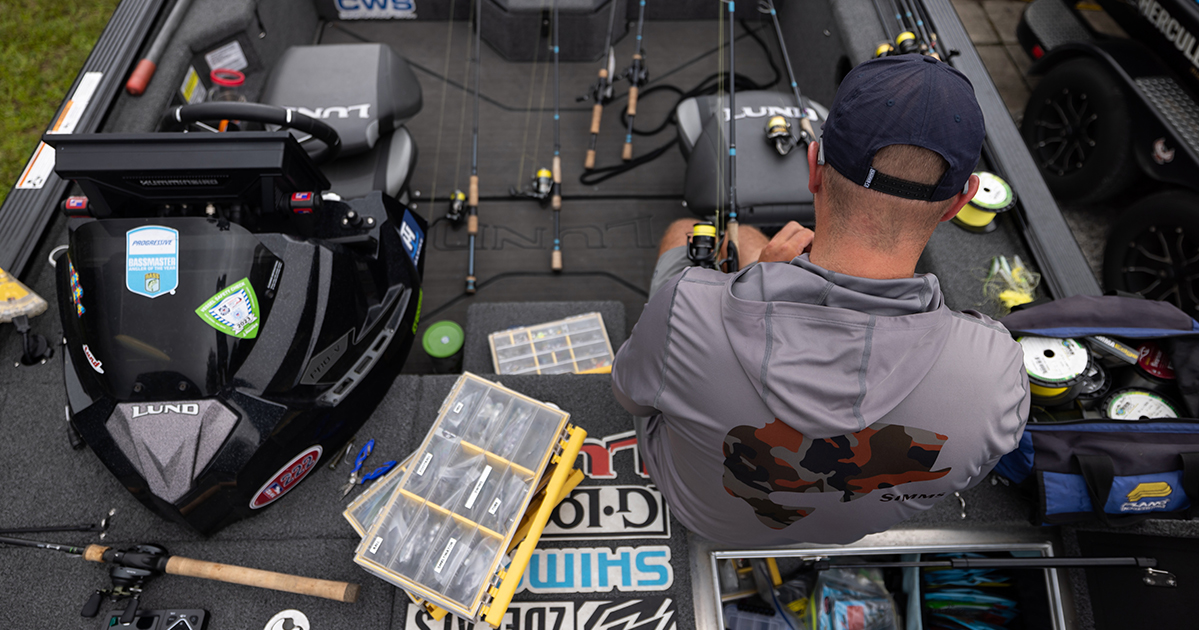
Ontario fishing means variety. One morning you could be on Lake Ontario trolling for lake trout or salmon, and in the afternoon, rip-jigging weed beds for walleye in the Kawartha Lakes. A well-rigged multispecies boat is essential to handle whatever Ontario waters can throw at you. Here’s what to know about size, layout, electronics, and must-have accessories. Hull choice The best all-around multispecies boat is an aluminum hull, between 17 and 20 feet. Boats under 17 feet feel cramped once you add partners and gear, while over 20 feet can be hard to trailer and launch on small inland lakes. A length of 18-19 feet with an eight-foot beam strikes the sweet spot — stable on big water, yet nimble for backwater adventures. Aluminum is versatile. Top brands like Lund, Alumacraft, and Princecraft balance strength, weight, and affordability. They often come with fishing accessory rails. Aluminum handles rough, rocky launches and shallow water better than fiberglass and is easier to tow. Fibreglass boats provide a smoother ride and are common among Great Lakes trollers or bass anglers, but for those splitting time between small lakes and big water, a deep-V aluminum is best. Horsepower Engine choice depends on how you fish, but most Ontario multispecies rigs in the 17- to 20-foot range pair well with a 115 to 200-horsepower outboard. A 150-horsepower motor offers a strong balance of speed, fuel efficiency, and load-carrying power for anglers who fish both inland lakes and larger bodies like Georgian Bay or the Great Lakes. If trolling is part of your routine, also get an eight to 15-hp kicker motor. Kickers sip fuel, run quietly, and provide a backup power source if the main motor fails. A bow-mounted electric trolling motor is essential for fishability. It lets you quietly cover water at controlled speeds, dissecting spots without spooking fish. A GPS-linked motor with spot-lock keeps you on a shoal, rock pile, or school of fish hands-free, saving energy and improving precision. Electronics A multispecies rig should include modern electronics. A minimum starting point is a nine- to 12-inch GPS/sonar unit with detailed lake mapping. For anglers who fish inland lakes and the Great Lakes, multiple units are ideal — one at the helm for navigation and another on the bow linked to the trolling motor. Bass tournament anglers often run multiple screens with live imaging, while Great Lakes trollers mount an additional unit at