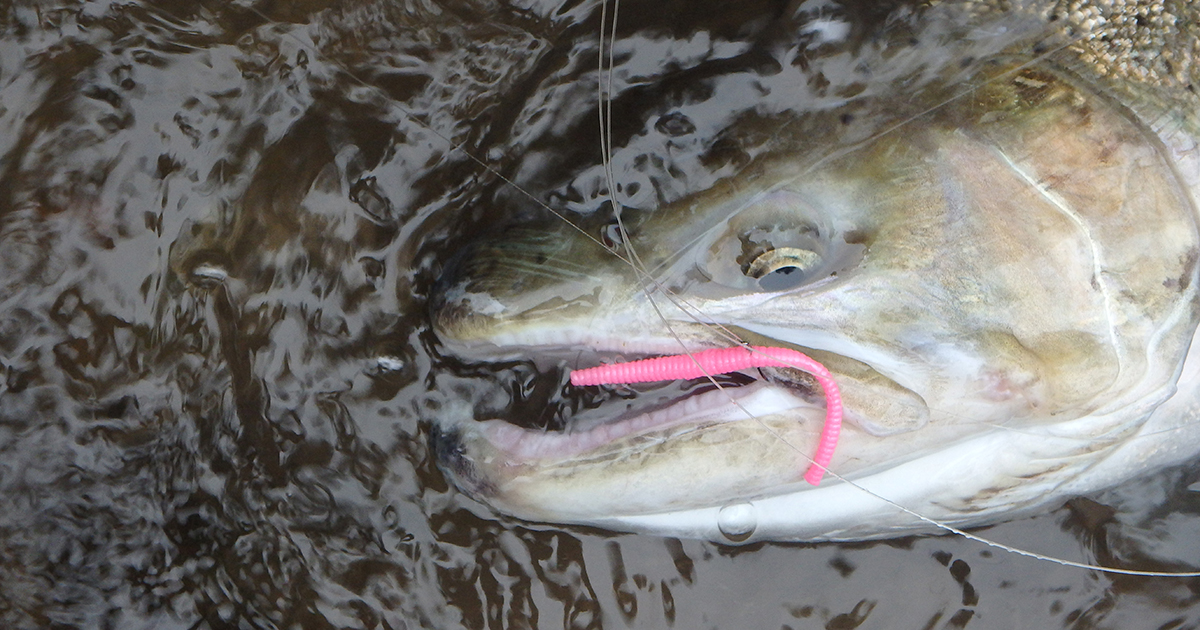
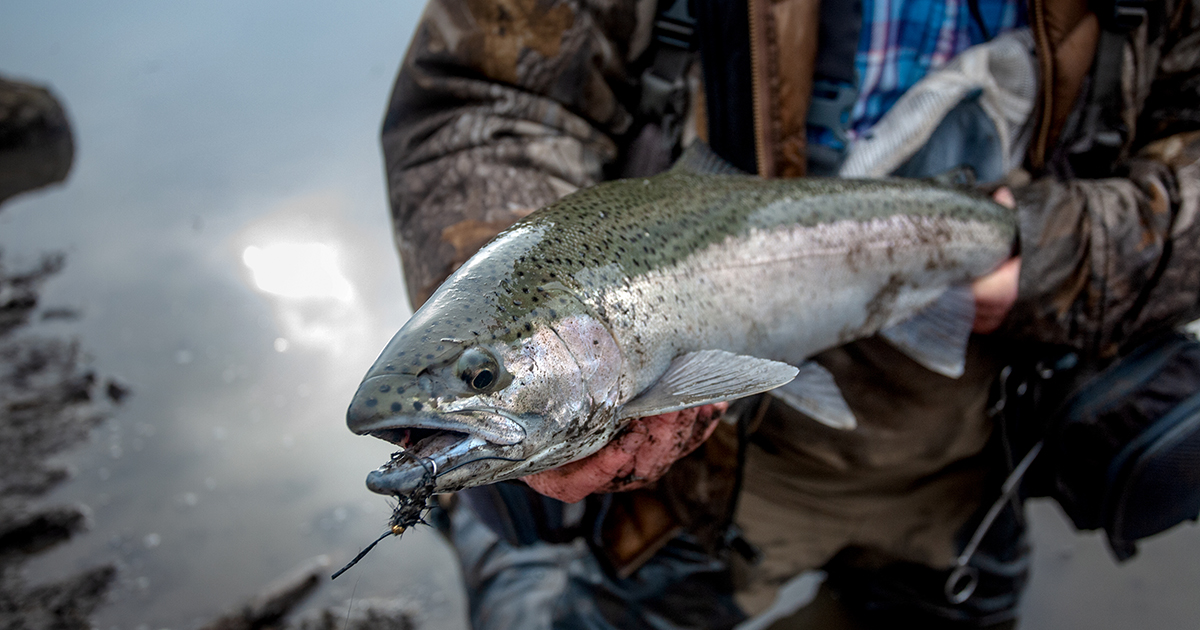
Catching quality panfish is the perfect blend of challenging, fun, summertime fishing. All you need is a light spin-fishing combo, a small assortment of baits, and an understanding of where portly panfish live during the warm-water period. Here are several reliable summertime spots where you can catch more and bigger panfish. Inside turns on weedlines Inside turns along deep weed edges are great spots for good-sized panfish. These cut-ins offer substantial cover and security from several directions, which help panfish evade predation. The site also provides feeding opportunities for baitfish, invertebrates, and other forage living within the weeds. It’s common for bluegills and pumpkinseeds to suspend high in the water outside weedline turns. Especially in sunny, calm weather when they are easily sight-fished. Perch and rock bass tend to be closer to bottom. What to use: •A 1/32- to 1/8-ounce jig head with a 1- to 2.75-inch soft plastic bait. Use the lightest jig you can for the depth you’re fishing. Panfish are easily duped by lazily falling plastic. Slowly swim it along the weedline. Pauses and drops help. •A small diving minnowbait for suspending fish. Slow reel it with occasional pauses. Long points Many big panfish go deeper in summer. Find points extending from fertile weedbeds to soft-bottom flats of 14 to 30 feet of water. This applies to points extending from shore as well as sunken points (aka bars) pushing off of a large structure, like a rock reef or a hump. The point acts as a corridor for rock bass, bluegills, or yellow perch visiting the shallower food shelf for baitfish and other edibles. Rock piles, humps, and other features add structural variety and can increase its appeal. What to use: • A drop-shot is deadly on points. A decent weight makes it easy to keep small plastic baits in the strike zone. Experiment with different tag end lengths. It may only need to be eight inches when fish are belly do bottom, but 36-plus inches may be the ticket when they’re suspending off the floor. • Vertically jigging a spoon or a Jigging Rap is another option, triggering reaction strikes. Bang the lure on bottom to stir up sediment, then raise it off the floor, and work it with a lift-fall-hold sequence. Isolated features on soft-bottom Solitary tufts of cabbage, clumps of other vegetation, and weed-covered reefs on mid-depth flats are other summertime hangouts. What to