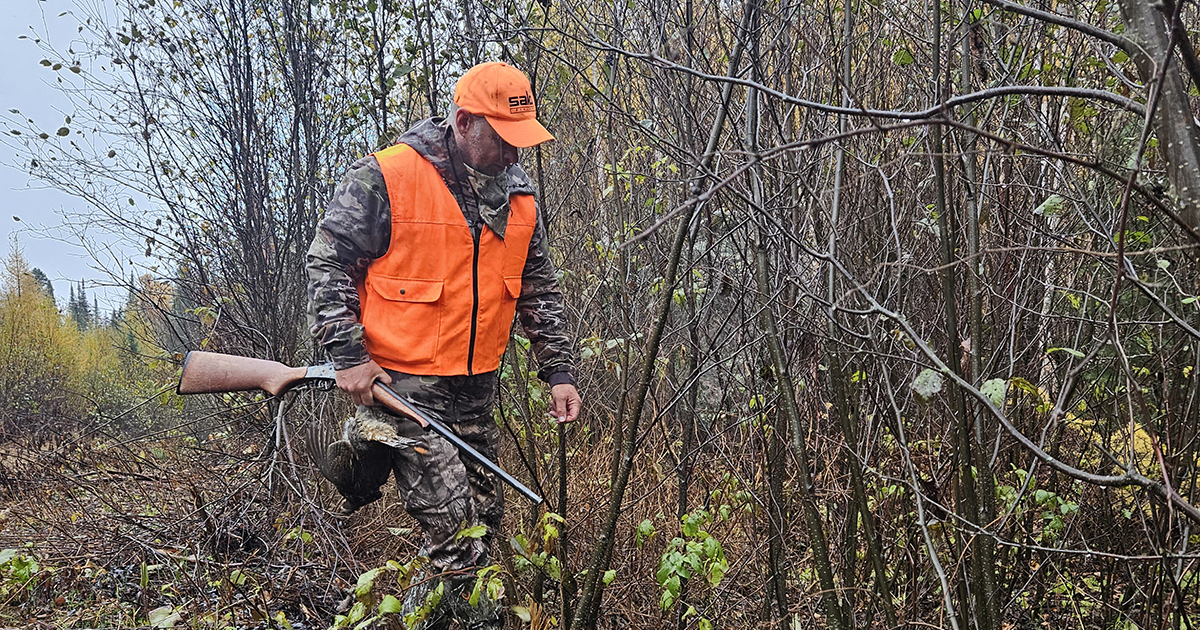
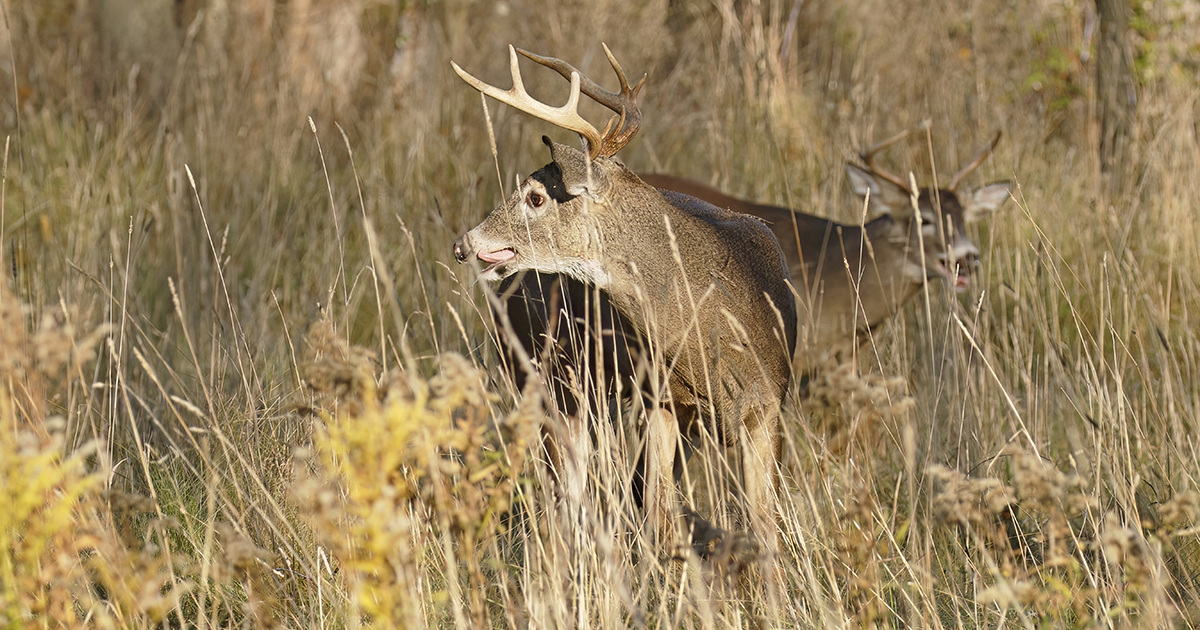
What is the best time of the day to target bucks? This is a question that many deer hunters have wrestled with over the years. Getting the upper hand on a buck is difficult even under the best circumstances. Add in our busy lives and limited free time, and choosing the right time to hunt becomes even more important. Here are some of my thoughts about buck movement through the fall — and the best time to focus on notching that tag. Morning Picture this: It’s quiet and dark as you slip into the woods. You’re in place 15 minutes before legal shooting light, and every sound seems amplified in the still air. The wind is calm. As the first light filters through the trees, you insert your clip and begin scanning. A squirrel scurries across the ground. Then, a snap. Another crack. The unmistakable sound of an animal approaching. It’s getting brighter. You catch a flash of antler — there, about 75 yards out, is a buck with his nose down and a thick neck. You slowly raise your gun, bring the scope to your eye, and find the shoulder. A breath. A squeeze. The buck crumples. The perfect morning hunt has played out just as many do each fall. This may be a fictional scenario, but it plays out in real life countless times every season. Many hunters swear by being out at first light, and for good reason. Bucks often move just before dawn, either traveling from nocturnal feeding areas to bedding zones or pursuing does during the pre-rut and rut. I’ve certainly had many successful hunts where deer appeared right at legal light. Morning hunts, however, do come with some risk. I’ve bumped deer off fields and trails while walking in. If possible, use trails that skirt tree lines or avoid wide-open areas. If you’re running behind schedule, consider stalking slowly into your stand instead of rushing. At first light, visibility is low, and deer may spot you before you see them. If the sun is already up, stop and inspect the land before heading in. Use your binoculars to scan openings and check for does. If they’re feeding, there’s a good chance a buck is nearby. Especially during the rut, bucks can be caught in the open after a long night of running. My very first buck came from a morning like this. I was