Nothing excites a tracker more than a fresh snow-fall. It wipes the slate clean, revealing recent buck activity. If you know what to look for, a mature buck’s tracks are easy to identify. Four elements help identify their track: size, depth, stagger, and stride.
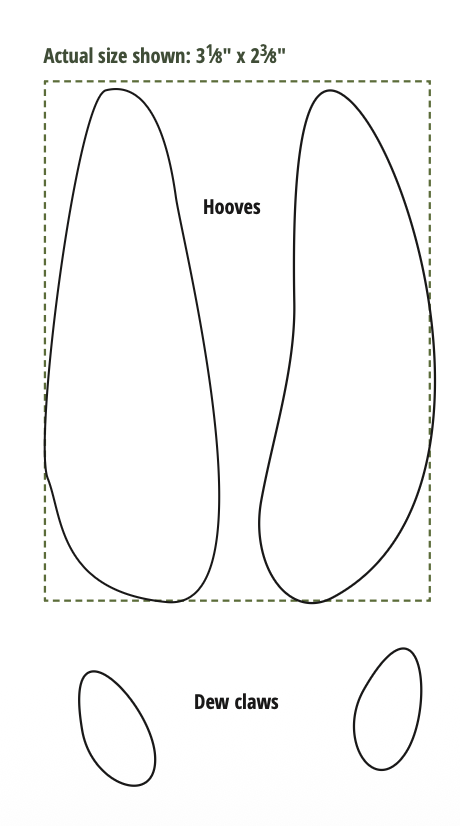
Size: I measure tracks with a ruler. In northern Ontario, anything eight by six cm (31⁄8″ x 23⁄8″) or larger likely belongs to a good buck.
Depth:A mature buck will sink deeper in the snow than a doe. Big buck prints are often splayed out and show dew claw imprints behind the hoof.
Stagger: Big bucks have wide chests and leave tracks spaced eight inches or more apart measured from side-to-side
Stride:Big deer have longer legs and long bodies which means that stride is longer. Typically, 22 inches or greater.
Snow conditions affect track clarity. Soft, wet snow leaves crisp, detailed prints. Powdery snow fills in tracks quickly, so the surrounding area becomes just as important as the track itself. Crystalline snow is the hardest to read where fresh tracks look like old tracks. Steady light snow can be quite helpful. How much snow has filled in the track can tell you how far behind you are.
Look for unique hoof features. These can really help sort his track out when it gets mixed in with other deer. It could be a chip in the hoof, a curl, or asymmetrical length.
A buck’s track reveals his mindset. Dragging feet may mean he’s tired and ready to bed. A straight, steady path suggests purpose. Meandering indicates foraging, and feeding often precedes bedding. Adjust your pace and approach based on these clues.
The track was classic: large print, wide stagger, long stride, and a telltale drag that resembled a cross-country ski trail. He had made those prints that morning in freshly fallen snow. A wave of excitement and anticipation washed over me. I had found what every tracker dreams of — a fresh track from a mature buck.
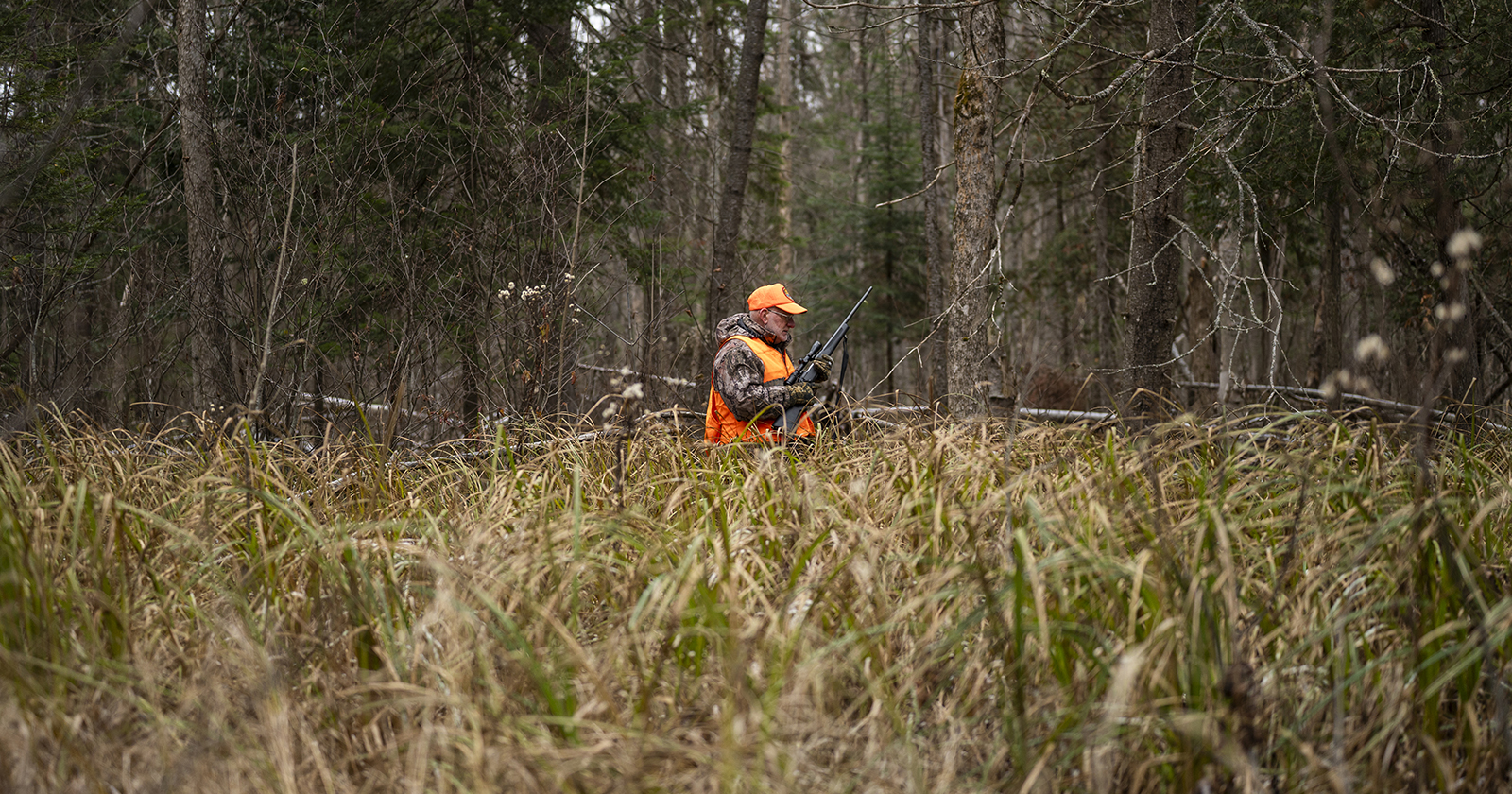
The buck had walked a straight line for approximately three kilometres. When he began to feed, I knew he was close. I slowed right down, scanning for any sign between steps. Something caught my eye to the right. I turned slowly and saw him bedded on a knoll, watching his back-track. As he stood, I raised the muzzleloader, settled the peep sight on his chest, and squeezed. The buck fell in his bed.
Originally published in the For the Love of Whitetails Nov.-Dec. 2026 issue of Ontario Out of Doors