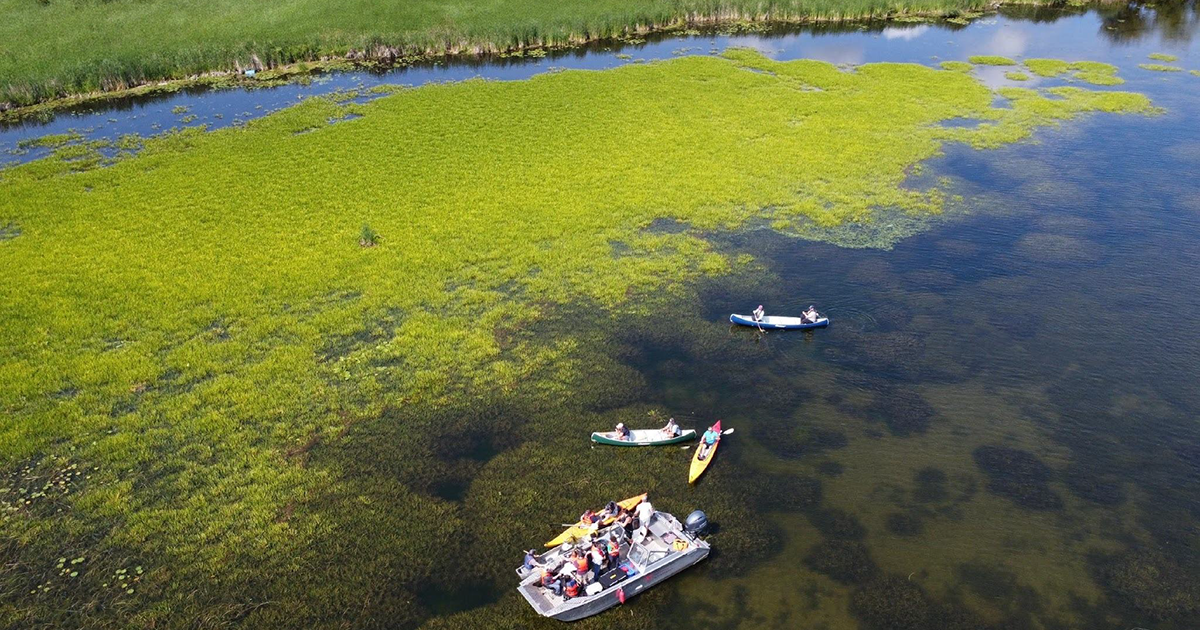
Changes to hunting access are being considered for a small part of Luther Marsh, near Orangeville.
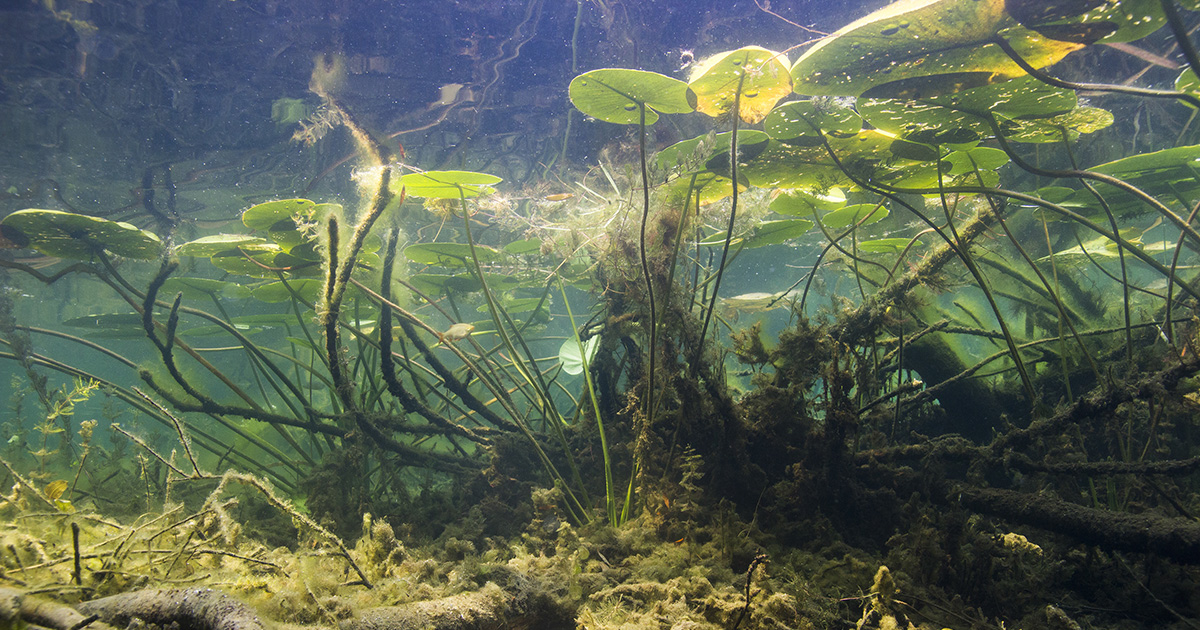
Restricting hunting in the Wylde Bog portion of the marsh is one option on the table for addressing concerns about public safety, emergency access, and the protection of rare flora and fauna.
Luther Marsh is owned by the Grand River Conservation Authority (GRCA) and the MNRF.
“The considerations with respect to the Wylde Bog area will have no impact on hunting in the main pond area,” said Cam Linwood of GRCA.
He explained that the bog is remote and is only used by a small number of hunters each year. “This is a very inaccessible area for vehicles and boats, making it particularly difficult to respond to an emergency situation,” he said.
Although user fees are a small portion of Luther Marsh’s total revenue, hunters pay a large percentage of those fees. Linwood does not foresee that revenue decreasing if the proposed changes come to fruition.
A steering committee looked at possible solutions at a November meeting and will review the matter with GRCA in the coming months.
Originally published in the Jan.-Feb. 2018 issue of Ontario OUT of DOORS
For more hunting, click here
Click here for more outdoors news
Watch on-demand videos anytime on OFAH Stream