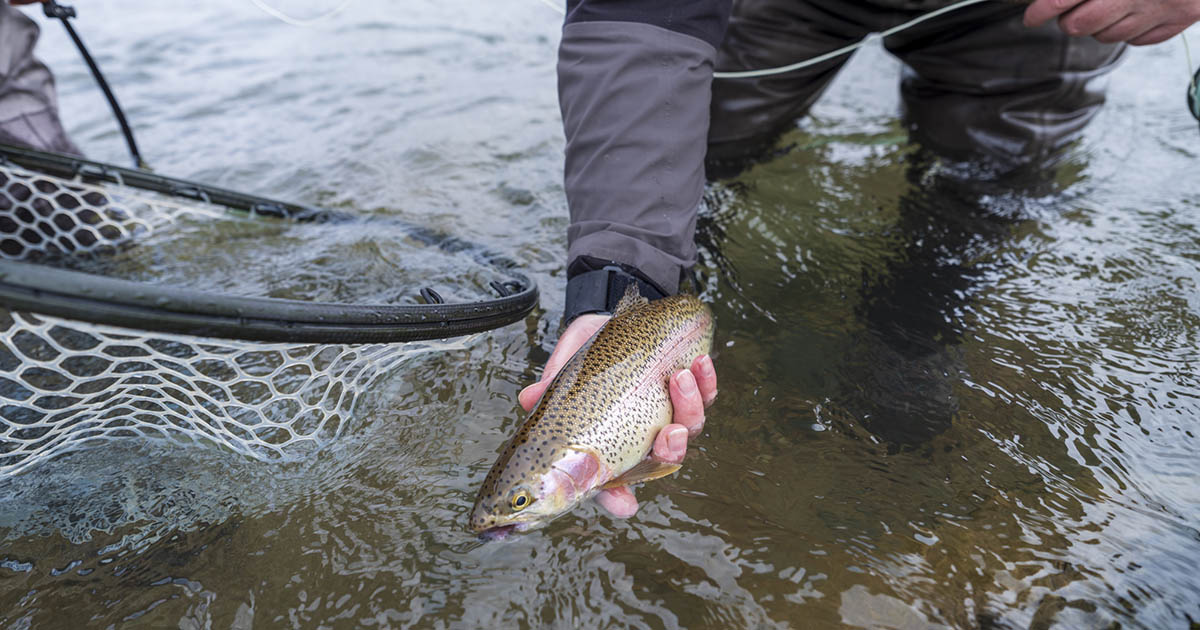

Q: I was fishing in a lake stocked with splake. When cleaning our catch, we noticed a few of the fish had eggs in them. My understanding was that splake don’t reproduce. What gives?
Ralph Reeves, Mount Forest

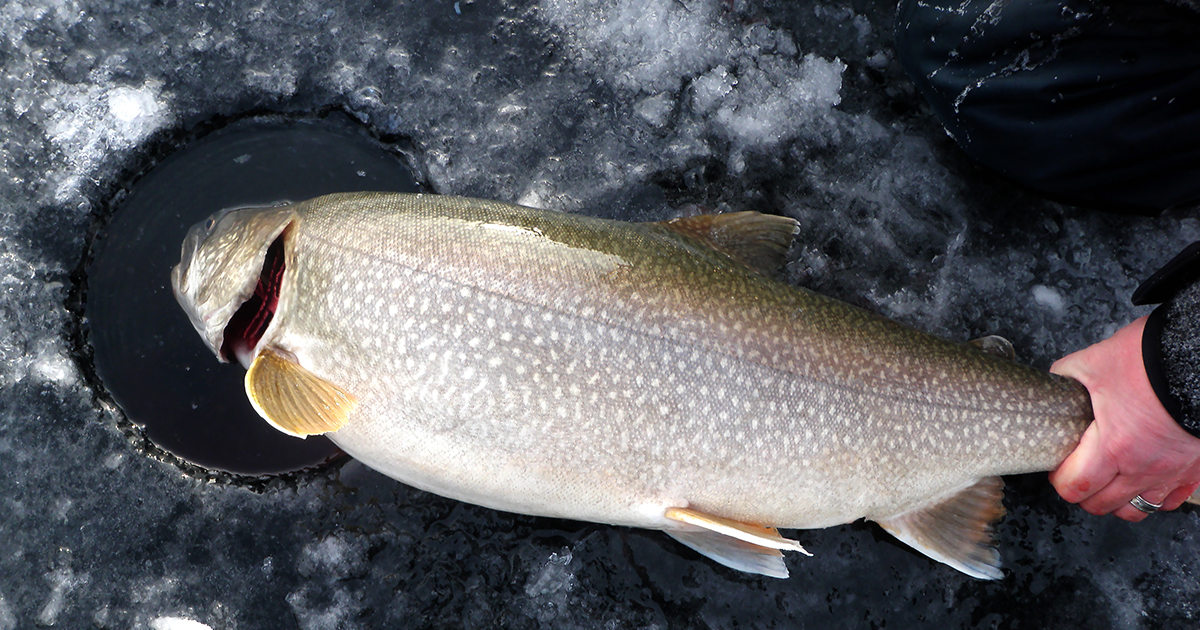
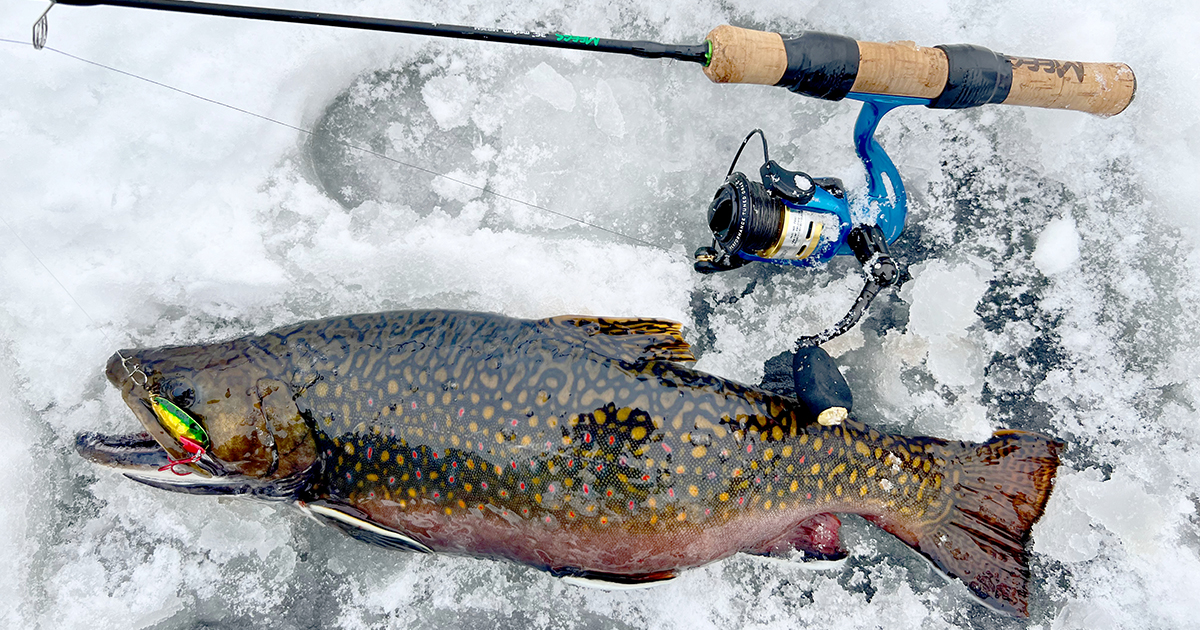
A: Adam Weir, Fisheries Biologist with the Ontario Federation of Anglers and Hunters responds: For those who may not be aware, splake is a hybrid between a male brook trout and female lake trout. Generally, splake are considered sterile but they can, very rarely, reproduce. Same with tiger muskie — most of the time they are infertile, but sometimes not. Because of the very reduced fertility, there is little danger or concern of them spawning with native lakers or brook trout. Splake are funny too, because they can behave more like a brook trout in certain waterbodies and, in others, more similar to lake trout. For anglers targeting them, it’s an important thing to keep in mind when you’re chasing after them.
Send your questions by clicking here
Originally published in the Jan.-Feb. 2024 issue of Ontario OUT of DOORS
Please check the most recent Ontario hunting and fishing regulations summaries, as rules and regulations can change