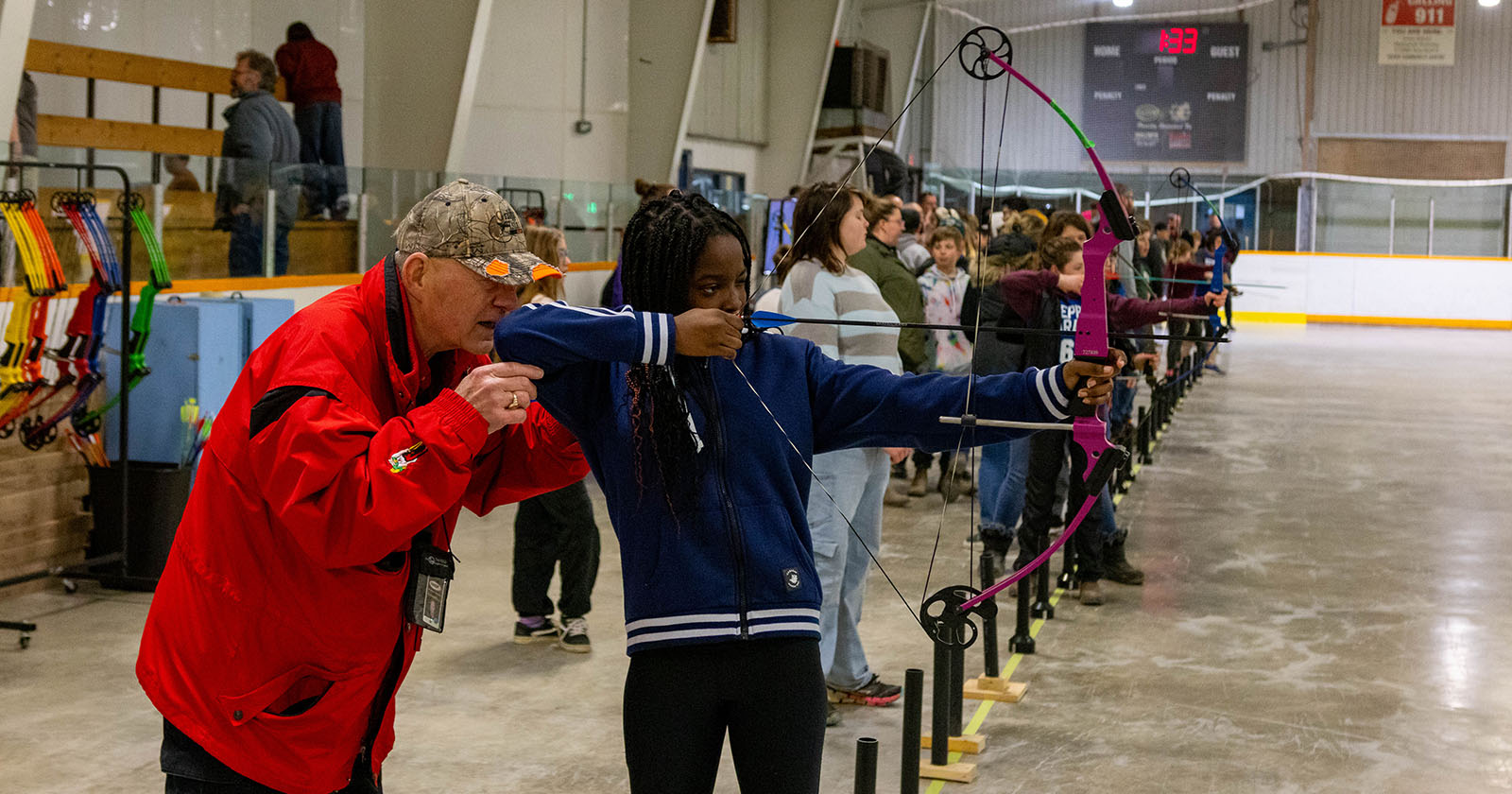
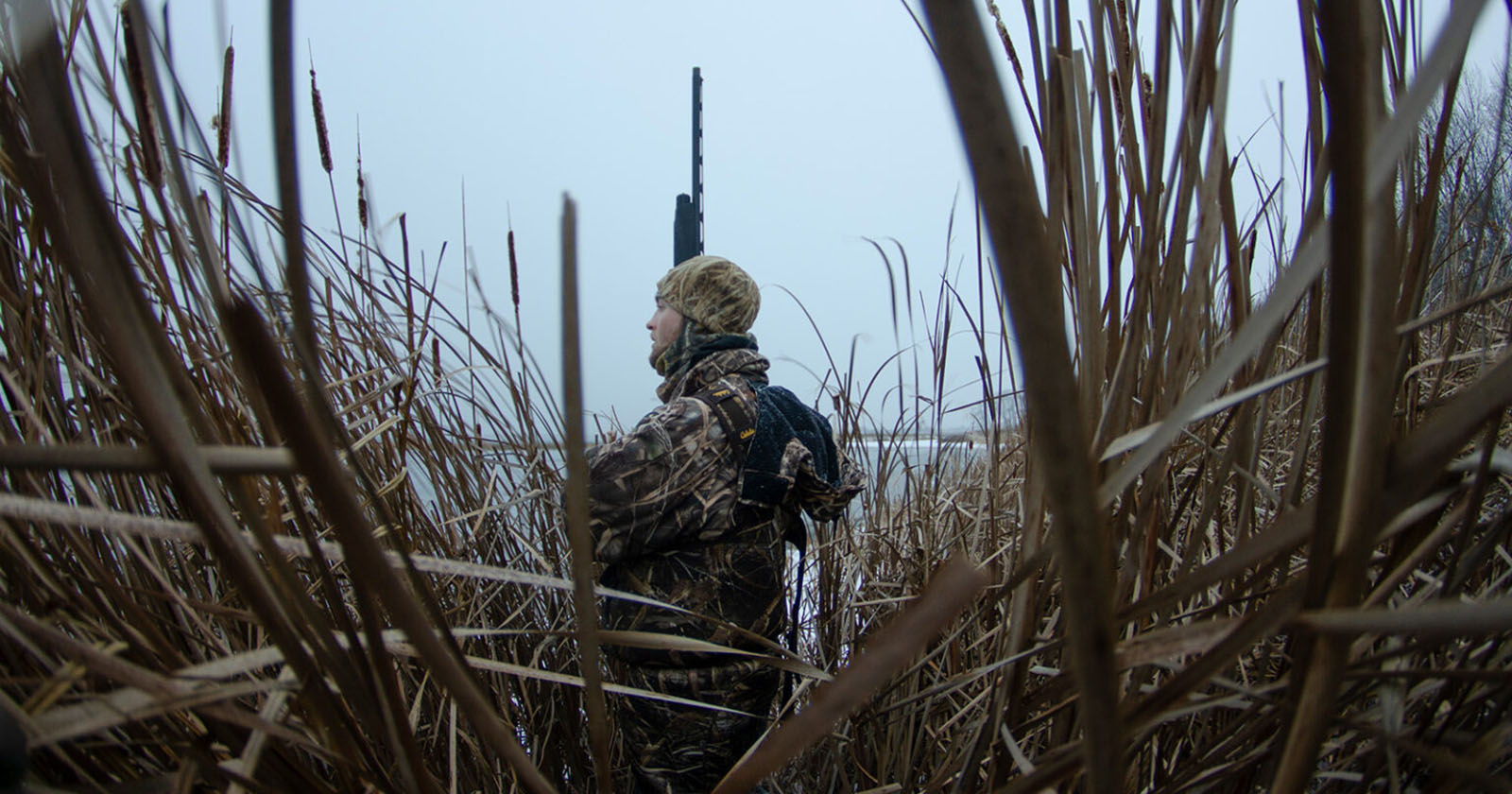
Learning curves follow a similar pattern across most disciplines. A novice to a sport, field, or other endeavour usually starts with learning the basics, then gradually making their way to higher levels. Waterfowling is no exception. For example, a duck call with video instructions can accelerate the learning curve for a novice through constant practice. Learning how to call ducks leads to the need to recognize different species and their calls when the birds are in flight. Early beginners emerge as competent participants, before moving on to become proficient players. Proficient players intent on learning become “students of the game,” focusing on strategy, tactics, and how the game is played, and what they can do to improve it. These high flyers in the duck world may become leaders in our waterfowling culture and experts in our field. Most waterfowl hunters learned their craft at the knee of a parent, relative, or friend. Few young or even older hunters start out entirely on their own. Nowadays, organizations like the Ontario Federation of Anglers and Hunters among others, offer shooting skills instruction, and actual mentored hunts, along with safety training. Three goals of your development Recognizing patterns: Discovering patterns in nature is a first step in the learning process. For example, experienced waterfowlers are constantly watching for changes in bird behaviour. Once the birds set up a pattern of use in say, fields or on the water, hunters will target that pattern. Recognizing patterns and shaping intuition through experience is how humans learn. Intuition patterns: Intuition is about assimilating patterns of prey vulnerability in your memory bank. Through intuition, hunters can recall lessons learned over decades of hunting, and incorporate the most likely course of action for a successful hunt. Situational awareness: being aware of your position in space and time. The hunter with a high sense of situational awareness becomes part of the landscape and fully aware of what is happening around them. These are focused individuals, taking information and assimilating it with their current knowledge to make better decisions. 1. Novice The stage one waterfowler looks to the advice and support of others for their first opportunities to hunt waterfowl. Usually, these are people they know. The novice seeks advice and does not question it, as their sources of information are often people of influence among their families, and friends. Novices pitch in to help wherever they can and ask endless