
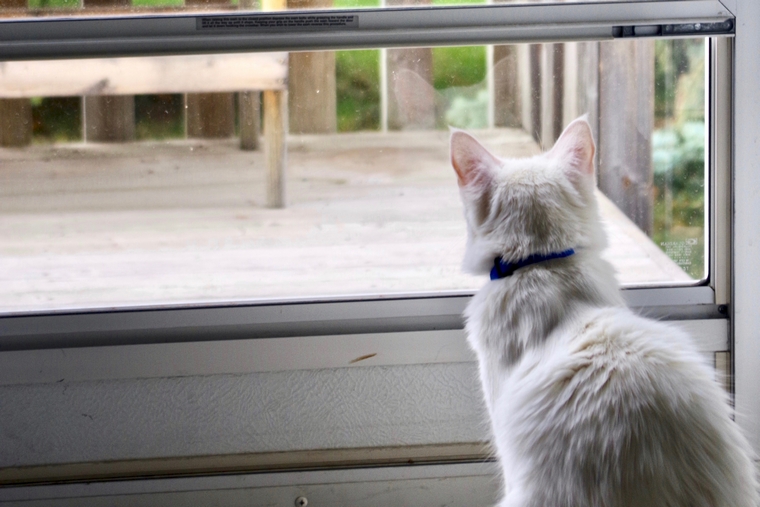
When I was in my early 20s, I scooped a small, sickly kitten out from the busy corner of a farm shed. I took it home and, just like that, stepped into one of conservation’s most controversial, and important issues: cats.
As a beloved house pet and invaluable pest control tool, domestic cats have followed humanity to every continent in the 9,000 years since being domesticated. Today, there are between 110 and 140 million cats in North America alone, about half of which are wild, or “feral.”
The problem is, domestic cats are tremendously effective little hunters. In fact, researchers have found that whether or not a cat is fed has little to no impact on its hunting habits — it’s just instinct. Add to that an exceedingly high reproductive rate, the unique ability to thrive near human habitation, and a general demeanor that screams “don’t you dare try to eat me,” and you’ve got yourself the quintessential invasive species.
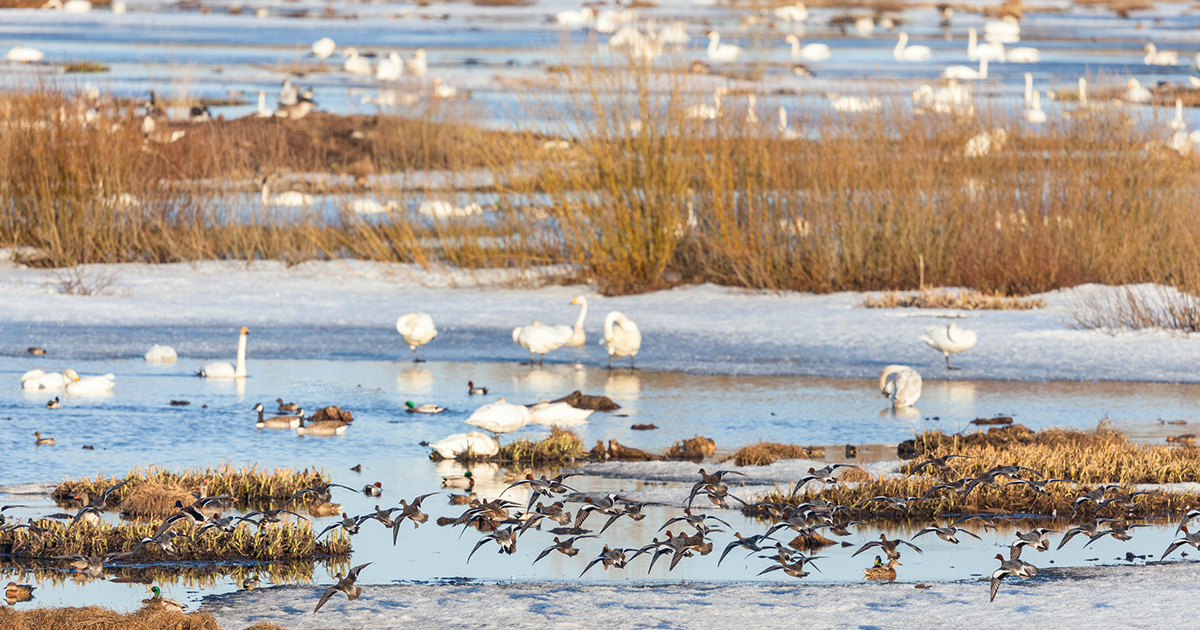
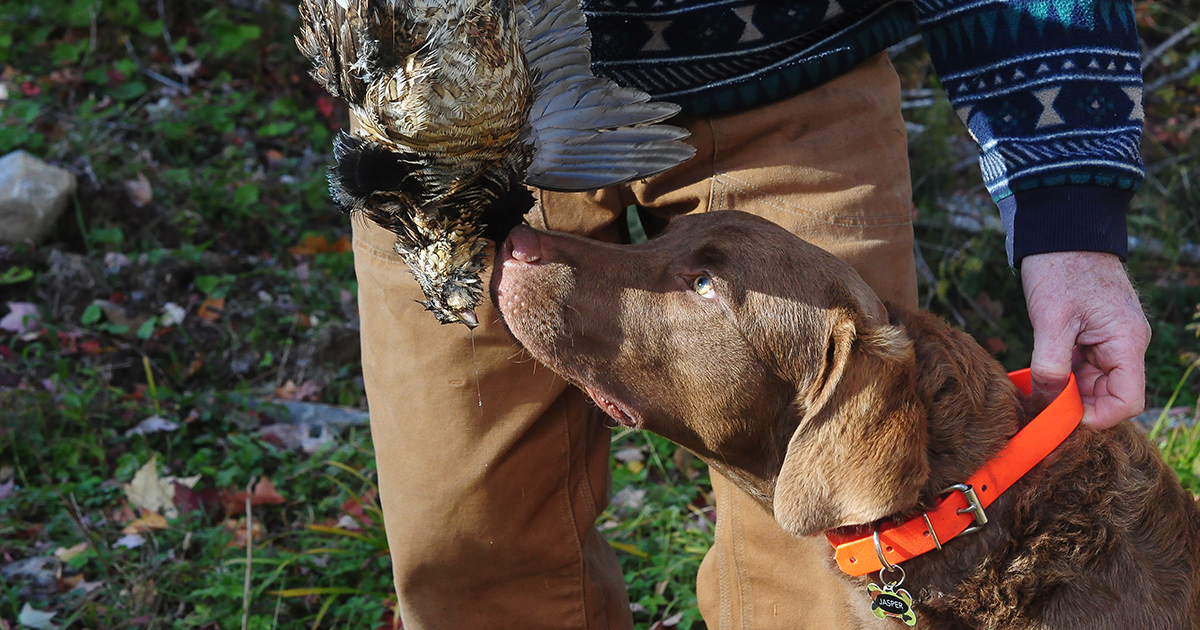
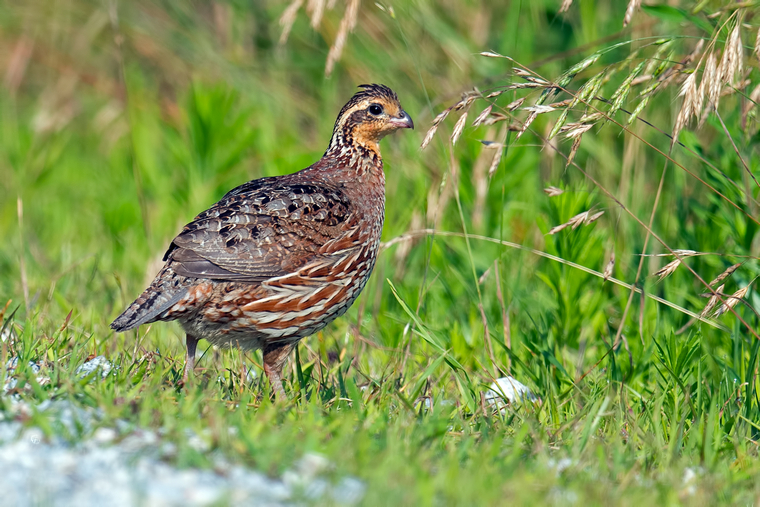
The list of organisms currently imperilled by our cuddly companions range from Green sea turtles all the way to (former) game species like the Lower Keys marsh rabbit. In fact, research indicates domestic cats prey on an array of game, including small mammals like rabbits and squirrels, ground nesting birds like quail, and even turkeys and waterfowl.
Although free-roaming pets do contribute substantially to these issues, the biggest offenders are feral cats, which are far more common than you might think. These wild populations exist in virtually every city, town, and rural community in our country.
The most common mitigation approach is known as trap, neuter, release, or TNR, which essentially aims to stagnate a population by doing exactly what the name says. TNR programs are, by and large, well funded and well manned, but lack in effectiveness. In fact, despite claims to the contrary by organizations that lead these programs, TNR is almost universally considered ineffective by wildlife management experts.
Studies have repeatedly shown that, although some places do experience declines in stray populations following TNR implementation, this success is usually attributable to high adoption and euthanasia rates practiced alongside the approach.
Alternatives, however, leave much to be desired. Approaching the cat problem the same way we do any other invasive species would mean more drastic measures, namely large-scale euthanasia, an unsurprisingly unpopular idea.
Research on chemical contraceptives, on the other hand, does show promise, but would still mean leaving the offending critters to wreak ecological havoc until the end of their lives. Finally, adoption is an extremely effective option when it can be used, but most adult strays are simply too wild to be brought home.
It’s not easy stuff. Thankfully, things are much simpler when it comes to our companion cats; just don’t let them outside. Or at least, don’t let them wander around unsupervised. Not only is this a massive conservation faux-pas, it’s increasingly illegal. More and more municipalities are making it unlawful to allow a cat beyond private property without a leash. That doesn’t help wildlife that finds its way onto your property, mind you, but it’s something.
Don’t be afraid to talk about the issue. We owe it to Ontario’s legacy of conservation to take this and other tough problems seriously. Cats can be many things, from faithful companions to indispensable farming aids, but they are also a serious threat to wildlife. With growing biodiversity pressures, the future of conservation work must include addressing this issue head on. After all, when the cat’s away, the mice (and birds, rabbits, etc.) will play.
Originally published in the Nov.-Dec. 2024 issue of Ontario OUT of DOORS