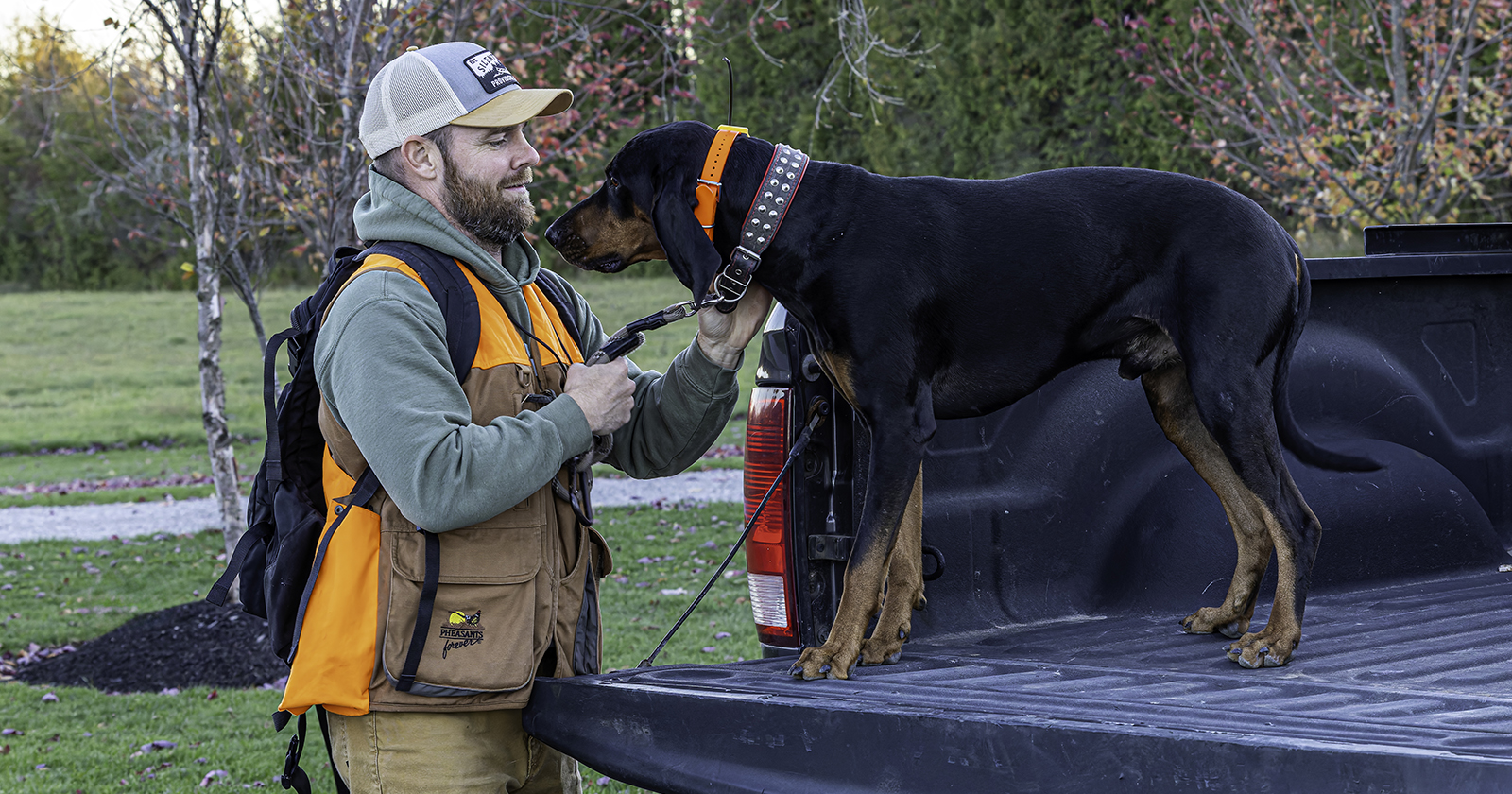
Properly used, collars support good training Collars are often overlooked as training equipment, which is a mistake. A good collar, made to handle the rigours of an active dog’s life, is your physical handle on your dog and there is a wide variety of styles and materials to choose from. What follows is a run-down of some of the most popular collars in the marketplace, along with their advantages and disadvantages as an essential, albeit basic, piece of canine equipment. If the collar fits. If the collar fits The standard collar is only as good as its fit. I can’t tell you how many dogs I see with poorly fitting collars. This situation not only means they can often slip through it, but it could also be a hazard. When a collar sits directly on a dog’s larynx it causes pressure in that area that can make breathing difficult and can even injure your dog. Instead, a collar should sit high up on the dog’s neck, closer to its ears than shoulders. It should also fit snuggly; two fingers under the collar is sufficient and desirable for it to be safe and effective. Standard collar Leather: For the traditionalist, a leather collar is a time-tested classic. It requires little care and generally comes with a sturdy buckle fastener that, while somewhat heavy, is strong and dependable. The drawback is that wet leather can take a while to dry. Nylon: Lightweight and strong, nylon collars come in many colours, are adjustable, and easy to care for. But don’t skimp. Cheap varieties tend to have weak or ill-fitting plastic snap clasps that don’t stand up to a strong dog’s occasional tendencies to pull. Rubberized synthetics: A good compromise between leather and nylon is the more modern rubberized vinyl collar. Pliable and strong, most use a buckle fastener and offer strong D-rings for attaching the leash. The big advantage of these collars is that they dry almost immediately, preventing a damp soggy collar that can encourages bacterial growth. Training collars With terms like “shock” and “choke” is it any wonder many people see training collars as torture devices? Misuse and ignorance of proper training methods have led to rampant social media campaigns and even failed attempts at legislation aimed at banning many devices. However, there is a grain of truth in those otherwise incorrect assumptions: training collars can do harm if used improperly.