Being strategic with your casting angle means more fish. Nothing’s foolproof in angling, but concentrating on casting angles is a great way to enhance a presentation and get more bites.
A casting angle simply refers to the path of the fishing line between the rod and the lure’s target.
It also describes where the line lies in relation to structure or cover. In either case, the casting angle affects where a bait swims during the retrieve. The more strategic and accurate an angler can make their casts to get a presentation best positioned within the feeding zone, the more fish they can catch. Here are some examples of this concept.
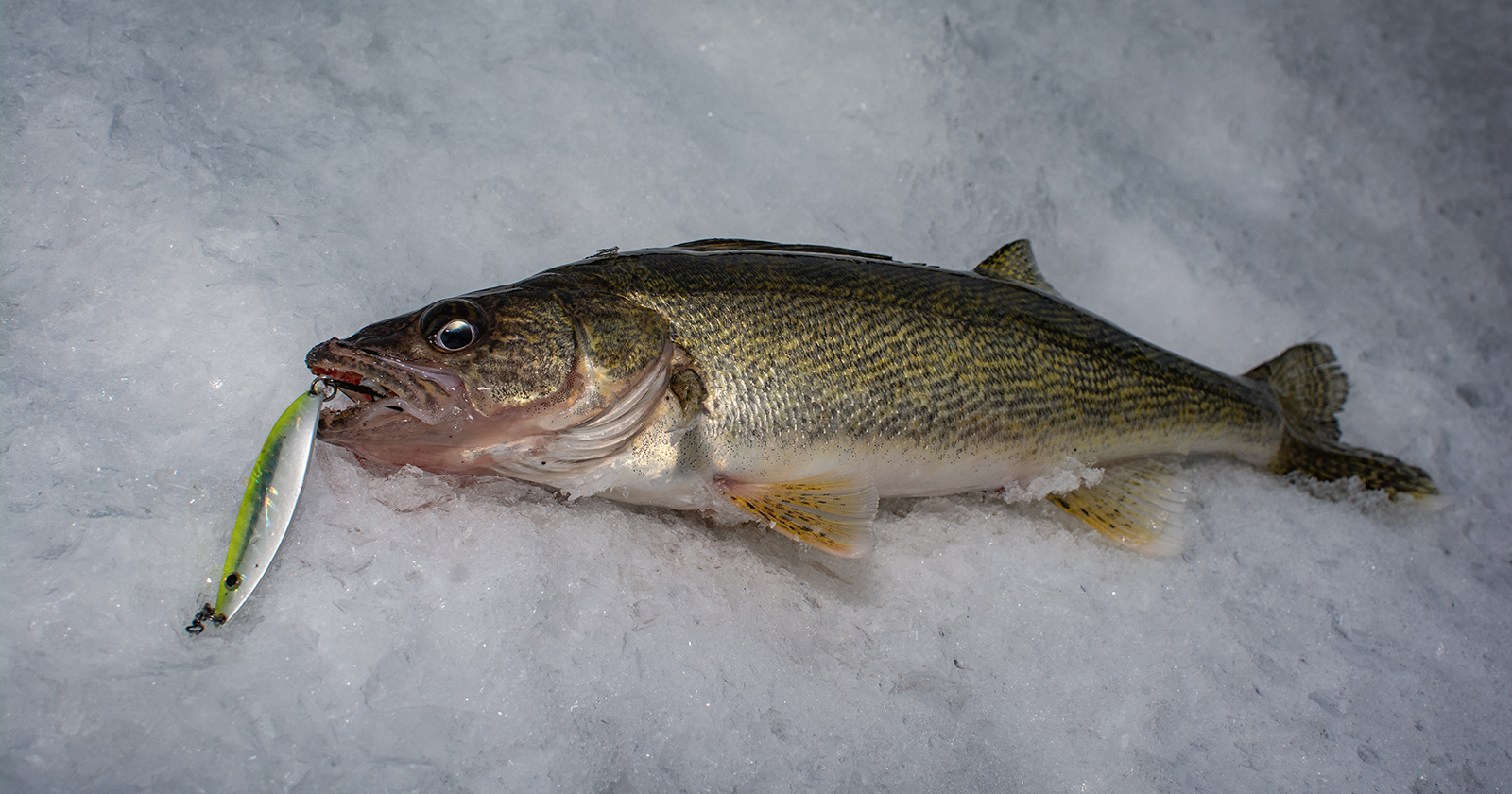
Walleye, smallmouth, pike, and many other species love being near edges, like a weedline, drop-off, rock-sand bottom transition, shadow under a dock, and current seam. Precise casting angles are king when fishing edges. Five or 10 feet too far past a distinct edge can be the difference between getting a few to no bites and catching a lot of fish.
I’ve experienced this casting from shore, wading a stream, in a kayak, and on the deck of a bass boat.

Flowing water brings another variable to casting. A basic formula for rivers is casting up current and then using flow to your advantage to manoeuvre the presentation where you want it.
For example, casting perpendicular or at a 45-degree angle to the current, an angler may need to make multiple casts at different distances in order to dissect a specific edge or fish-holding spot.
“Let the fish tell you what they want,” is a common angling phrase, and for good reason. A biting fish reinforces you’re doing a lot of things right.
At times, the best casting angle is as simple as replicating the previous one that got you a bite. Related to this, it’s important to remember fish can become particular about bait movement. This is why it’s good practice to make casts from different directions to change the way a lure moves across a piece of structure or past a piece of cover.
It may seem like a small detail, but this can make a big impact in how many bites you get.
For instance, I have had several experiences when I caught lots of pike casting a swimbait into deep water and then retrieving it up a drop-off. This going-against-gravity presentation can outproduce the opposite, common approach of working a jig down the slope.
For experienced anglers, these casting angle tips may be intuitive, second nature, and automatic.
Experienced anglers know better than to randomly flog water. Put a bit of thought into how your bait is affected by current and structure. It will improve your fishing overall.
Regardless of skill level, though, considering where you’re casting, how it impacts the route a bait travels through fish habitat, and making casts to efficiently cover water is a good strategy.
When I’m stuck in a slump on the water, getting laser-focused on casting angles is one of the best ways I’ve found to turn around the situation. Try it, if you get stuck in a rut this fishing season.
Originally published in Ontario OUT of DOORS' Fishing Annual 2024
Click here for more outdoors news
Watch on-demand videos anytime on OFAH Stream