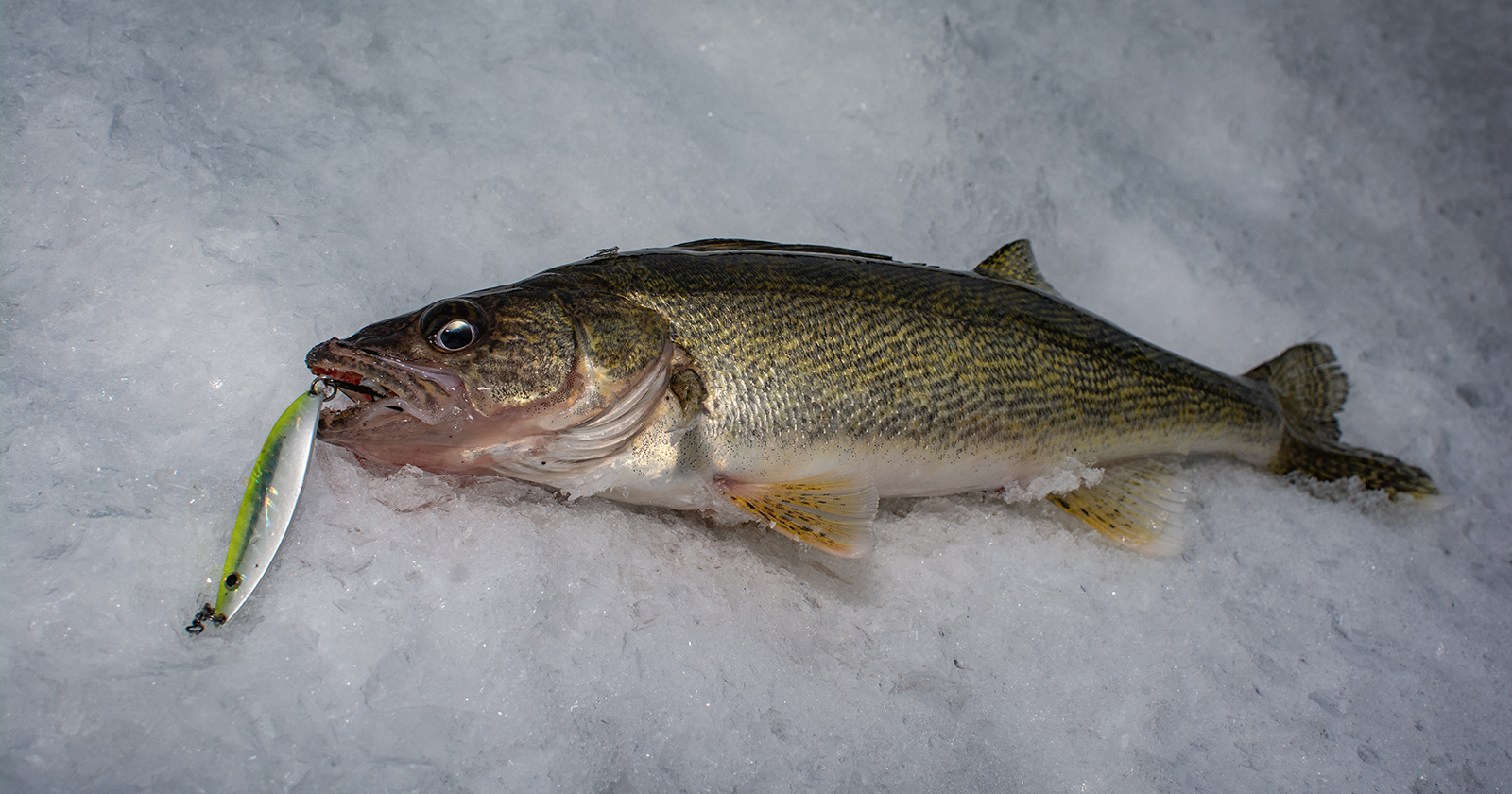
Over the last 25 or so years, I have had the privilege of helping introduce scores of people to the sport of fly fishing. Those people came from all walks of life and varied in ages from young to old. Everyone brought an eagerness to learn about fly fishing, but some also arrived with preconceived notions that led them to believe the sport was more complicated or daunting than it actually is. Here are the myths I have heard repeatedly over the years and the truth regarding them. Myth: You can only fly fish flowing waters Sure, classic fly-fishing photos show anglers wading in beautiful creeks and rivers. But that doesn’t mean that fly anglers ignore still waters. Fly fishing in lakes, ponds, and oceans, whether from a watercraft, off the dock, or from shore, is a practice that is gaining popularity as fly anglers diversify their interests and look for new angling challenges. Basically, if a water body holds fish, it’s fair game. Myth: You need to be able to cast long New fly anglers often think that they won’t catch many fish because they can’t cast far — and this can be discouraging. The truth is, delicacy, in the way you lay your fly line on the water, is far more important than distance. Thrash the water with a fly line and you’ll spook fish no matter how far you can cast. As far as distance is concerned, if you can lay out 30 feet of fly line delicately — which is easily attainable after a bit of instruction and practice — you will catch fish. That’s because, in most cases, you can easily wade or get a boat within 30 feet of fish. You’ll have a better hook-set, and a greater chance of landing a fish on a shorter cast too. That’s not to say you shouldn’t learn to extend your casting range — longer casts provide more angling options. Just don’t think you need to do so right away. Myth: We only fly fish for trout Newbies are often surprised to learn that trout aren’t the only species fly anglers target. We throw flies at everything from panfish, bass, and carp, to walleye, pike, muskie, and saltwater fish. If it swims, there are probably flies, techniques, and gear expressly made for it. In fact, I believe one of the best ways to get into fly fishing