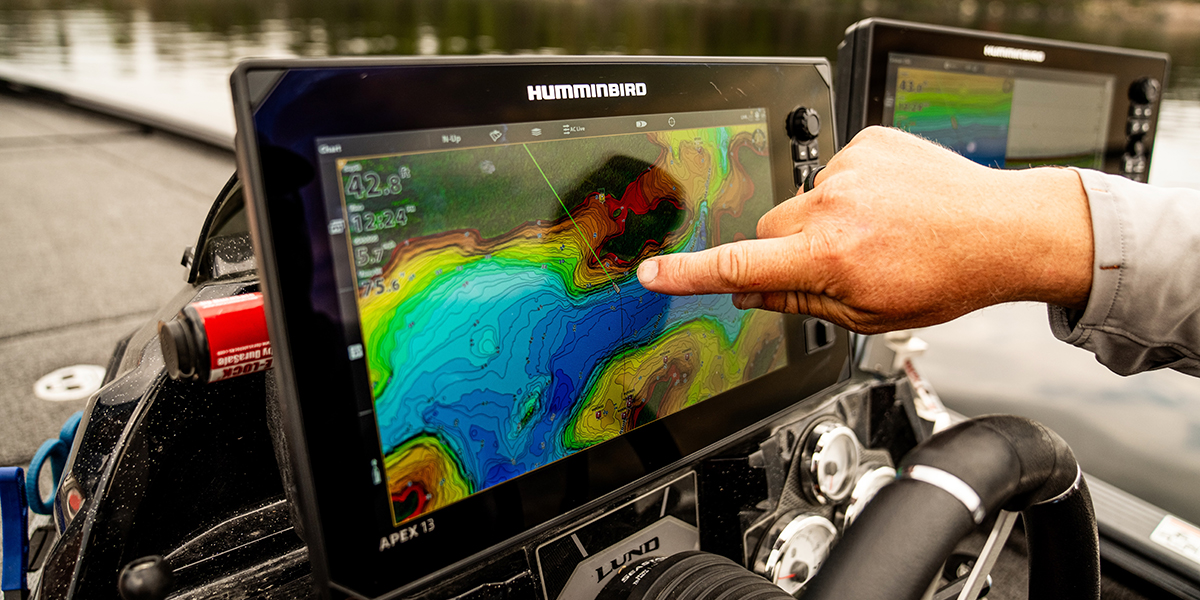
Last winter, I was having trouble tempting walleye in one of my favourite lakes. It was a sunny February morning and, with reasonably pleasant temperatures, I thought I’d go for a stroll with my Thermos of coffee to socialize with a couple of anglers nearby. They were set up on the same weedline, and I’d been watching them since daybreak. I told them I hoped they were doing better than me. “We haven’t had much action for a couple of hours,” one of the young men said. “Tell you what, though, for a cup of coffee I will show you something interesting.” He walked to a nearby snowbank and kicked out four decent walleye they’d caught an hour before sunrise. For the next couple of trips to the lake, I set my alarm much earlier and caught most of my fish before sunrise. I didn’t see the young anglers out there again, but I carried a Thermos of coffee every day, in case I did. Over the years, I’ve met many anglers on the ice. Some are rookies, others have a few years of experience, and then there are veterans who spend most of each winter chasing walleye. What sets the latter, consistently successful group apart from the rest is not necessarily age or experience, but a willingness to experiment. Within the last few years, different strategies have evolved that produce walleye even during challenging conditions. Here are 10 tricks to add to your repertoire that will make you a better winter angler. 1. Scouting for success The simple act of pre-season scouting can be worthwhile when it relates to first-ice success for walleye. A GPS unit can be used for storing waypoints for shoals, mid-lake humps, and other structure. If your lake has major weedlines, scouting in late fall is a must. Steve Delyea, a veteran angler from Port Perry, attributes much of his success to scouting lakes in November. “Look for the last remnants of green weedlines, then GPS the outside edges and points,” Delyea advised. “Also, locate any major holes or troughs inside the weedline. This is where the walleye will be at the start of the ice fishing season.” 2. The trap line When I guided ice anglers in the Muskokas and Haliburton during the late 1980s and early 1990s, my line placement system was nicknamed “The Trap.” I discovered it through trial and error, augering