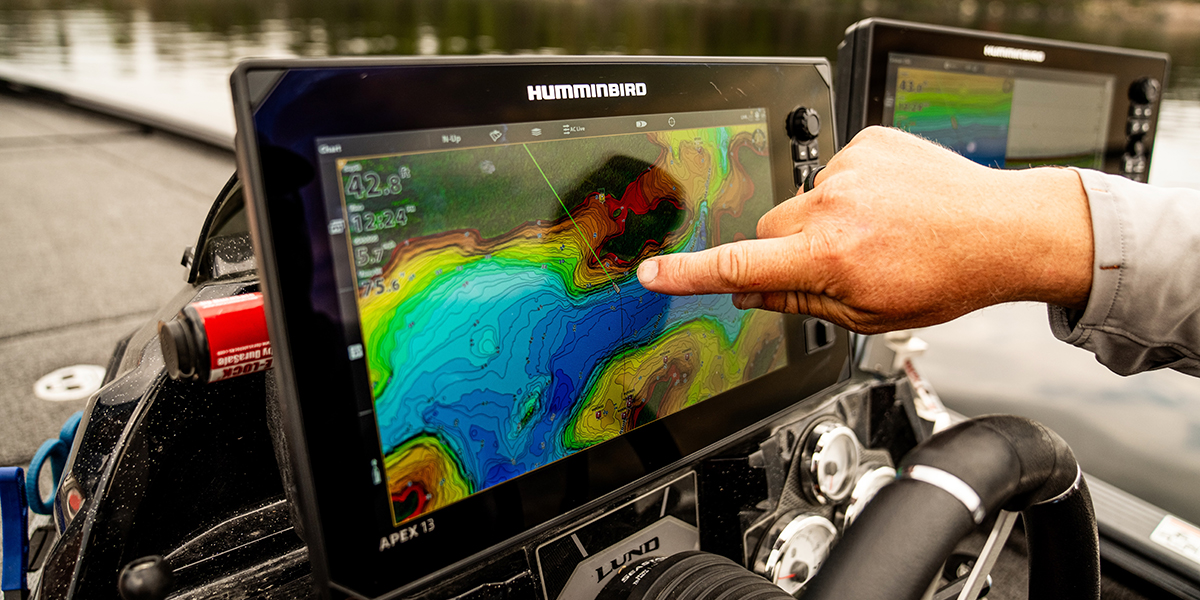
There’s much to consider when hitting the hard water on any given day. Phase of winter, target species behaviour, lake type, habitat areas, and lure choice are some of the things that may occupy an angler’s thoughts when searching for the next bite. This said, there’s a case to be made for not overcomplicating things. For those wanting to keep things simple this winter, here are tried-and-true strategies sure to boost your success. Best bite “From my experience the best bites for anything I fish for are dawn and dusk,” said Mike Miller, host of Angler & Hunter TV. “So, getting my gear out on the ice and set up an hour before sunrise, or an hour before sunset, has me ready to fish during the prime bite window.” No bites? Move on Although there’s a time and place for camping out on a spot, moving to find active fish is often a more reliable approach. Examples of moves can range from a small readjustment to exploring a different section of a piece of structure to a large move involving relocating to another area of the lake. Edges are awesome One of the most consistent trends in ice (and open water) fishing is for anglers who find productive edges within habitat to catch more and bigger fish. Weedlines, rock-mud bottom transitions, depressions holding debris on flats, drop-off ledges, and a saddle connecting two offshore humps are examples of edge-centric areas likely to hold a variety of fish species. Get out of the wind On gusty days carving out respite from the wind is key for jigging properly and detecting bites. This is one major advantage offered by an ice shelter, especially when the skirt is banked in with snow. When jigging outside, try and create a windbreak with your body. Keep the rod tip low to the ice to limit how much line gets exposed to wind. For set lines, a thermal tip-up is handy. Its design covers the hole, preventing snow from falling in and delays ice build-up. Catch more from egg whites Ice-fishing expert Brian Brosdahl catches many fish from flats around hard structure. Visualize an egg. A rock reef topping out at 16 feet is the yolk, and the egg white is the surrounding slow-tapering flat in 20 to 23 feet. Not only do these peripheral areas hold perch, walleye, and other fish, they’re often overlooked. “I