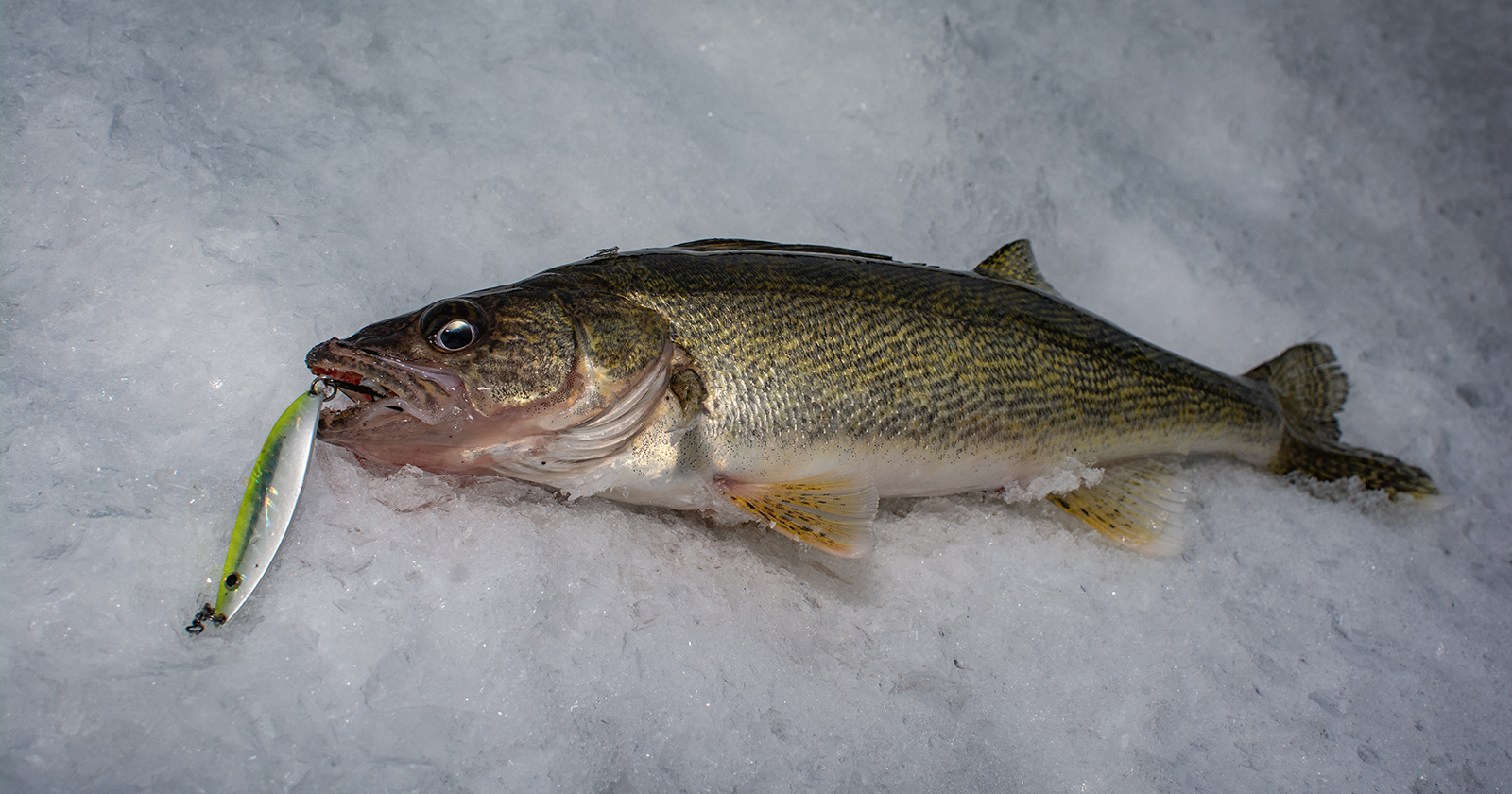
Having raised her twice on previous visits to the deep, crisp weeds under my boat, I was determined to succeed on the third attempt. Well north of 40 inches and built like a roof truss, this pike was big, and she wasn’t dumb. A tandem spinnerbait had her moving the day before, and earlier this mid-June morning a slow-zagging surface bait brought her to within five feet of my flip-flops. Playtime was over. Easing along the deep side of the jumbled, blooming mass of coontail and cabbage weeds in 14 feet of water, my plan was simple: sharply lift the rod, rip off any clinging weeds, and let my presentation smash into the lake’s bottom. Short cast. Strike bottom. Rip up. Repeat. On my third cast, my sinking lure just disappeared. Rearing back and reeling, I felt the hook dig in and the powerful slashing fight was on. Catching big pike from Ontario waters on the cast is always special, and this time was no different. Whether you bomb cast or drift, jigs get down, stay down, and are easy for pike to find and hit. Heavy weights from 3⁄4 to 7 ounces can be used to cover water quickly. The more weight you use, the faster you can move along and the more spots you can cover. Being well rounded and equipped to root pike out from a range of habitats all season is a major key to success. Jigs fill a critical hole in many an angler’s arsenal, especially when warming summer water pushes the bigger fish into deeper zones. A jig is far more than simply a lead head with some kind of trailer, like you’d use for walleye. Ontario pike anglers have many exciting and effective jig options at their disposal. No matter where you’re fishing or what the pike are responding to, there’s likely a jig that will work for you. Why a jig? Working jigs for pike automatically puts you at an advantage, because you’re able to fish at a depth and pace most other anglers can’t. The attractive move-sink-stop rhythm of a jig is magical to pike, in any mood. And having the ability to lay your presentation on bottom after running a series of triggering movements gives pike ample time to eat it. Moreover, you can select jigs to bump, tickle, and crawl their way over and through cover and structure far better