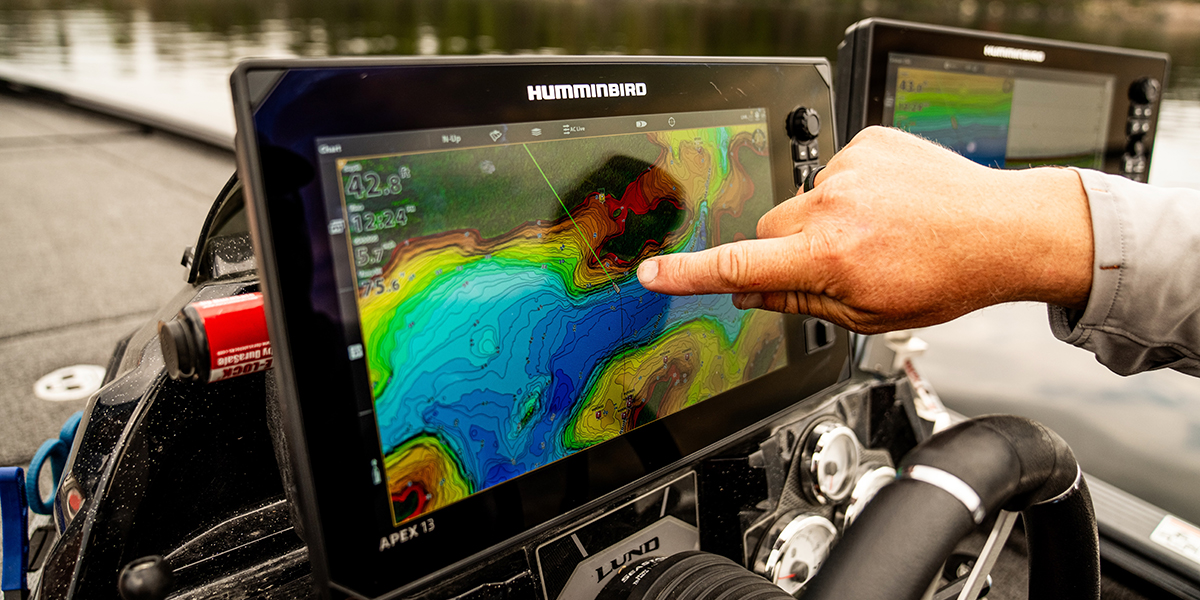
There is no more polarizing topic in fishing today than forward-facing sonar (FFS). Over the past few years, this rapidly evolving technology has exploded in popularity among anglers targeting nearly every major sport fish species. FFS provides a live, detailed picture not just of what’s beneath your boat, but also what lies ahead. It reveals fish, bait, water depth, structure, and even allows you to watch your lure throughout an entire cast. It’s been a game-changer for many. There’s no denying that FFS is fun to use. Watching fish respond to your presentation in real time — some rushing in to bite, others cautiously inspecting and turning away — is exhilarating and educational, helping anglers better understand how fish behave and what triggers a strike. In particular, FFS allows anglers to target suspended fish throughout the water column with pinpoint accuracy — something that was once left largely to luck. The dark side But as with any major advancement, there’s a darker side. Concerns are growing that this technology enables us to catch too many fish, especially in areas where fish were once relatively safe — like open-water zones where they suspend out of reach. FFS is also costly, putting it out of reach for many anglers and potentially creating a technology gap in the fishing community. In my own tournament experience, I’ve seen a dramatic shift at the top levels of competitive fishing. Young anglers — many fresh out of college — are dominating events. They’ve grown up with FFS and have become incredibly skilled with it, often outpacing veteran anglers with decades of experience. It’s been eye-opening. Personally, I’ve found it challenging to fully commit to using FFS all the time. In some events, looking away from the screen even for a moment can be a costly mistake. Still, I struggle to let go of traditional techniques like topwater fishing, spinnerbaits, or flipping — methods that have served me well over the years. The controversy around FFS has been amplified by social media, and in some cases, the concerns are valid. Are we now able to harvest too many fish? Crappies, for example, are especially vulnerable in Ontario during the fall and winter when they school tightly in specific areas, making them easy to overharvest. In Minnesota, anglers have raised alarms about muskie populations. With FFS, anglers can now target suspended muskies recovering near the surface after spawning