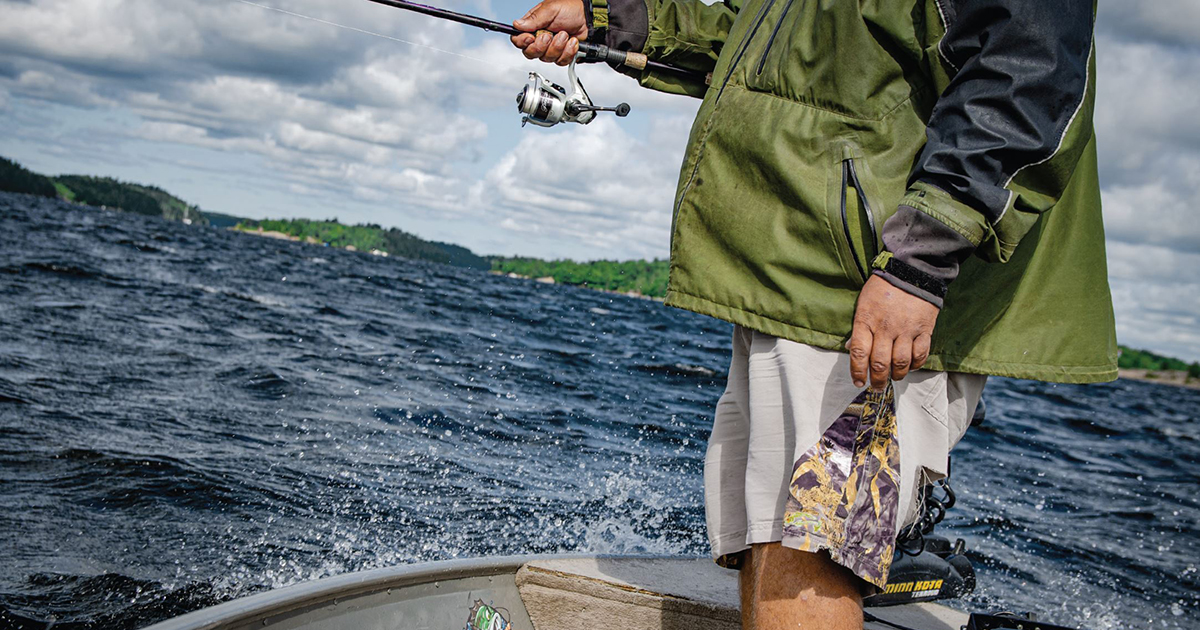
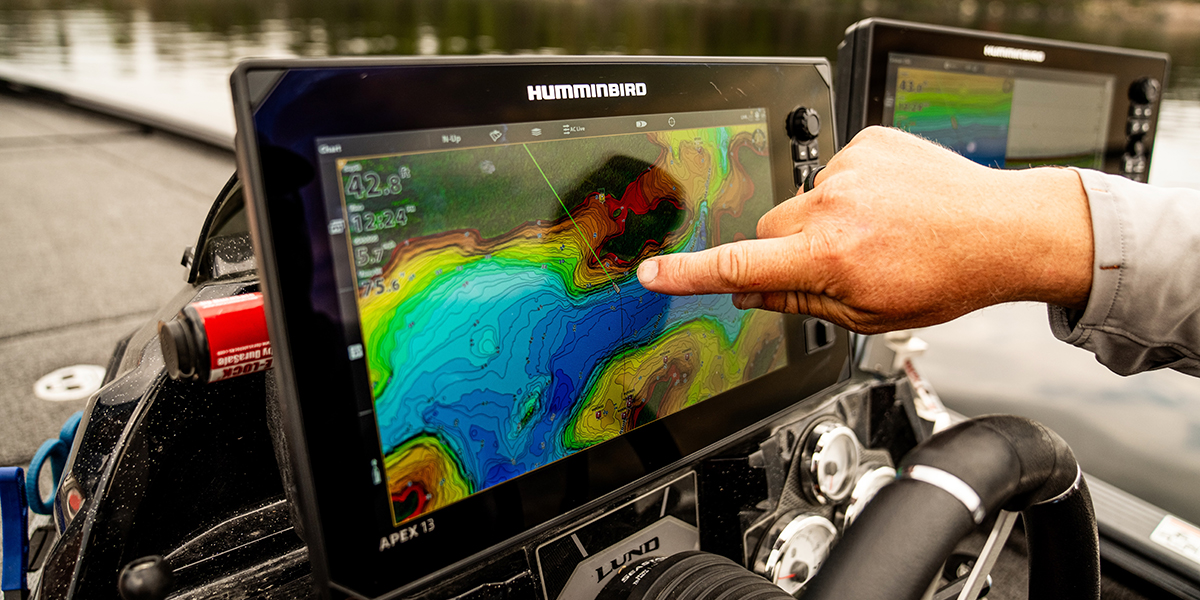
Twelve-pound test fluorocarbon line transmits the tick of the half-ounce bladebait touching the rocky bottom. A quick upward rip of the rod causes the metal minnow to jump and kick out intense vibrations. I lower the bait on controlled slack until it’s a few inches off bottom, pause, then give life to the lure again with a second aggressive snap. The bait is stopped prematurely on the drop by a solid crack. I strike back with a skyward hook set and feel the pounding of a walleye’s hefty headshakes. The battle is short. As I guide the fish into the landing net, only half of the bladebait is visible. Pliers make removing the treble hooks an easy task and, after a few photos, I promptly return the vertically jigged fish back to the cold October water. Autumn is a bittersweet fishing season. Compared with fairly stable summer patterns, early fall is a period of transition. Many fish, including walleye, move from summer haunts to deeper winter holding areas, and patterning them during travel can be challenging. The fall turnover is another hurdle anglers face on many lakes. This tumultuous event shuts down fish more surely than a coldfront and angling is tough until the system stabilizes. The good news is, by mid- to late fall you can find walleye in high concentrations in predictable areas. Locate these fish and you will likely experience steady action, as they feed heartily to bulk up for winter. Trolling has its place then, but the focus here is on the benefits of vertical jigging. Vertical virtues One fundamental advantage of vertical jigging is that it’s a precise presentation. With proper boat control, you can dissect specific structures to pluck out walleye when they bunch up in fall. Dangling a bait in front of their noses can coax inactive walleye to bite. In some instances, jigging is best because of space constraints. Spots on small rivers, fast-moving current areas, zones with quickly varying depths, or crowded community holes are just a few examples of where jigging is more practical than trolling. When conditions permit, I prefer jigging over pulling baits for walleye. It’s a rush to feel the powerful strike from a big fish transmitted through your rod. A word of caution, though. Don’t gamble with success and jig exclusively. You’ve got to know when to troll for walleye, too. For example, if you don’t