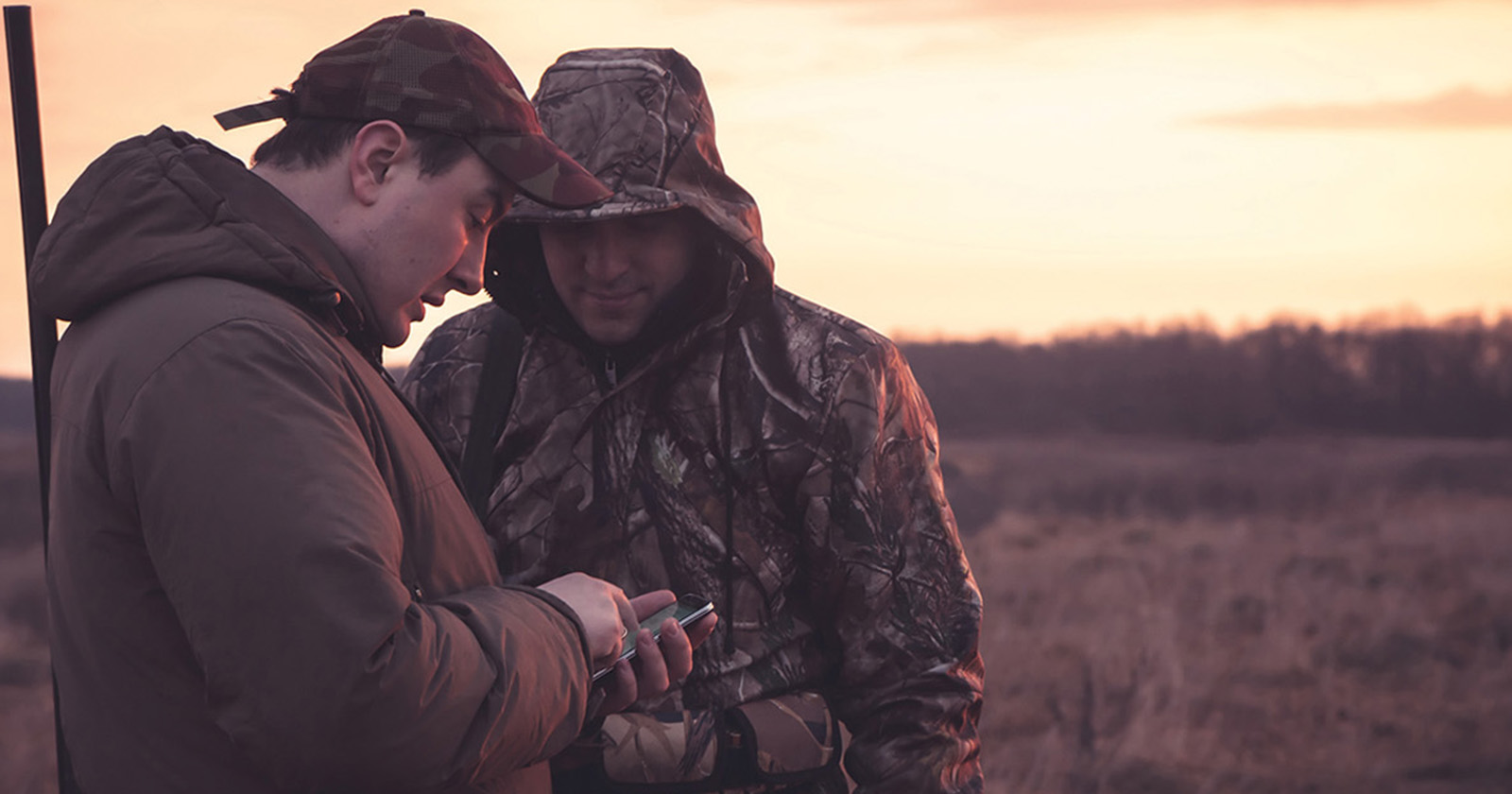
Cracking in the bush behind me caught my attention. It didn’t come from where I expected, or wanted, a bear to approach. Visibility was poor, and the wind not in my favour. I had set up to call near the edge of a field with a great vantage of the likely approach, expecting bears to arrive via a parcel of timber or the standing corn. This bear, however, decided to be different and slipped in from a low-probability sliver of bush behind me. I stopped calling, shifted my body for a better view, and heard a serious commotion at 30 yards. As branches smashed and my heart rate skyrocketed, I realized I was made as the bear burst out of the bush and into the corn. Calling is a different approach for bear hunters looking to try something new. As effective as hunting bears over an established bait is, I’ve lately found myself searching for alternative methods. I’ve found a few highly productive strategies that are more intense. I love the spot-and-stalk method of hunting bears in blueberry patches in September or fresh greens in spring. My latest interest, however, is using predator calls to target black bears. While it has its challenges, it can be highly productive and offer heart-pounding action. Here’s more about what I’ve learned so far. Head for the crops Bears survive largely on a vegetarian diet, but are omnivores. These creatures are efficient and opportunistic predators which target moose calves and deer fawns in the spring. Hearing the wail of a wounded, helpless animal can bring them running. It doesn’t always work, but when it does, look out. I have put this method into practice in a few scenarios. It definitely works best when bears are concentrated, and nothing draws in bears like a farmer’s field loaded with standing corn, or a thriving blueberry crop. Bears wreak havoc on cornfields, spending weeks feasting. Years ago, I set up in a freshly harvested cornfield that had been trashed by bears. Though it was now harvested, there was plenty of silage on the ground, and odds were there were still plenty of bears around. I stopped on the edge of the field, with an open, steep bank to my right leading down to a small river. With little cover behind me, it was a spot they weren’t likely to approach from beside or behind, and the most